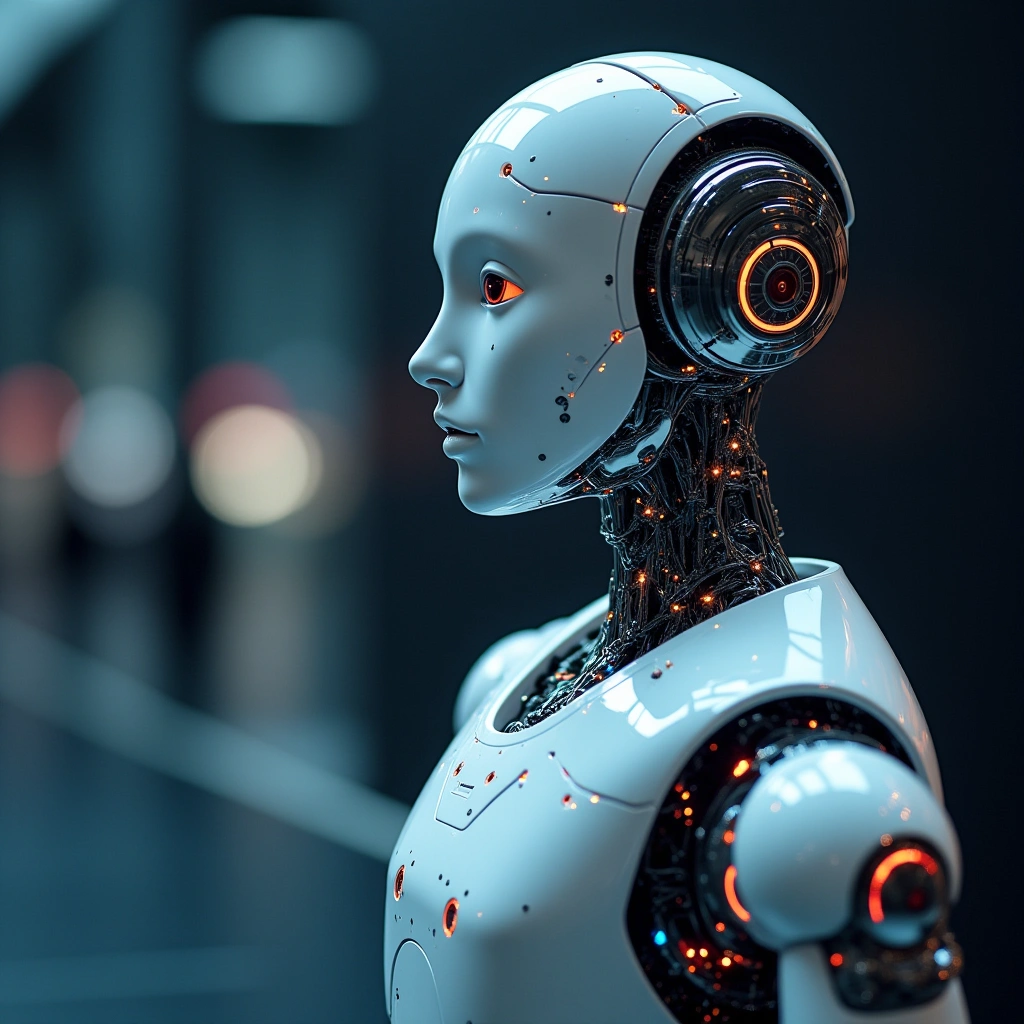
Let’s talk about something that’s been buzzing around like a caffeinated bee: the possibility of the U.S. losing the AI race to China. Now, if you’re like most Americans, you might be thinking, “Why should I care? I can barely keep up with my smartphone, let alone artificial intelligence!” But hold your horses; this isn’t just about who can make the smartest robot. It’s about the future of technology, economy, and maybe even world domination (cue ominous music).
“We’ve gotten so used to the fact that the US has been the leading player in technological revolutions from like mobile internet to the internet era, so it’s worrying to feel we may no longer have that dominant strength,” said Selina Xu, China and AI policy lead in the office of former Google CEO Eric Schmidt. Even if there’s some consensus that AI competition is a priority, there’s less agreement on how to go about it.
First off, what’s the deal with the AI race? Simply put, it’s a competition between countries to develop the most advanced artificial intelligence systems. Think of it as a high-stakes game of chess, but instead of pawns and queens, we’re talking about algorithms and machine learning. And right now, China is making some serious moves on the board. They’re investing heavily in AI research, attracting top talent, and, let’s be honest, they seem to be churning out innovations faster than I can finish my morning coffee.
So, should Americans care? Absolutely! Here are a few reasons why:
1. Economic Implications: AI has the potential to revolutionize industries. If the U.S. falls behind, we could see job losses, reduced innovation, and a shrinking economy. Nobody wants to be the last kid picked for the dodgeball team, especially when that team is made up of countries with booming tech sectors.
2. National Security: It’s not just about making our lives easier. AI has serious implications for national security. From cybersecurity to military advancements, the country that leads in AI will have a significant edge. Imagine if the U.S. military is still relying on dial-up internet while China is deploying AI-enhanced drones. Not exactly a fair fight.
3. Global Influence: The country that dominates AI will likely set the standards for how it’s used globally. If China takes the lead, they might impose their values and regulations on the rest of the world. And let’s face it, do we really want to live in a world where the only acceptable AI is the one that tells you to eat rice and practice calligraphy?
Now, before you start panicking and contemplating a move to the mountains, let’s take a breath. The U.S. still has a lot going for it. We have some of the best universities, top tech companies, and a culture of innovation that’s hard to beat. But we need to step up our game. This isn’t the time to rest on our laurels and binge-watch another season of that show you keep telling your friends about.
What can we do? For starters, we need more investment in AI research and development. This means funding for universities, incentives for companies, and perhaps a national AI strategy that isn’t just a PowerPoint presentation gathering dust in a government office. We also need to focus on education—getting our future generations excited about science, technology, engineering, and math (STEM). Because let’s be honest, if we want to compete, we need more than just a few coding boot camps.
In conclusion, the U.S. might be facing a serious challenge in the AI race, and yes, we should care. It’s not just about who can build the best chatbot or self-driving car; it’s about our economy, security, and influence on the world stage. So, let’s roll up our sleeves, take a deep breath, and get to work. Because if we don’t, we might just find ourselves in a future where our biggest tech rivalry is with a country that’s not only making the best dumplings but also the best AI. And nobody wants to live in a world where we’re always second best, especially when it comes to our favorite takeout.
Inspired by: “The US might lose the AI race to China. Should Americans care?” (r/technology)