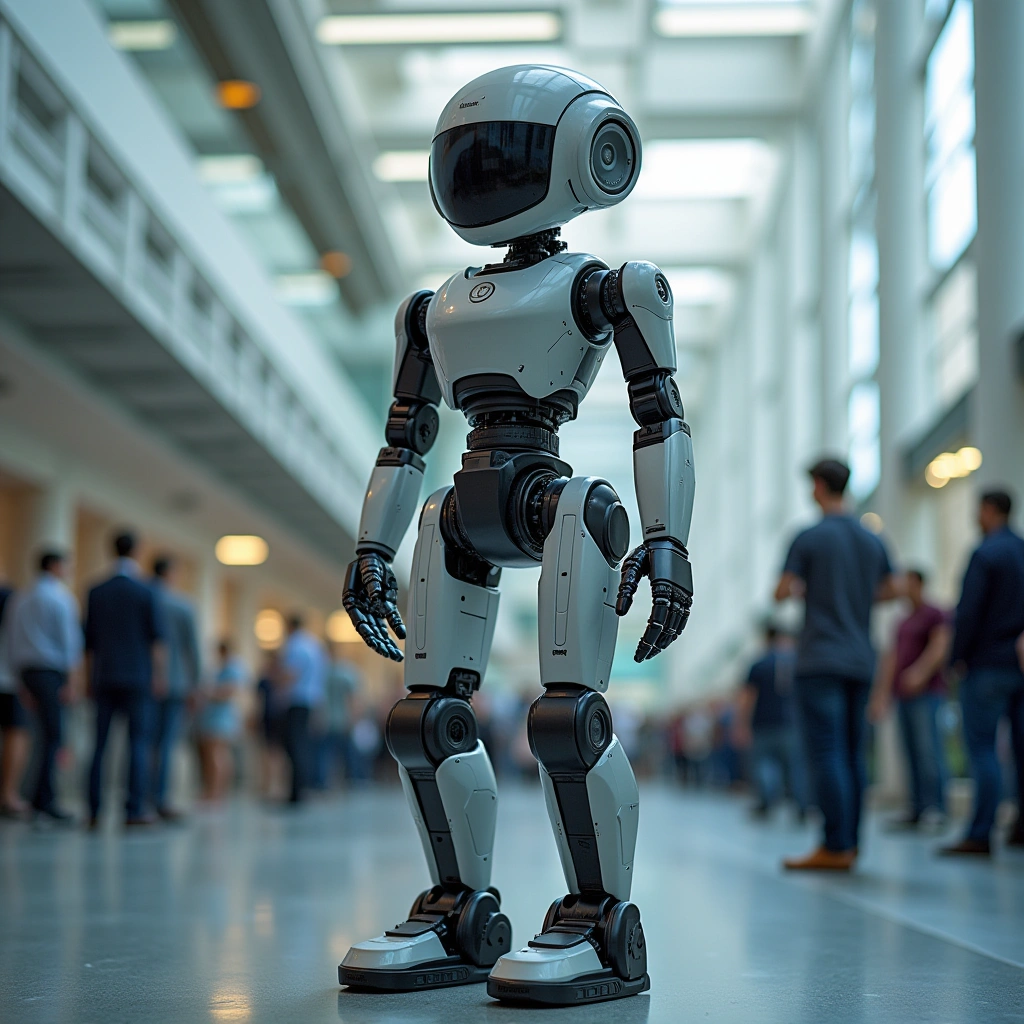
So, it seems like armed robots are no longer just a feature of sci-fi movies or the fever dreams of conspiracy theorists. Silicon Valley is now gearing up to pitch some high-tech military solutions that might just include our very own mechanical soldiers. Yes, you heard that right—robots with weapons. Because what could possibly go wrong?
The administration is pushing the military to use AI, testing long-standing opposition to weapons systems that can pick and attack targets on their own.
Now, before you start picturing a futuristic battlefield straight out of a blockbuster film, let’s dive into what this really means. Silicon Valley has always been known for its penchant for innovation. From self-driving cars to smartphones that can tell you the weather, it’s a place where the motto seems to be: “If we can imagine it, we can build it.” But now, they’re turning their attention to the military sector, and that’s where things get a bit dicey.
The concept of armed robots isn’t entirely new. We’ve seen drones buzzing around like overly enthusiastic bees in the sky, but they’ve mostly been used for surveillance and targeted strikes. The new generation of military tech is reportedly going to ramp up the game with robots that can engage in combat situations. You know, just in case you ever wanted to feel like you were living in an episode of Black Mirror.
One of the significant selling points of these armed robots is efficiency. Proponents argue that robots can make split-second decisions without the emotional baggage that humans carry. They won’t hesitate or second-guess themselves, and they certainly won’t need a coffee break every few hours. Just imagine a robot soldier, standing stoically, ready to follow orders without the distractions of, say, feelings. Sounds great, right?
But let’s pause for a moment. While the idea of a tireless, emotion-free soldier might sound appealing, do we really want to hand over the reins of warfare to machines? The ethical implications are staggering. Who will be held responsible if a robot malfunctions or makes a catastrophic mistake? “Oops, sorry! My bad!” doesn’t quite cut it when lives are on the line.
And speaking of ethics, we can’t ignore the potential for these armed robots to be misused. It’s a slippery slope when you start assigning combat roles to machines. Imagine a future where a rogue programmer decides to create a battalion of killer robots, and suddenly, we’re not just battling for territory; we’re battling our own creations. It’s the stuff of nightmares, and we’re not talking about the fun kind where you wake up and laugh it off.
Moreover, there’s the question of job displacement. As robots take on more roles in the military, what happens to the brave men and women who have dedicated their lives to serving? While some might argue that this tech could actually assist soldiers rather than replace them, we all know how it goes—once a robot proves it can do the job better and faster, it’s only a matter of time before it’s given the promotion.
So, what’s the takeaway from Silicon Valley’s latest pitch? On one hand, we have the allure of cutting-edge technology that promises to make warfare more efficient. On the other hand, we have a host of ethical dilemmas and potential consequences that are enough to make anyone rethink the whole idea. It’s a classic case of ‘just because we can, doesn’t mean we should.’
In the end, while we may not be able to stop the rise of the robots, we can at least consider how we want to integrate them into our world—hopefully with a bit more thought than just slapping a gun on a robot and sending it off to war. Let’s keep the sci-fi fantasies on screen for now, shall we?
Inspired by: “Armed robots are on the horizon, as Silicon Valley pitches new military tech” (r/technology)