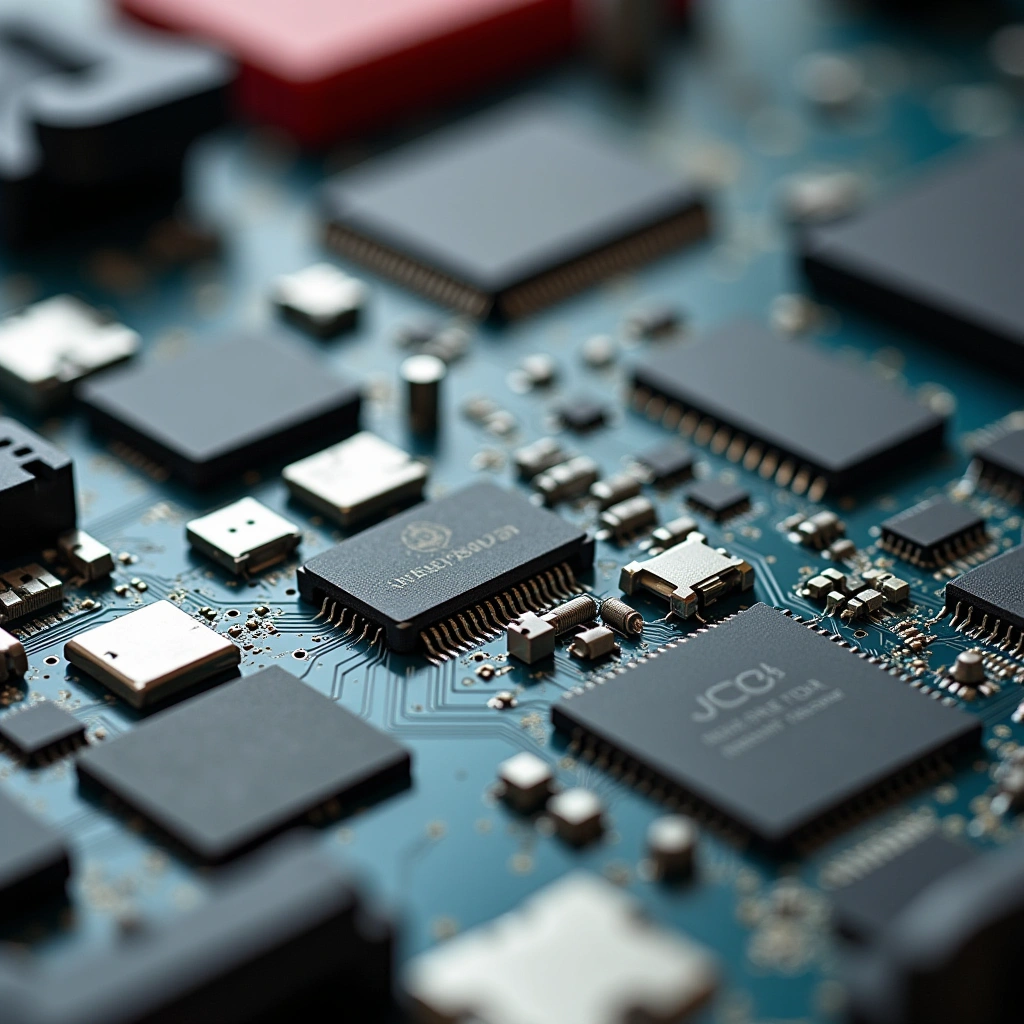
Hey there, tech enthusiasts and accidental gadget owners! Have you ever found yourself staring at a broken device, contemplating whether to toss it in the trash or take a shot at fixing it? Well, if you’re in the EU, the decision just got a lot easier! That’s right, folks! The European Union has rolled out a shiny new law that mandates devices to be repairable — and not just in a ‘good luck with that’ kind of way. We’re talking about making repairs easy and affordable, effective immediately. So, let’s dive into what this means for you, your gadgets, and your wallet.
The EU Right to Repair Directive officially became law across all 27 member states on July 31, 2026, mandating that manufacturers repair covered electronics like smartphones and appliances even after the initial warranty expires. This landmark legislation extends the legal guarantee by 12 months for consumers who choose repair over replacement and prohibits manufacturers from using software or hardware techniques that obstruct independent repairs. By requiring access to spare parts and repair information at a "reasonable price," the law aims to reduce electronic waste and empower consumers to keep their devices functional for longer.
First off, let’s address the elephant in the room: planned obsolescence. You know, that clever little tactic companies use to ensure your devices break down right after the warranty period? It’s like they have a secret club where they all agree to make our lives just a tad more inconvenient. But now, thanks to this new law, manufacturers are being held accountable! No more ‘Oops, sorry, we don’t sell that part anymore’ when your five-month-old phone decides to take an extended vacation.
So, what exactly does this law entail? For starters, it requires manufacturers to design their products with repairability in mind. This means that when something goes wrong with your beloved device, you won’t have to perform a complicated ritual involving witchcraft and a degree in engineering to fix it. Instead, you’ll be able to easily access the parts you need, and they’ll be reasonably priced! Yes, you heard that right — no more spending your life savings on a single screw.
And let’s not forget about the environmental impact of all this. Think about it: millions of tons of e-waste end up in landfills each year, contributing to pollution and climate change. By making devices easier to repair, we’re not just saving our gadgets; we’re saving the planet. It’s like being a superhero, but instead of a cape, you’re armed with a screwdriver and a YouTube tutorial.
Now, before you get too excited and start planning your DIY repair party, let’s talk about the potential challenges. Some manufacturers might not take too kindly to this law. After all, they’ve been making a pretty penny off our broken devices for years. There’s a chance they could try to skirt around the rules, but the EU has a robust enforcement mechanism. Think of it as the tech version of a parent with a strict bedtime policy. They may not enjoy it, but they’ll have to comply.
In conclusion, the EU’s new Right to Repair law is a step in the right direction for both consumers and the environment. It empowers us to take control of our gadgets, rather than being at the mercy of companies that would rather sell us a new device than provide a simple fix. So, the next time your phone screen cracks or your laptop starts acting up, remember: you have the right to repair, and it’s about time we start exercising that right! Now, if only they could pass a law requiring coffee makers to be as resilient as our will to fix things, we’d really be in business.
Inspired by: “Right to Repair: New EU Law Mandates Devices to Be Repairable (Easily and at a Reasonable Price), E…” (r/technology)