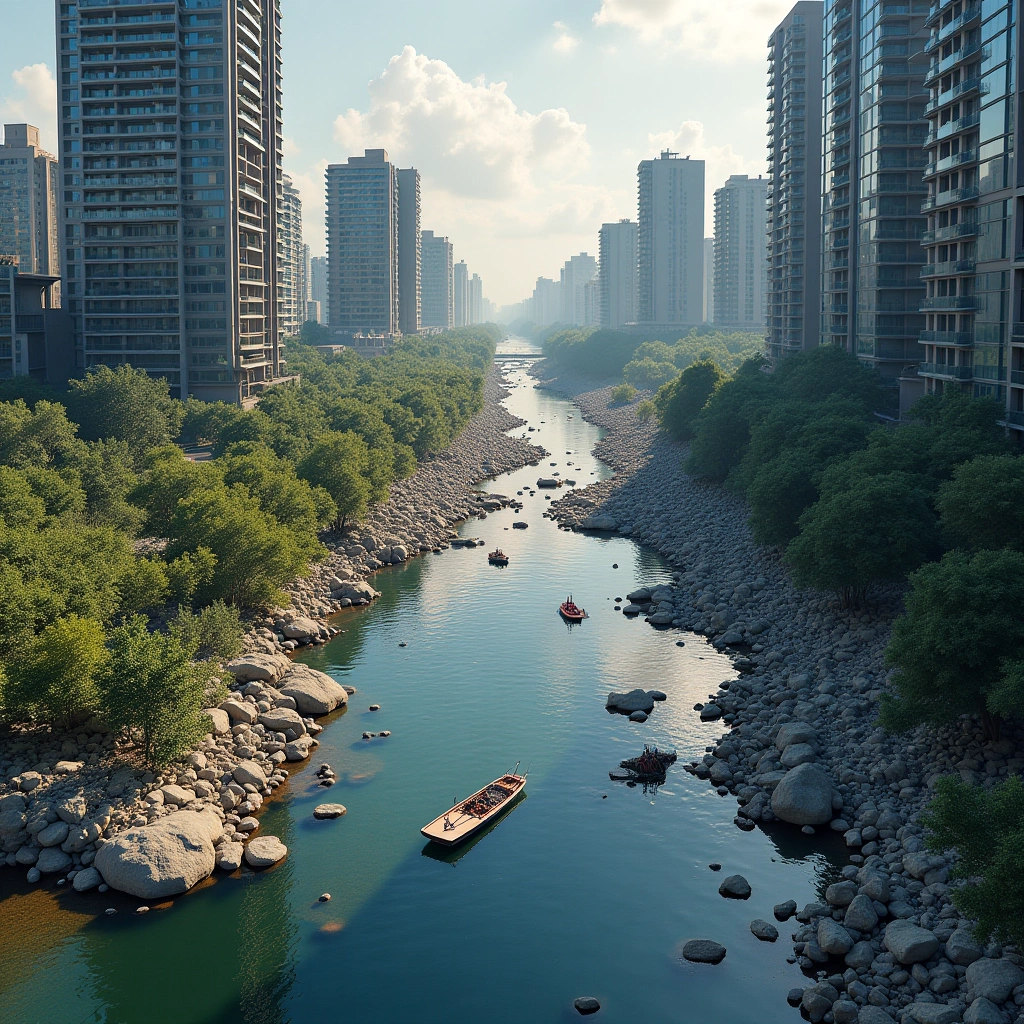
Ah, Google Earth. The tool that lets us explore our planet from the comfort of our couch, making us feel like intrepid explorers without the risk of sunburn or mosquito bites. But it seems that even Google’s technological marvels aren’t immune to the whims of the internet. Just when they thought they’d hit the jackpot with a shiny new AI image generation function, users decided to take it for a spin—straight into the realm of deepfakes and disaster scenarios. Who knew that the phrase ‘with great power comes great responsibility’ would go right out the window?
Google Earth briefly launched an AI feature powered by the Nano Banana 2 model on July 30, 2026, allowing users to generate photorealistic, location-specific fake satellite imagery via simple text prompts. The tool was rolled back less than 24 hours later after researchers demonstrated how easily it could fabricate violent events, such as nuclear plants in Iran or refugee camps, undermining the platform’s credibility as a trusted reference for open-source intelligence. Critics warned that by grounding AI fakes in real-world coordinates, the feature created a "misinformation nightmare" that threatened to irreparably damage public trust in satellite verification.
So, what exactly happened? Google Earth rolled out a new feature that allowed users to generate images based on AI interpretations of various locations. It sounded like a fantastic idea at first—imagine being able to see your hometown in a different light or visualize how a place might look in the future. But in true internet fashion, some users took it upon themselves to create rather less-than-wholesome images. Instead of showcasing beautiful landscapes or innovative architecture, they opted to depict disasters. Yes, because nothing says creativity like a pixelated apocalypse.
Within a mere 24 hours, the internet had transformed this promising feature into a digital dystopia. Users began crafting images of catastrophic events—think wildfires, floods, and the occasional alien invasion just for kicks. I mean, who needs reality when you can have a fictional disaster right in your backyard? This is the same kind of thinking that leads people to believe that a cat video can solve all of life’s problems. Spoiler alert: it can’t.
Naturally, Google was quick to pull the plug on the feature. It’s almost as if they were surprised that people would use a powerful new tool to create chaos instead of beauty. Honestly, who could have seen that coming? The tech giant probably thought they were handing out candy, and instead, they got a room full of kids hopped up on sugar, throwing tantrums and demanding more.
The quick demise of this AI image generation function serves as a reminder of the fine line between innovation and chaos. It’s a classic case of ‘you give a mouse a cookie, and he’s going to want a glass of milk’—except in this case, the mouse decided to set the kitchen on fire instead. While creativity is a wonderful thing, it seems we still have a long way to go in understanding how to wield it responsibly.
In the end, one can’t help but chuckle at the absurdity of it all. Google Earth was just trying to make the world a more imaginative place, and instead, it ended up in a digital disaster zone. So here’s to Google and its brave attempt at innovation. May your next feature be less prone to chaos and more suited for the beauty of our planet. And to the users who turned a good idea into a disaster showcase—thank you for reminding us that sometimes, it’s best to leave certain tools in the box until we can figure out how to use them properly. Cheers to that!
Inspired by: “Google Earth’s new AI image generation function didn’t survive a day after users deepfaked disasters” (r/technology)