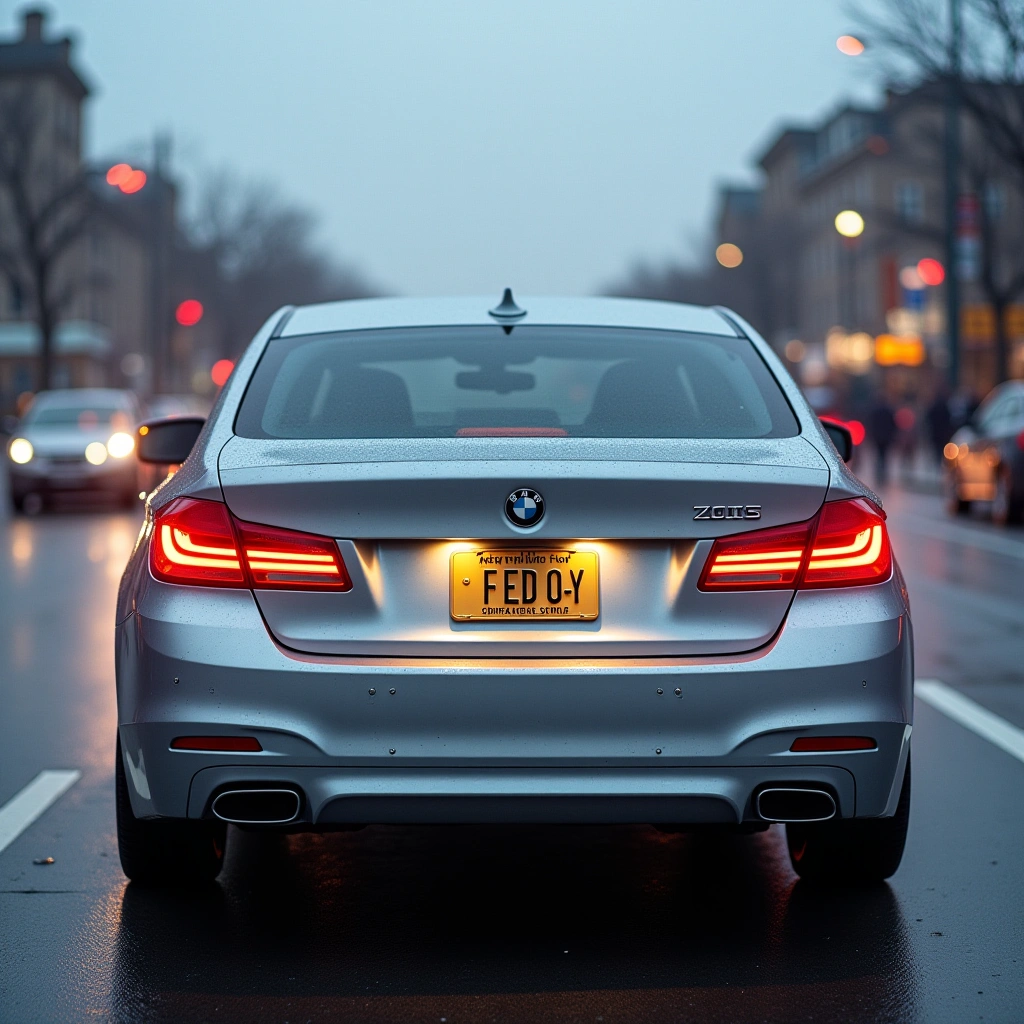
Ah, California—a place known for its sunny beaches, Hollywood glitz, and apparently, a license plate reading system that’s about as reliable as a chocolate teapot. In a recent revelation, it turns out that in one particular town, Flock, a company that specializes in license plate recognition, misread a whopping 71% of the alerts it sent to the police. Yes, you read that right. Seventy-one percent! That’s not just a statistical anomaly; that’s a full-blown, ‘oops, we did it again’ moment.
Earlier this year, we reported that Mountain View disabled its Flock cameras after discovering that Flock had shared license plate data with hundreds of agencies, including federal entities, without permission, and that some lookup features …
Now, before we dive into the nitty-gritty of this technological mishap, let’s take a moment to appreciate the sheer irony of a system designed to enhance public safety being misled by, well, the very thing it’s supposed to be monitoring. It’s like hiring a lifeguard who can’t swim—what’s the point?
Flock’s technology is intended to help law enforcement catch criminals by scanning license plates and alerting them to vehicles of interest. Sounds great in theory, right? Just imagine the police getting alerts about stolen cars or wanted felons zooming around town. But if 71% of those alerts are wrong, it’s less like a crime-fighting tool and more like a really aggressive game of ‘Where’s Waldo’—except Waldo is a totally innocent person just trying to get to work.
So, how does this even happen? Well, the intricacies of license plate recognition technology can be a bit finicky. It relies on cameras and algorithms to read the numbers and letters on plates. But if the lighting is bad, the angle is off, or the plate is dirty (and let’s be honest, whose plate isn’t a little grimy?), the system can easily misinterpret what it sees. It’s like trying to read someone’s handwriting after they’ve just run a marathon—good luck with that.
The consequences of these misreads can be significant. Imagine being pulled over by the police because your car was misidentified as a getaway vehicle. Spoiler alert: it’s not a pleasant experience. You might get out of it with a few good jokes and a smile, but let’s be real, nobody wants to be the punchline of a law enforcement blooper reel.
The Flock debacle has sparked a broader conversation about the reliability of technology in law enforcement. While many people support the idea of using tech to improve safety, it’s clear that we need to ensure these systems are accurate. After all, we’re not just talking about minor inconveniences here; we’re discussing potential violations of civil liberties and the erosion of trust between communities and the police.
So, what’s the takeaway from this mess? First, we all need to keep our license plates clean—because if Flock can’t read them, who knows what kind of chaos could ensue. Second, as we embrace technology, we must also be vigilant about its limitations. Just because a machine can do something doesn’t mean it should, especially when it’s getting it wrong 71% of the time.
In conclusion, let’s hope that this town takes a good, hard look at its tech before it winds up with a new kind of alert—one that says, ‘Hey, we messed up, and now you owe us a coffee for the trouble.’ Until then, stay safe out there and maybe give your license plate a good scrub. You never know when Flock might be watching!
Inspired by: “In one California town, Flock misread license plates in 71% of the alerts it sent to police” (r/technology)