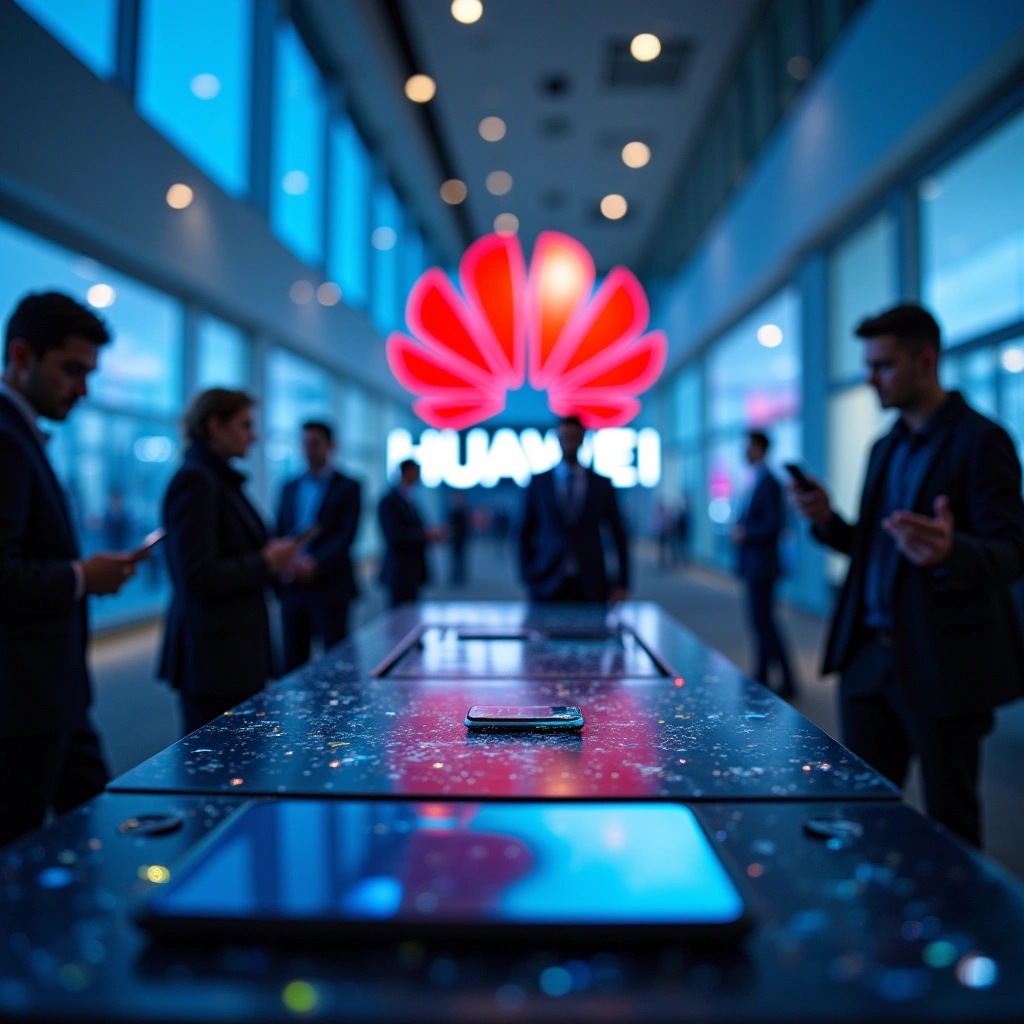
Ah, Huawei. The tech giant that seems to be both a blessing and a curse depending on which side of the globe you’re on. Recently, the GSMA (that’s the Global System for Mobile Communications Association, for those of you who are not fluent in tech jargon) dropped a bombshell: replacing Huawei in the EU is just too darn expensive, so we might as well just deal with it. Cue the collective sigh from Europe.
Huawei and ZTE removal sparks €40 billion dispute as Europe faces expensive telecom network overhaul across member states
Let’s take a moment to unpack this, shall we? For those who may not be familiar, Huawei has been a major player in telecommunications, especially in the realm of 5G. But thanks to various geopolitical tensions and security concerns, particularly from the U.S., many countries have begun to rethink their relationships with the Chinese company.
Now, imagine the EU as a well-meaning friend who’s trying to cut ties with a not-so-great influence. They’ve realized that Huawei has some questionable friends (hello, allegations of spying), yet they’re stuck with a hefty bill if they want to replace their tech infrastructure. It’s like finally deciding to break up with that toxic partner but realizing you’ve just signed a five-year lease together. Oops!
According to the GSMA, replacing Huawei’s equipment would cost EU countries a staggering €62 billion. Yes, you read that right. That’s not pocket change; that’s more like the price of a small island. So, what’s a continent to do?
Well, it seems the EU may just have to grin and bear it. They could go ahead and try to replace Huawei, but it would take time, resources, and a whole lot of money. And in a world where budgets are tighter than a drum, it’s not exactly a feasible option. So, the suggestion? Deal with it.
Of course, this doesn’t mean the EU is rolling over and accepting the status quo. There are ongoing discussions about diversifying suppliers and investing in homegrown technologies. But let’s be real: changing the entire infrastructure isn’t like switching your internet provider. It’s a monumental task that takes years and, surprise, more money.
Some critics might argue that accepting Huawei’s continued presence is akin to inviting a fox into the henhouse. And who could blame them? But the GSMA’s perspective is more pragmatic, suggesting that in the short term, Huawei’s equipment is simply too integrated into the existing networks to just rip out and replace without causing chaos.
So, what do we do with this information? Well, if you’re in the EU, it may be time to buckle up and prepare for the long haul. And for the rest of us watching from the sidelines, it’s a reminder that sometimes, the easiest solution isn’t the best one.
In the end, Huawei’s predicament is a classic case of being stuck between a rock and a hard place. You can’t just ignore the potential risks, but you also can’t afford to throw away billions on an overhaul. It’s a delicate dance, and right now, the EU seems to be stepping on its own toes. Who knew tech could be this complicated? But hey, at least we can all sit back and watch the drama unfold. Pass the popcorn!
Inspired by: “Huawei too expensive to replace in EU so deal with it, says GSMA” (r/technology)