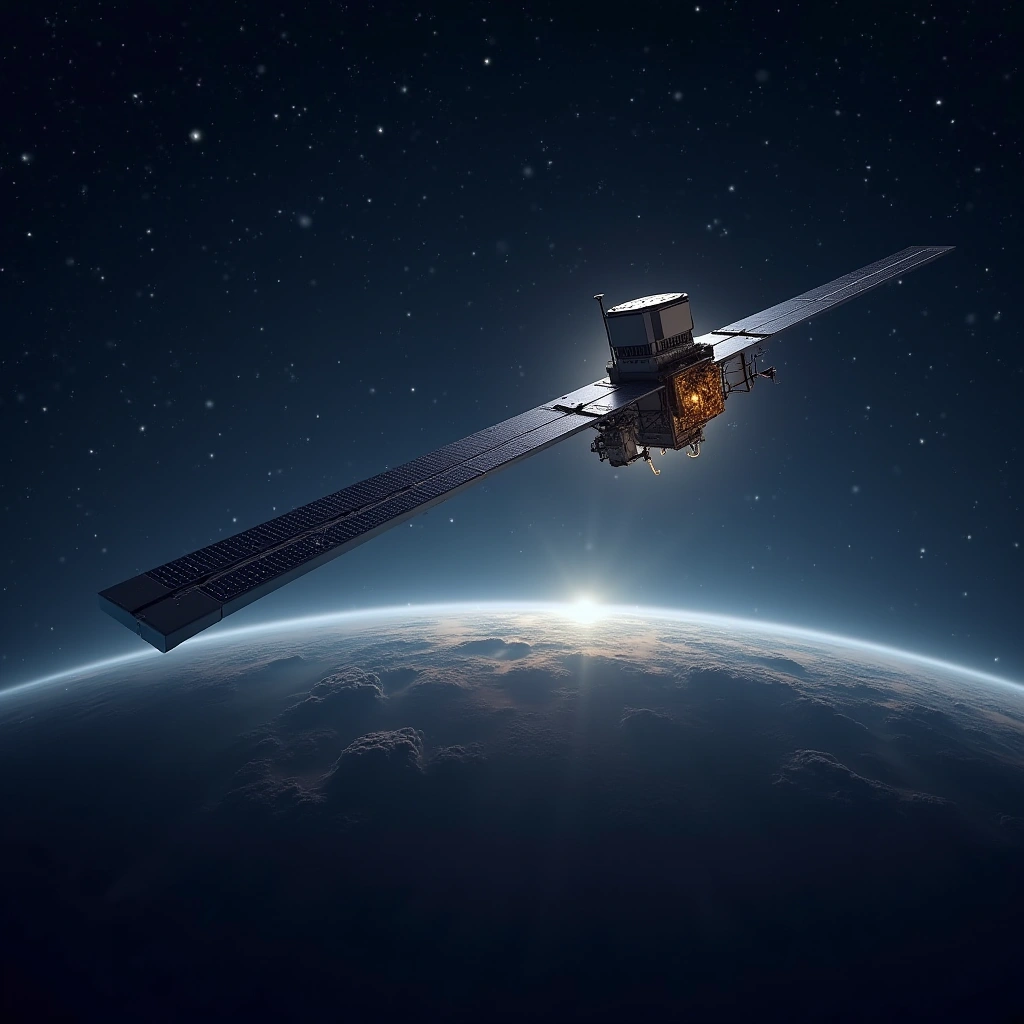
So, Amazon has decided that delivering your Prime packages in a day isn’t enough. Nope, they’ve got their eyes set on the sky—literally. Recently, the retail giant announced its plans to launch a staggering 5,105 satellites into space. Yes, you read that right. 5,105! It sounds like they’re either trying to take over the world or just really want to ensure you can stream ‘The Office’ in the most remote corners of the globe.
Amazon just escalated the space race for your smartphone. The company filed with the FCC to launch 5,105 satellites under its Amazon Leo division, designed to deliver voice calls, data, messaging, and emergency services directly to mobile devices without cell towers.
Now, before you start imagining Jeff Bezos in a space suit, floating around in zero gravity, let’s break down what this all means. Amazon is seeking federal approval for this ambitious project, which is part of their larger initiative called Project Kuiper. The goal? To create a direct-to-device network that will provide high-speed internet access to underserved areas. Because, apparently, there are still places where people can’t binge-watch shows at 3 a.m. What a tragedy!
But let’s talk logistics. Launching over 5,000 satellites is no small feat. We’re talking about a massive operation that would make even the most seasoned space nerds raise an eyebrow. It’s not just about sending a bunch of metal boxes into orbit; it’s about ensuring they don’t collide with each other or, you know, the International Space Station. I can only imagine the meeting where someone suggested, “Hey, why don’t we just throw a few thousand satellites up there and see what happens?” Spoiler alert: that’s a terrible idea.
Amazon is not the only player in the satellite internet game. Companies like SpaceX with its Starlink have already launched thousands of satellites and are providing internet access to many parts of the world. So, it’s like a high-stakes game of satellite poker, and Amazon is all in. They’re betting that their shiny new satellites will outdo the competition and deliver internet services that make you forget you ever had to deal with buffering.
However, there are some hurdles to clear before Amazon can start launching its fleet of satellites. They need federal approval, which is kind of like asking your parents for permission to throw a wild party. You know they’re going to have questions, and you can’t just say, “Trust me, it’ll be fine!” You have to present a solid plan, and that’s where things could get tricky.
There’s also the environmental impact to consider. While having internet access is great, launching thousands of satellites does raise some eyebrows about space debris. We’re already dealing with enough junk floating around up there. The last thing we need is a bunch of Amazon boxes drifting around in orbit like the world’s worst space junk.
So, what does this mean for you? Well, if you live in an area with spotty internet, you might be in luck. Amazon’s satellites could potentially provide faster, more reliable internet, making it easier to work from home or stream cat videos without interruption. Just imagine: no more yelling at your Wi-Fi router while trying to watch that new series everyone’s talking about.
In conclusion, Amazon’s plan to launch over 5,000 satellites is ambitious, to say the least. It’s a bold move that could change how we access the internet, especially in remote areas. But as with all things Amazon, we’ll have to wait and see if they can pull it off without any hiccups. Until then, keep your eyes on the sky—who knows, you might just spot a new Amazon delivery drone zipping past your window.
Inspired by: “Amazon seeks federal approval to launch 5,105 satellites for direct-to-device network” (r/technology)