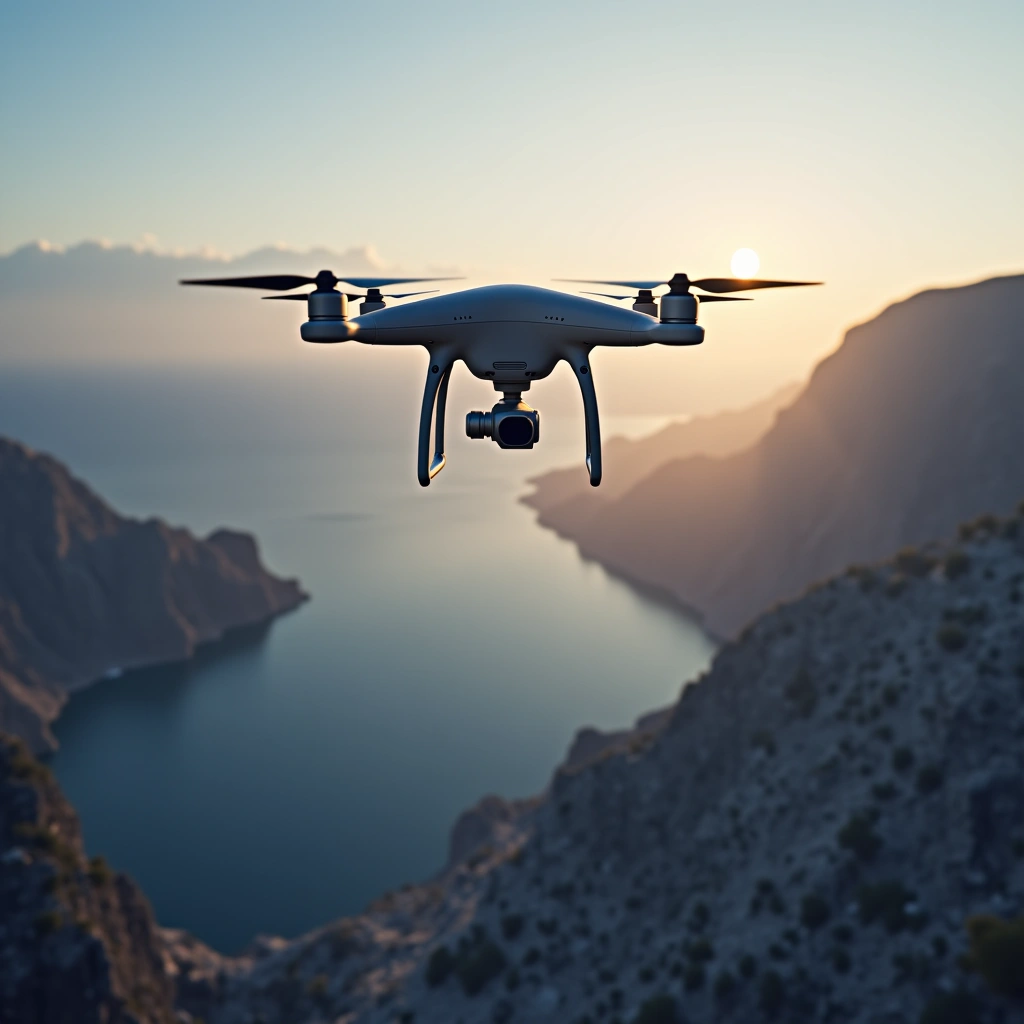
Drones have been a hot topic lately, especially when it comes to their role as first responders in emergencies. You might have seen headlines about how these flying gadgets are zooming across the skies of the US, helping firefighters, police, and medical personnel in situations where every second counts. Sounds great, right? Well, not everyone is on board with this new trend. Privacy groups are raising alarms, and honestly, they might have a point.
Drones have the capability to capture images and video from positions that were previously inaccessible, which raises legitimate privacy concerns. Over 40 US states have passed drone -specific privacy laws. However, most recreational drone pilots have no intent to surveil others. For concerns about specific drones near your property, see our guide on drone spying laws.
Let’s break it down. First off, the idea of drones swooping in to help during a crisis is pretty cool. Imagine a fire raging through a forest, and there’s a drone flying overhead, surveying the area, guiding firefighters to the best access points. Or think about a medical emergency where a drone delivers essential supplies to a remote location faster than an ambulance can get there. It’s like something out of a superhero movie, minus the spandex and capes.
But here comes the plot twist: with great power comes great responsibility—or in this case, great concern. Privacy advocates are waving their flags, shouting, “Wait a minute! What happens to our privacy?” And you know what? They might have a valid concern. After all, when you have drones buzzing around, it’s not just about saving lives; it’s also about the potential for invasive surveillance.
Imagine you’re having a picnic in the park, enjoying a sunny day, and there’s a drone hovering above, capturing every bite of your sandwich. Suddenly, your relaxing day feels more like an episode of a reality TV show that you definitely didn’t sign up for. Privacy groups argue that the widespread use of these drones could lead to a situation where our every move is monitored, whether we like it or not.
Now, don’t get me wrong. I’m all for innovation and using technology to improve our lives. But there’s a fine line between using drones for good and turning our neighborhoods into a scene from a dystopian novel. It’s like we’re living in an episode of “Black Mirror,” but instead of creepy robots, we have drones that might just be watching us while we binge-watch our own shows.
So, what’s the solution? Striking a balance between the benefits of first-responder drones and protecting our privacy is crucial. Regulations and guidelines need to be put in place to ensure that these drones are used responsibly. Maybe we could implement a no-fly zone over picnic areas? Or at least give us a heads-up that we’re being filmed, so we can at least put our best face forward?
In conclusion, while the rapid spread of first-responder drones across the US is exciting and could save lives, it’s essential to keep an eye on the implications for our privacy. After all, nobody wants to be the unwitting star of a drone documentary titled “The Lives of Everyday People: Sandwich Edition.” Let’s hope that as technology advances, we also find ways to protect our privacy, so we can enjoy our moments without feeling like we’re under constant surveillance. Because trust me, nobody wants to be that person whose lunch becomes the highlight reel for a flying robot.
Inspired by: “First-responder drones are spreading rapidly across the US, and privacy groups are worried” (r/technology)