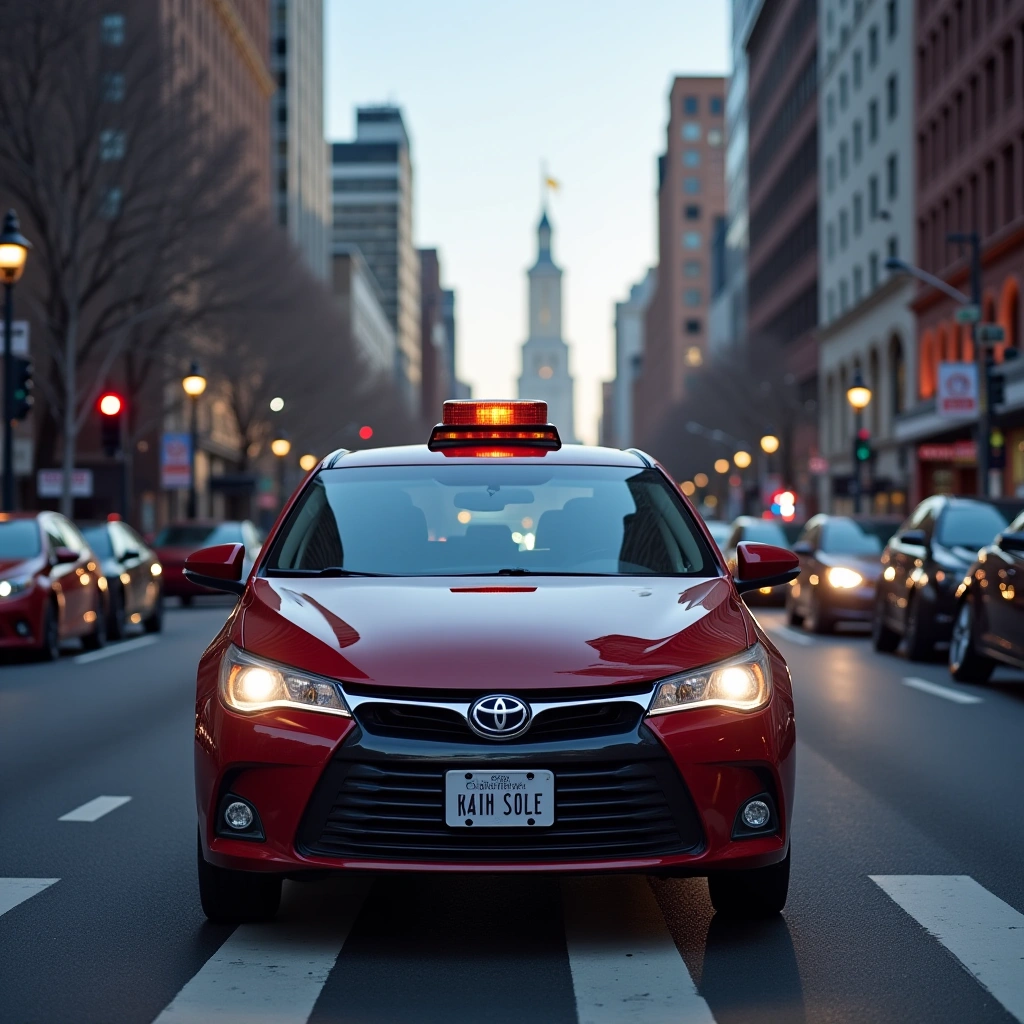
In a move that has left many scratching their heads and wondering if they accidentally stepped into an alternate universe, a judge has decided to block a law designed to protect Uber and Lyft drivers from being fired without warning. Yes, you heard that right. The very people who get behind the wheel to drive us around, sometimes while we’re still trying to figure out how to buckle our seatbelts (thanks, Uber), are now at the mercy of the legal system.
A federal judge has ruled that New York City cannot prohibit Uber Technologies and Lyft rom deactivating drivers from their apps without advance notice,
So, what’s the deal? Well, the law in question was designed to provide some semblance of job security for drivers who often find themselves at the whims of an algorithm. You know, those magical little codes that decide who gets to work and who gets the proverbial boot. Imagine showing up to your job one day only to find out that your boss decided to let you go because the computer said so. Sounds like a plot twist from a bad sci-fi movie, right?
The law was intended to require companies like Uber and Lyft to provide drivers with a clear explanation before they could be terminated. It was a noble effort, aiming to create a more transparent and fair working environment. But alas, it seems the legal system had other plans. The judge’s ruling has thrown a wrench into this well-meaning legislation, leaving drivers feeling a bit like a cat without a safety net.
Now, let’s not pretend that Uber and Lyft are the benevolent giants of the gig economy. These companies have been known to treat their drivers like disposable coffee cups—use them, toss them aside, and hope nobody notices. The lack of job security is a huge issue, and many drivers rely on these gigs to make ends meet. So, when a judge blocks a law aimed at protecting these workers, it’s like watching your favorite superhero movie only to find out that the hero forgot to wear their cape.
Of course, you can’t have a conversation about gig economy workers without mentioning the irony that these platforms often tout flexibility and independence as their main selling points. “You can work whenever you want!” they say, while simultaneously leaving drivers hanging when it comes to job security. It’s a bit like being told you can have all the ice cream you want, but only if you don’t mind being lactose intolerant.
Now, what’s next for the drivers? Well, they’re left with a few options: they can continue to drive for these companies and hope that they don’t get the dreaded ‘you’re fired’ notification, or they can band together and demand better treatment. Because, let’s face it, the only thing worse than being fired without explanation is being fired without a chance to fight back.
In conclusion, while this judge’s ruling may have sent a shockwave through the gig economy, it’s clear that the fight for fair treatment is far from over. Drivers deserve better, and it’s about time that the system recognizes their contributions to the economy. Until then, we’ll just have to keep our fingers crossed and hope that the next time the computer decides to fire someone, it at least provides a reason—preferably something more than the classic ‘it’s not you, it’s me.’
Inspired by: “Judge Blocks Law Made to Protect Uber and Lyft Drivers From Abrupt, Unexplained Firings” (r/technology)