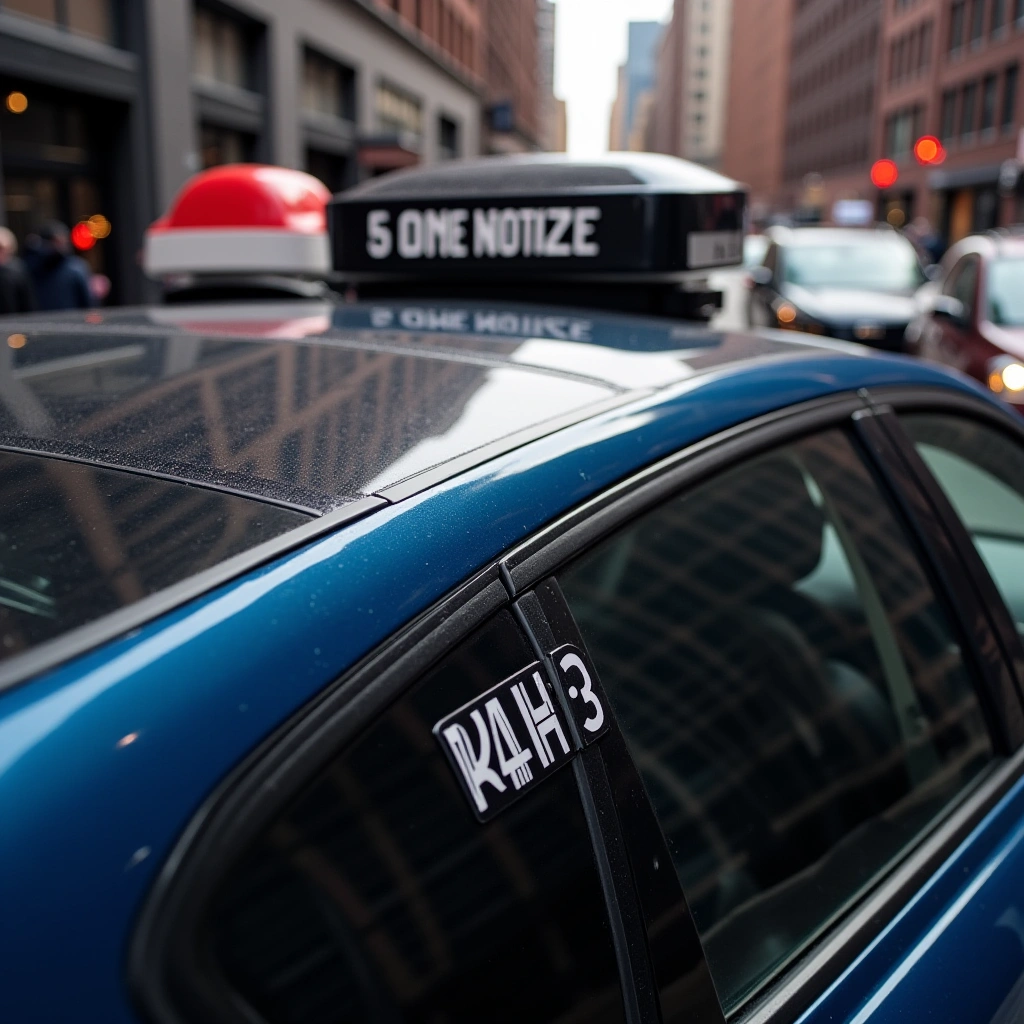
In a twist that could only happen in the wild world of gig economy regulations, Uber and Lyft have managed to secure a court block against a New York City law that would have required them to give drivers a heads up before firing them. Yes, you heard that right. Apparently, the idea of giving someone a notice before saying, ‘You’re outta here!’ is too radical for our friends in the rideshare industry.
You will have two routes once the law is in effect: a complaint to the Department of Consumer and Worker Protection, or a lawsuit in court. Both can result in reinstatement and back pay. Before you choose, preserve your deactivation notice , your prior warnings (or the lack of them), your trip and earnings history, and notes on what triggered it. The choice between the agency and court depends on your damages, your timeline, and whether other claims are mixed in.
Now, let’s break this down. Imagine you’re a driver, cruising around the bustling streets of NYC, picking up passengers and dodging potholes like a pro. One day, out of the blue, you get a notification: ‘Your services are no longer needed.’ Ouch! That’s like being ghosted by your favorite pizza place. You want to know what went wrong, but you’re left in the dark.
The NYC law aimed to change that. It proposed that drivers should receive a notice before being terminated, allowing them to understand their performance and, potentially, improve it. Seems fair, right? But Uber and Lyft thought otherwise. They argued that such a requirement would impose unnecessary burdens on their business operations. Because who needs to treat workers with dignity when you can just swipe left on their employment?
The court’s decision to block this law has sparked a wave of discussions. Supporters of the law are understandably frustrated. They argue that drivers deserve transparency and the opportunity to rectify any issues before being kicked to the curb like yesterday’s takeout. On the flip side, Uber and Lyft maintain that their algorithms are fair and efficient, and really, who needs human interaction in a digital age?
It’s worth noting that this isn’t just about the drivers. This ruling also sends a message about labor rights in the gig economy. As more people turn to rideshare driving as a side hustle or full-time gig, the question of how these companies treat their drivers is becoming increasingly important. Shouldn’t there be some level of accountability?
But, hey, let’s not forget Uber and Lyft are tech companies, and we all know that tech companies love to operate in a world where rules are merely suggestions. After all, who needs regulations when you have a fancy app?
As the debate continues, it’s clear that the gig economy is at a crossroads. Will we see more protections for workers, or will companies continue to prioritize profits over people? For now, it seems like Uber and Lyft are basking in their legal victory, but the conversation is far from over.
So, if you’re a driver in NYC, keep your eyes peeled. While you might not get a notice before your next ride is your last, at least you can always count on that surge pricing to cushion the blow. And for everyone else, let’s just sit back, grab some popcorn, and watch how this legal drama unfolds. After all, nothing says entertainment quite like a good old-fashioned courtroom battle between gig giants and city lawmakers!
Inspired by: “Uber, Lyft win court block on NYC law requiring notice before firing drivers” (r/technology)