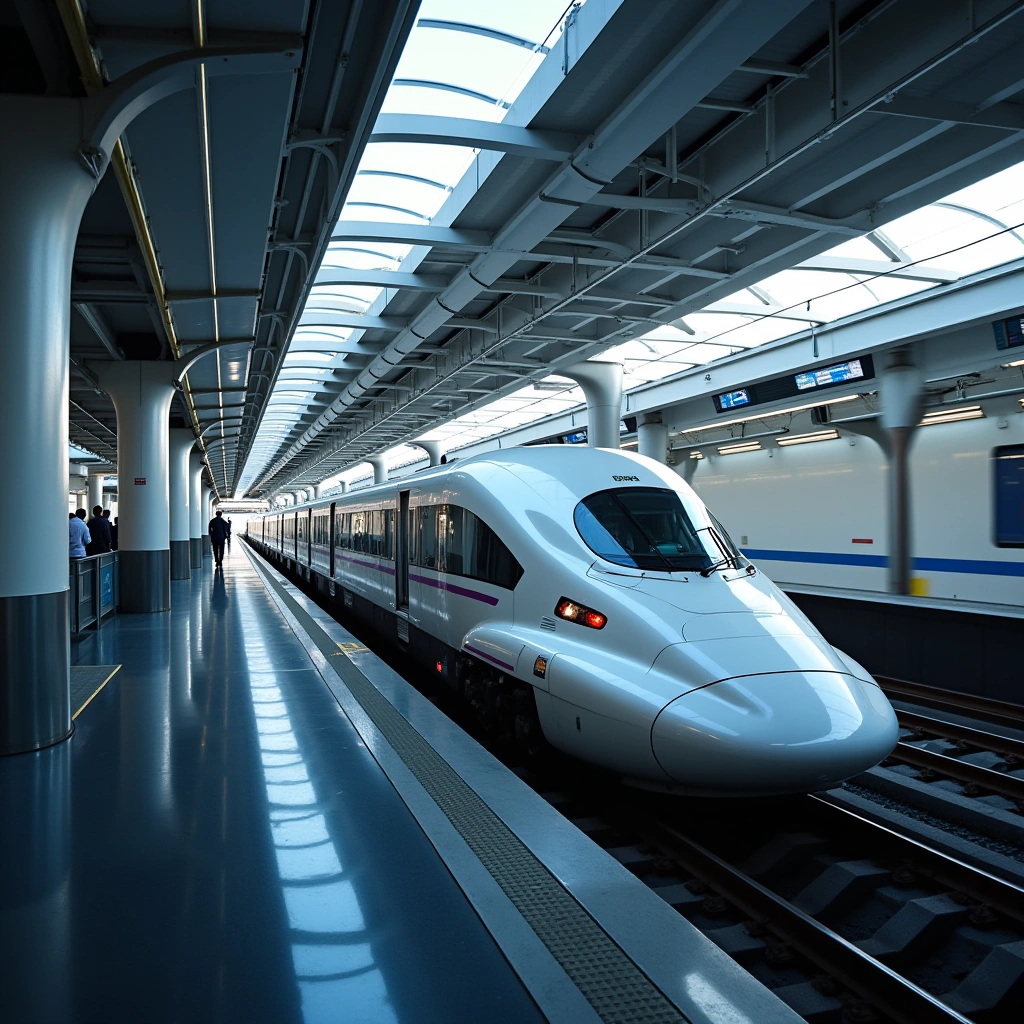
Ah, the Shinkansen—Japan’s pride and joy, the sleek and speedy bullet train that seems to defy the laws of physics while making a coffee run feel like a joyride. But, as it turns out, even the best of the best can have a few hiccups, especially when it comes to quality control. Recently, reports have emerged about quality test fraud in the extension work for the Hokkaido Shinkansen, and let’s just say, it’s not exactly a shining moment for the rail industry.
Of 10 defined sections of the Hokkaido Shinkansen extension, sources told NHK that the bidding for five of these may have been rigged, meaning the construction companies colluded to pre-select the bid winners, ensuring lucrative returns.
So, what exactly happened? Well, it appears that some bright sparks in the construction crew decided that following the rules was just too boring. Instead of conducting proper quality tests on the rails—essentially checking if they could withstand the thundering speed of the Shinkansen—they opted for a little creative accounting. You see, it’s much easier to fake results than to actually put in the hard work, right? Who needs integrity when you can just, you know, make things up?
The Hokkaido Shinkansen, which connects the northernmost island of Hokkaido with the main island of Honshu, is a crucial part of Japan’s transportation infrastructure. It’s not just a train; it’s a lifeline for the region, facilitating travel for both locals and tourists. So, when news broke that the quality tests were potentially rigged, it sent alarm bells ringing louder than a Shinkansen pulling into a station.
Authorities quickly jumped into action, launching investigations to figure out just how deep the rabbit hole goes. It turns out that the fraud involved falsified data related to the strength and durability of construction materials used in the extension. You know, minor details that kind of matter when you’re building a high-speed train line. One can only assume that the perpetrators were hoping that no one would notice—because nothing says ‘trustworthy transportation’ like a little bit of deception.
The implications of this scandal are significant. For one, it raises questions about the safety of the infrastructure. How can passengers feel secure knowing that the very ground they’re traveling on might have been built on a foundation of lies? It’s kind of like finding out that the rollercoaster you’re about to ride was assembled by someone who thought ‘safety regulations’ were just suggestions.
Additionally, this incident could have serious repercussions for the companies involved. We’re talking about potential legal action, hefty fines, and a reputation that might take years to rebuild—if it ever does. It’s like a bad breakup that you can’t quite shake off; no matter how hard you try, that reputation will stick around like a bad smell.
On a lighter note, the scandal has sparked a wave of memes among the internet community. You know how it goes—when life gives you lemons, you make memes. The irony of a train known for its punctuality and reliability being built on fraudulent practices is just too good to pass up. Expect to see a flurry of jokes about ‘fake news’ and ‘fake trains’ in your social media feeds for the foreseeable future.
In conclusion, the Hokkaido Shinkansen extension quality test fraud serves as a stark reminder that even the most advanced and trusted systems can fall prey to human error (or, in this case, human greed). As investigations continue, let’s hope that the authorities can get to the bottom of this issue and restore faith in Japan’s beloved bullet train network. Because at the end of the day, we all want to ride the Shinkansen without worrying if it’s going to derail because someone decided to take shortcuts. Here’s to hoping for a speedy resolution—pun intended!
Inspired by: “Quality Test Fraud Found in Hokkaido Shinkansen Extension Work” (r/technology)