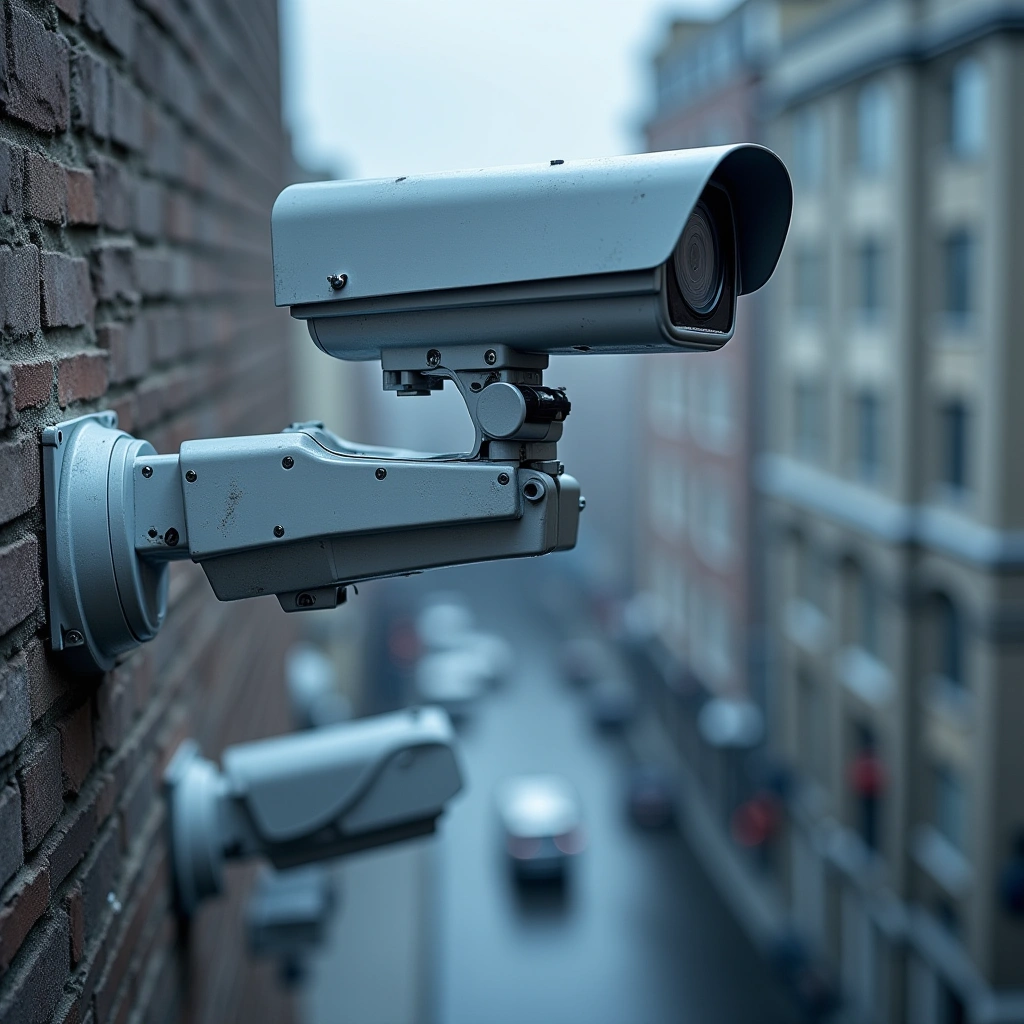
It seems like every few weeks, there’s a new headline about someone getting a little too enthusiastic in their quest to take down the Flock cameras popping up across America. You know, those little devices that are supposed to keep our streets safer but are apparently becoming the target of a nationwide game of camera whack-a-mole. So why are people so keen on destroying these surveillance cameras? And what’s the paperwork got to do with it?
And even though more than 45 cities have canceled Flock contracts amid public outcry, that doesn't guarantee that all surveillance cameras will be removed from the designated area. When I reached out to the police department in Eugene, another city in Oregon that ended its Flock contract, the PD director of public information told me that, while there were concerns about certain vulnerabilities and data security requirements with the particular vendor, the technology itself is not the problem.
First off, let’s talk about what Flock cameras actually do. These nifty little gadgets are designed to capture license plate numbers and send that information to law enforcement. Sounds pretty innocent, right? Well, that’s what they want you to think. But for many, these cameras represent an invasion of privacy and a reminder that Big Brother might be watching a little too closely.
Now, if you think about it, the idea of being surveilled 24/7 can be a bit unsettling. Imagine going to the grocery store, and every time you reach for the last box of cereal, a camera is there to document your every move. It’s like being in a reality show, but instead of winning a million bucks, you just get a lifetime of awkward cereal-related shame.
Some folks have taken it upon themselves to fight back against this perceived invasion. Reports indicate that there have been numerous incidents where people have taken matters into their own hands—literally. Whether it’s spray painting over the lenses or outright yanking them down, it seems there’s a growing trend of resistance against Flock cameras. And while I can’t endorse vandalism (I mean, come on, let’s not get carried away), I can understand the frustration.
But here’s where it gets really interesting: the paperwork. Yes, the paperwork. You see, before these cameras were installed, towns and cities had to go through a whole bureaucratic process. There were meetings, discussions, and probably a few eye rolls from local officials who were just trying to get through their day. And guess what? The paperwork often included warnings about potential backlash from the community. Who would have thought that people might not want to be watched like hawks?
In a way, the paperwork was a crystal ball of sorts, predicting that not everyone would roll over and embrace the era of surveillance. It’s almost poetic, really. Here’s a bunch of bureaucrats trying to keep everyone safe, and instead, they might just be fueling a rebellion against their own initiatives.
So what’s the takeaway from all this? Maybe it’s time to find a middle ground. Perhaps we could have a system where Flock cameras are used but with a little less Big Brother vibe? I’m thinking something along the lines of ‘Flock cameras with a sense of humor’—maybe they could have a feature that lets them crack jokes while they’re recording. Just imagine a camera saying, ‘Hey, you there! Yes, you! You dropped your hotdog!’ Not only would it be entertaining, but it might just make people feel a little less like they’re being hunted.
In conclusion, while the Flock cameras are designed to keep us safe, the backlash against them is a reminder that privacy is still a hot topic in today’s world. So, if you’re considering taking out a Flock camera, maybe think twice. Instead, how about we advocate for a system that respects our privacy while still keeping us safe? After all, we don’t need a camera to tell us when we’ve dropped our hotdog.
Inspired by: “People Keep Destroying Flock Cameras Across America. The Paperwork Already Saw It Coming.” (r/technology)