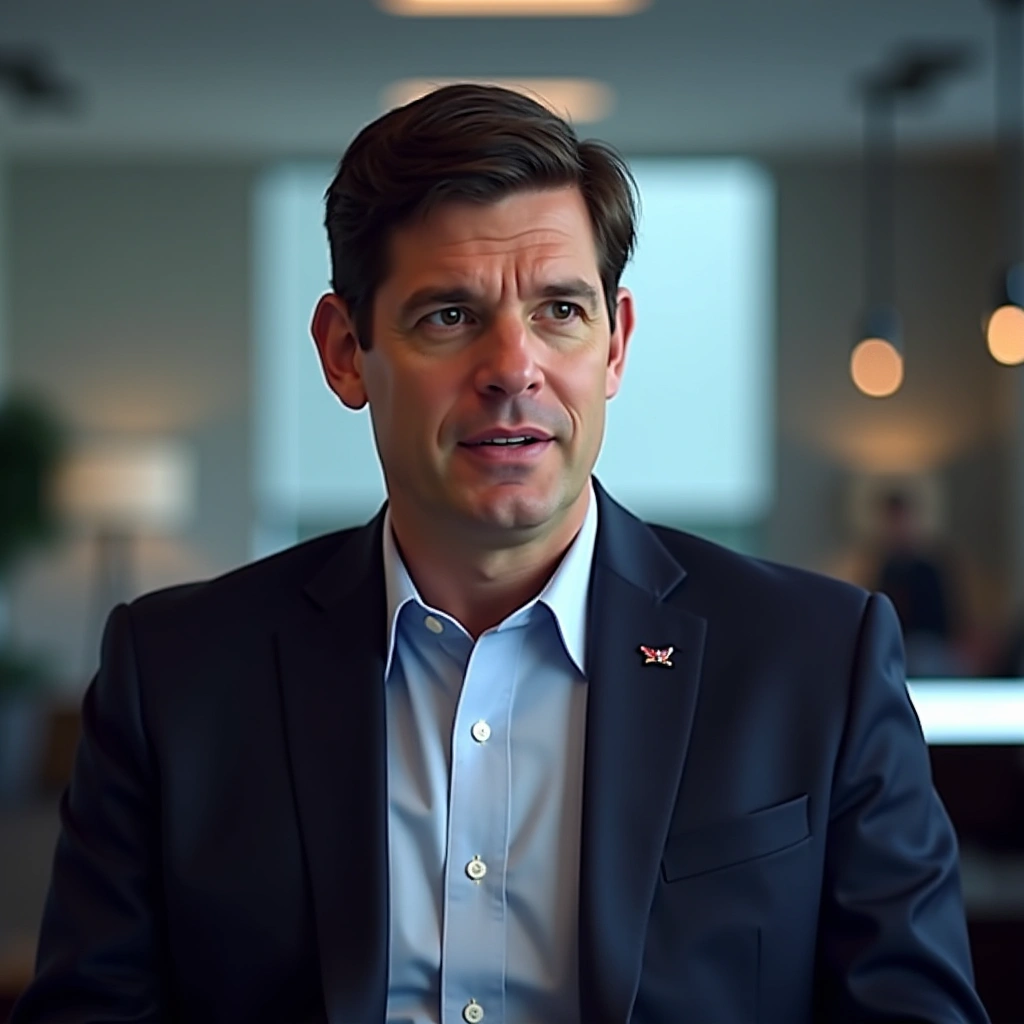
Ah, Peter Thiel. The man who can turn any conversation into a philosophical debate about the apocalypse—while probably sipping on a mysterious green juice. Recently, he’s been making waves with his so-called ‘Antichrist’ theory, which, spoiler alert, isn’t about a devilish figure in a red suit with horns. Instead, it’s a rather fascinating perspective on the intersection of technology and climate regulation. Let’s unpack this intriguing theory without getting lost in the weeds.
It exploits the fear of climate change, nuclear war and technological apocalypses to promote the rise of a "world government," a nightmare for libertarians opposed to any form of state regulation.
Thiel, a billionaire tech mogul and co-founder of PayPal, is no stranger to controversial ideas. He’s often been labeled a futurist, but let’s be honest—sometimes it feels like he’s more of a ‘what-if’ philosopher. In his latest musings, he argues that our current trajectory in tech and climate regulation could lead us to a dystopian future, where regulation becomes the ultimate ‘Antichrist’—a force that stifles innovation and freedom.
Now, before you roll your eyes and dismiss this as just another billionaire rant, let’s break it down. Thiel suggests that excessive regulation in both technology and climate action could lead us to a society where innovation is hampered, and creativity is snuffed out like a candle in a windstorm. He believes that instead of fostering growth and progress, regulators are acting more like gatekeepers, preventing new ideas from flourishing.
Imagine a world where every technological advancement must pass through a gauntlet of bureaucratic red tape. Sounds fun, right? It’s like trying to get a refund at a store during the holiday season—frustrating and utterly soul-crushing. Thiel’s point is that if we’re not careful, we might end up with a tech landscape that’s more about compliance than creativity.
But let’s not forget the climate part of the equation. Thiel argues that while addressing climate change is crucial (and he’s not wrong), the approach taken by many regulators may inadvertently lead to more harm than good. By focusing solely on regulations without considering the innovative solutions that technology can offer, we risk creating a scenario where the very problem we’re trying to solve becomes exacerbated. It’s like trying to fix a leaky faucet by throwing a bucket over it.
So, what’s the solution? Thiel advocates for a more balanced approach—one that embraces innovation while still addressing the pressing challenges of climate change. He’s calling for a paradigm shift where tech and climate regulation work in harmony rather than against each other. It’s a bold vision and, dare I say, a bit optimistic for someone who often seems to revel in the darker aspects of human nature.
Of course, Thiel’s ideas aren’t without their critics. Many argue that his perspective is overly simplistic and ignores the complexities of regulatory frameworks. Others fear that his advocacy for less regulation could lead to unchecked corporate power and environmental degradation. It’s a classic case of ‘you can’t please everyone’—but that’s the beauty of a good debate, isn’t it?
In conclusion, Peter Thiel’s ‘Antichrist’ theory is a thought-provoking take on the future of technology and climate regulation. Whether you agree with him or think he’s just another billionaire with too much time on his hands, it’s clear that the conversation around innovation and regulation is one that needs to happen. So, grab your popcorn and get ready for the show—because this is one debate that’s sure to keep us all entertained (and maybe a little bit worried) for years to come.
Inspired by: “Peter Thiel just gave the public its closest look yet at his ‘Antichrist’ theory—and it’s a tech an…” (r/technology)