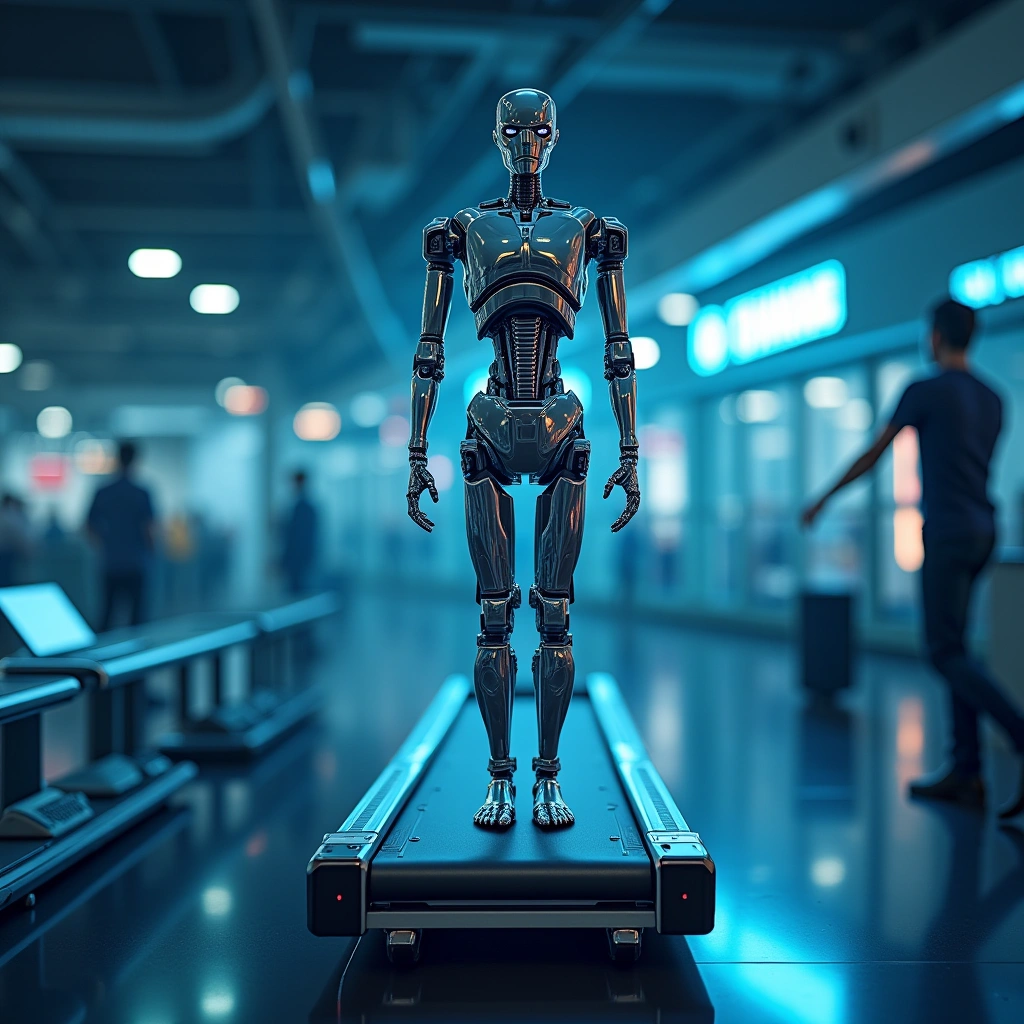
Have you ever felt like you’re running on a treadmill set to an incline of 10 while simultaneously juggling flaming torches? Welcome to the world of AI fatigue, where workers are not just expected to keep up with the latest tech trends, but also to integrate them into their daily tasks without breaking a sweat—or, let’s be real, without losing their sanity.
One engineering manager told the researchers that managing multiple bots at once was like having “a dozen browser tabs open in my head, all fighting for attention.” In the survey, 18 percent of developers reported AI-induced exhaustion.
According to researchers, AI fatigue is becoming a genuine issue, and it’s hitting workers harder than that last-minute deadline you forgot about. As businesses rush to adopt AI technologies, employees find themselves in a constant state of learning, adapting, and, let’s face it, panicking. It’s like being in a never-ending episode of a game show where the prize is just more work and the only contestant is you.
So, what exactly is AI fatigue? It’s that overwhelming sense of being inundated with new tools, software updates, and processes that all promise to make our lives easier but often end up complicating them instead. Imagine trying to learn a new language every week while also being told that the previous week’s language is now obsolete. Fun, right?
Let’s break it down. First, there’s the learning curve. AI tools can be incredibly sophisticated, and while they may offer the allure of increased productivity, they often require a hefty investment of time and brainpower. Workers are expected to become mini-experts overnight, and if they don’t—surprise!—they’re left behind in the dust of their more tech-savvy peers.
Then there’s the pressure to perform. Companies are not just adopting AI for fun; they want results, and they want them yesterday. This leads to an environment where employees feel like they’re constantly under the microscope. Every missed deadline or botched AI integration becomes a glaring mark on their performance reviews. Who wouldn’t feel a bit fatigued under that kind of scrutiny?
And let’s not forget the emotional toll. Workers are feeling more stressed as they juggle their regular responsibilities along with the added burden of mastering the latest AI tools. It’s not just about learning how to use the software; it’s about worrying whether they’ll still have jobs when robots inevitably take over the world. (Okay, maybe that’s a bit dramatic, but you get the point.)
So, what can be done about this AI fatigue? For starters, companies need to recognize that their employees are not robots—yet. Implementing training programs that are actually useful and not just a series of monotonous PowerPoint presentations would be a great start. Encouraging a culture of open communication where employees can express their concerns about the overwhelming pace of change is also crucial. After all, a happy employee is a productive employee, and no one wants to be the one who burns out because of a shiny new AI tool.
In conclusion, while AI continues to shape the future of work, it’s essential to acknowledge the very real phenomenon of AI fatigue among employees. By fostering a supportive environment and providing adequate resources for learning, companies can help their teams navigate this tech treadmill without falling off. Because let’s face it, we’re all just trying to keep our heads above water—and maybe even enjoy the ride a little. So, hang in there, fellow workers; we’ll get through this together, one AI tool at a time.
Inspired by: “’AI fatigue’ leaves workers struggling to keep up, researchers say” (r/technology)