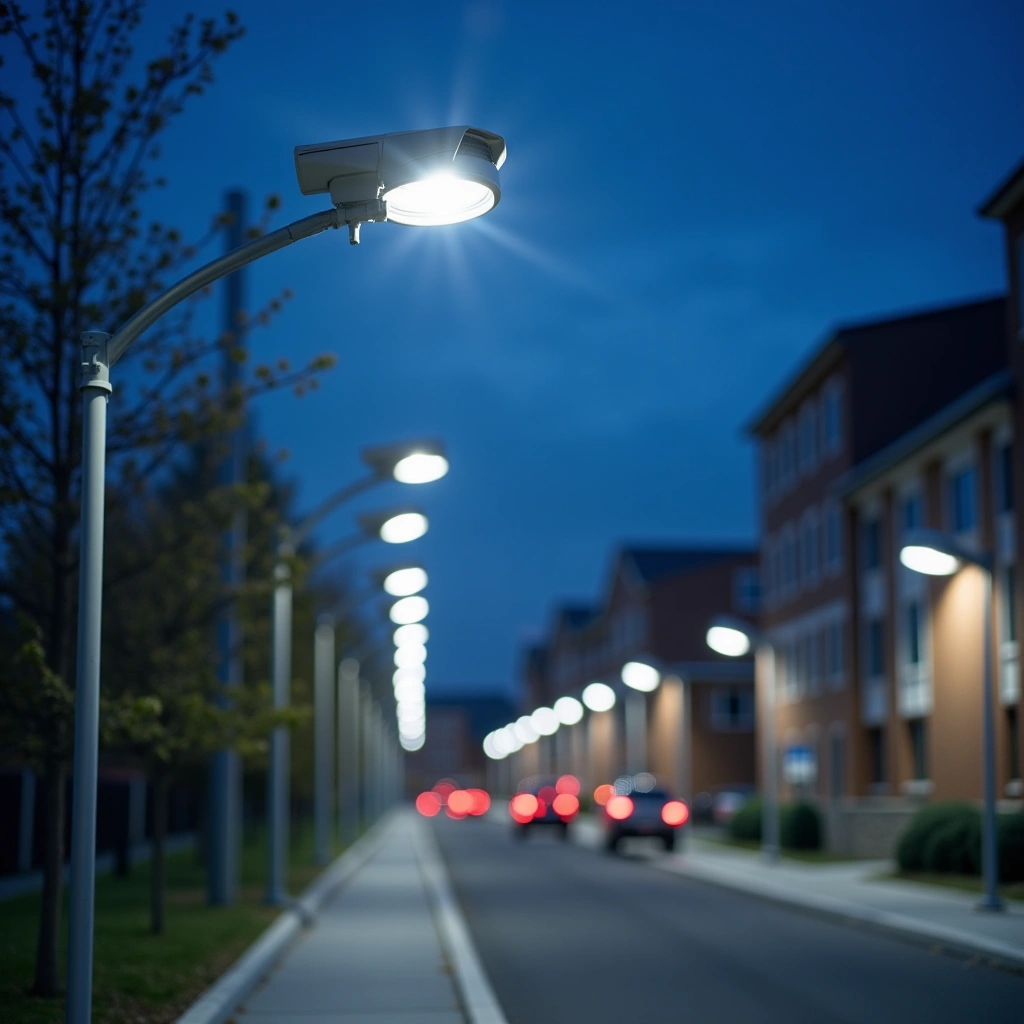
In recent years, our streets have become a battleground for privacy versus security, and it seems like every technological advancement is adding fuel to that fire. Enter Nema Nodes, the latest addition to the surveillance party that’s already crowded with Flock Cameras and other watchful gadgets. But what exactly are these Nema Nodes, and why should you care?
What started as 'smart energy saving' has morphed into the backbone of a nationwide tracking system — powering cameras, sensors, and data fusion that governments and tech giants can tap into with a few clicks.
First things first, let’s break it down. Nema Nodes are tiny devices that can be attached to existing streetlights, transforming them into a sprawling network of surveillance equipment. Think of them as the little black dress of urban infrastructure—versatile, stylish, and just a tad invasive. They allow cities to collect data on everything from traffic patterns to pedestrian movement, all while keeping an eye on, well, you.
Now, you might be wondering how this is any different from the Flock Cameras that have already made headlines for their ability to capture license plates and, let’s be honest, a whole lot of selfies from unsuspecting pedestrians. The key difference lies in the Nema Nodes’ ability to integrate various types of data. They don’t just see; they analyze. They can process information from multiple sources, creating a comprehensive profile of what’s happening in your neighborhood—like an overly nosy neighbor who somehow knows when you’ve run out of milk.
But before you start envisioning a dystopian future where every move you make is monitored by a streetlight, let’s take a moment to acknowledge the potential benefits. For one, these nodes can improve city services. By analyzing traffic flow, cities can optimize traffic light timing, reduce congestion, and maybe even help you get to work on time for once (no guarantees, though). They can also enhance public safety by providing real-time data to emergency services. So, there’s a silver lining in this cloud of surveillance.
Of course, the conversation around privacy is critical. With great power comes great responsibility, or so the saying goes. The concern is that as cities become more reliant on these technologies, the line between public safety and invasion of privacy blurs. Who’s watching the watchers? And more importantly, how long until we start seeing ads for streetlight-branded sunglasses because, let’s face it, privacy is out of style?
In conclusion, Nema Nodes are the latest in a long line of innovative technologies that promise to make our cities smarter—at the potential cost of our privacy. As we embrace these advancements, we must also advocate for transparency and accountability in how the data collected is used. So, the next time you walk under a streetlight, just remember: it’s not just lighting your path; it’s also keeping an eye on you. Welcome to the future, folks—where even your streetlight has a front-row seat to your life!
Inspired by: “You Know About Flock Cameras, Meet Nema Nodes: They Turn Streetlights Into A Surveillance Network” (r/technology)