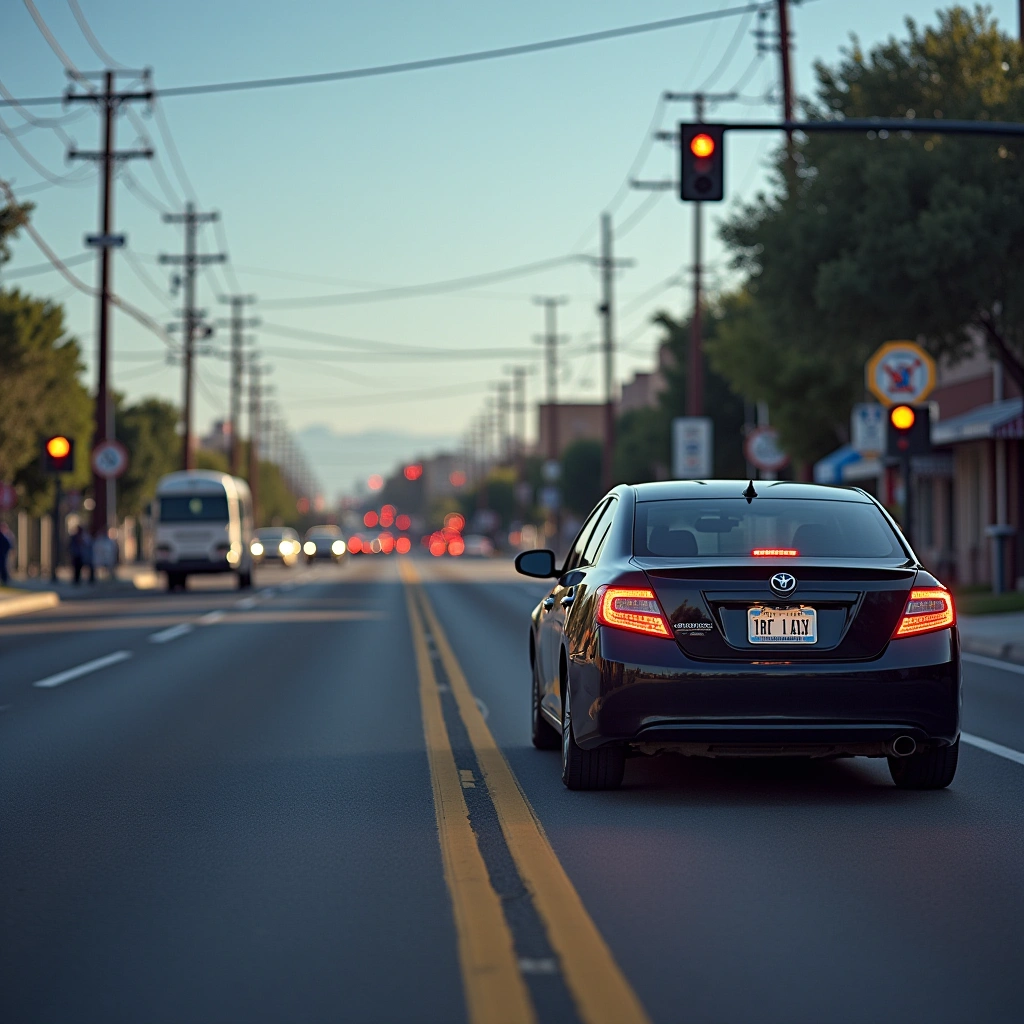
Ah, technology—the double-edged sword of modern policing. Just when you thought the LAPD was set to become the coolest cop on the block with its shiny license plate-reading cameras, they decided to end their deal with the company operating those bad boys. Let’s dive into this juicy drama, shall we?
No. LAPD’s decision is a significant setback for Flock Safety, but the available evidence points to mounting pressure and selective retrenchment, not a nationwide collapse. Los Angeles matters because it is a major police market and because LAPD cited concerns about Flock’s contract language on data collection and use. That fits a broader pattern: cities and police agencies in Maine, Illinois, Washington, Ohio, California, Massachusetts and elsewhere have paused, canceled or declined to renew Flock deals over privacy, federal data access, immigration-related searches, and customer control of d
First off, let’s talk about these license plate-reading cameras. If you haven’t seen them in action, just picture a fancy, high-tech version of a nosy neighbor peeking through the curtains. These cameras scan license plates at lightning speed and, in theory, help law enforcement track down stolen vehicles or find out if someone is driving around with a warrant out for their arrest. Sounds great, right? It’s like having a superhero who can identify villains just by their license plates. But, like all good superhero stories, there’s often a twist.
The LAPD’s partnership with the company behind these cameras was supposed to be a match made in tech heaven. They were all set to revolutionize policing in Los Angeles. However, it seems that this tech romance has hit a bit of a rough patch. Reports suggest that the LAPD is pulling the plug on this partnership due to concerns over privacy, data security, and the sheer effectiveness of the cameras. You know, the usual suspects in the ongoing battle between tech and civil liberties.
Now, don’t get me wrong—there’s nothing wrong with wanting to catch criminals. But when you start scanning every license plate that passes by, some folks begin to feel a little uneasy. It’s like having a roommate who insists on monitoring your every move. Sure, they might have good intentions, but do you really want to feel like you’re living in a reality show?
The LAPD’s decision to end the deal comes amidst growing scrutiny of surveillance technologies. Privacy advocates have been waving their flags, stating that these systems can lead to wrongful arrests and racial profiling. It turns out that while the cameras can read plates, they might not be so great at reading the room—or the ethical implications of their existence.
In the grand scheme of things, this decision could be a turning point for law enforcement agencies. It might signal a shift towards more responsible use of technology, or it may just be a temporary hiccup in a long-standing relationship with high-tech crime-fighting tools. Either way, it’s a reminder that with great technology comes great responsibility, or at least it should.
So, what’s next for the LAPD? Are they going to go back to the days of good old-fashioned police work? You know, like knocking on doors and asking questions? Or will they find another tech partner who promises to respect privacy while still catching the bad guys? Only time will tell, but for now, it seems like the LAPD is taking a step back from the high-tech fast lane to reassess their approach.
In conclusion, the LAPD’s decision to end its deal with the license plate-reading camera company is a significant moment in the ongoing conversation about surveillance technology in law enforcement. It’s a delicate balance between catching criminals and respecting citizens’ rights. Who knew policing could be so complicated?
So, here’s to hoping that whatever path the LAPD chooses next, they keep the dialogue open and remember that sometimes, less really is more—especially when it comes to cameras watching your every move. Cheers to that!
Inspired by: “LAPD ending deal with company operating license plate-reading cameras” (r/technology)