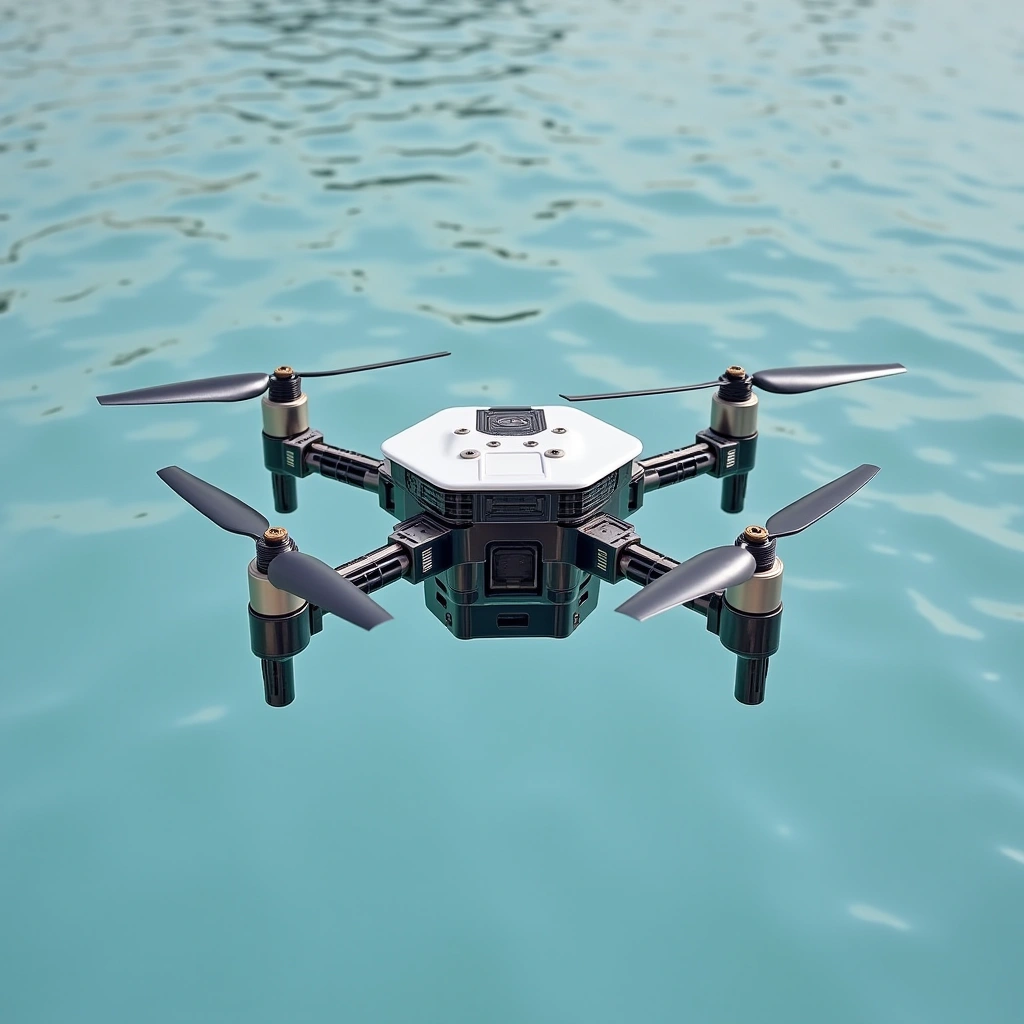
If you thought your average drone was impressive, wait until you hear about MIT’s latest creation: a flapping robot that can both swim and fly like a diving bird. Yes, you read that right. This isn’t just any robot; it’s a multi-talented aerial-aquatic hybrid that could revolutionize ocean exploration. So, grab your snorkel and aviator sunglasses, because we’re diving into the details!
Inspired by these naturally aquatic aviators, engineers at MIT and EPFL in Lausanne, Switzerland, have designed a robot that can swim underwater, then flap out of the water to continue flying through air, much like diving birds.
Imagine a robot that can seamlessly transition from soaring through the air to diving beneath the waves. It’s the kind of technology that makes you feel like you’re living in a sci-fi movie—except it’s real, and thankfully, it won’t require you to wear a spandex suit. This new class of vehicles designed by MIT engineers could open up a whole new world of possibilities for studying our oceans.
The engineers behind this marvel have taken inspiration from nature, specifically the way birds and fish move. By mimicking the flapping motion of birds, this robot can take off, fly, and then plunge into the water to swim. It’s like the robot version of Michael Phelps meets a pelican, only with fewer sponsorship deals and more wires.
But why is this important, you ask? Well, our oceans are vast, mysterious, and, let’s be honest, a little bit terrifying. With 71% of the Earth’s surface covered in water, there’s a lot we still don’t know about what’s lurking beneath the waves. Traditional underwater exploration methods often involve bulky submarines or remotely operated vehicles that are limited in mobility. Enter the flapping robot, which could navigate both the skies and the seas with ease.
This technology could be a game changer for scientists, allowing them to gather data from hard-to-reach areas of the ocean. Think about it: instead of sending a human diver into the depths of the ocean where they might encounter a giant squid (or worse, a really rude fish), they could deploy this robot to do the dirty work. Plus, it won’t complain about the cold water or ask for a snack break.
Of course, developing such intricate technology isn’t without its challenges. Engineers have to tackle issues like energy efficiency and control mechanisms to ensure the robot can switch between flying and swimming without taking a nosedive—or a belly flop, for that matter. But if anyone can figure it out, it’s MIT. These folks are basically the superheroes of engineering.
In conclusion, the flapping robot is more than just a fancy gadget; it represents a new frontier in ocean exploration. As we continue to push the boundaries of technology, who knows what else we’ll be able to achieve? Maybe one day, we’ll have robots that not only explore the ocean but also engage in deep conversations about the meaning of life—though, let’s leave the philosophy to the humans for now. Until then, we’ll eagerly await the next update from MIT on this groundbreaking project. Who knows, maybe one day we’ll all be flying and swimming like the robots! Just remember to keep your arms and legs inside the vehicle at all times.
Inspired by: “New flapping robot swims and flies like a diving bird: « MIT engineers’ design could lead to a new…” (r/technology)