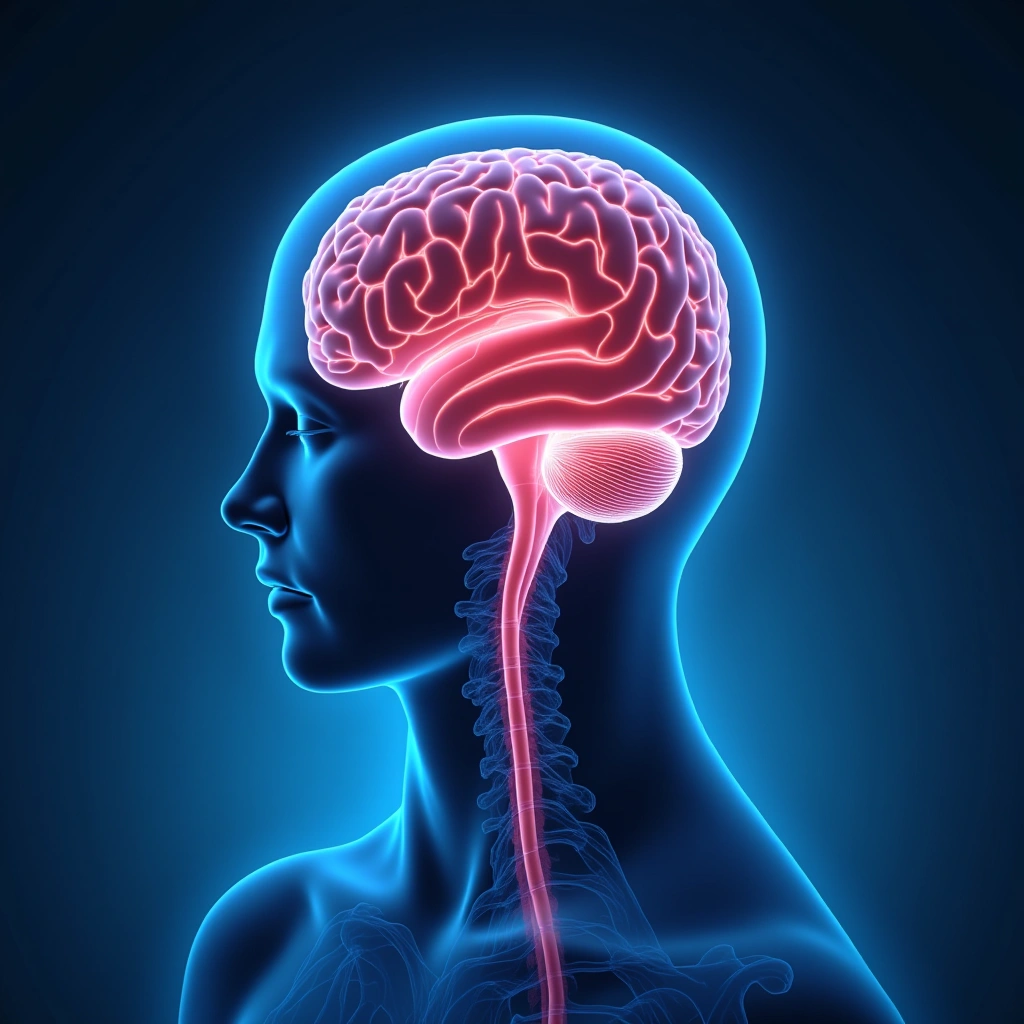
If you’re like me, you probably thought brain transplants were just a plot device in sci-fi movies or a really bad idea for a horror film. But recent clinical trials have thrown a curveball into that narrative by suggesting that stem cell brain transplants might actually be a feasible treatment for Parkinson’s disease. Yes, you heard that right—brain transplants are not just for mad scientists anymore.
Unlike embryonic stem cells, iPCSs are adult cells, such as skin or blood cells, reprogrammed to a "blank slate" state capable of evolving into any type of cell. “We believe that these iPSCs can reliably mature into dopamine-producing brain cells, and offer the best chance of jump-starting the brain’s dopamine production,” said · Xenos Mason, MD, a neurologist who specializes in Parkinson’s disease and other movement disorders with Keck Medicine and co-principal investigator of the study.
Parkinson’s disease is a progressive neurodegenerative disorder that affects movement, leading to tremors, stiffness, and balance issues. It’s like your brain decides to throw a dance party, but instead of busting out the moves, it just ends up doing the robot—awkwardly. While there are treatments available, including medications and therapies, they often come with a side of diminishing returns. That’s where the idea of stem cell transplants comes in.
So, what exactly are we talking about here? Stem cells are the body’s raw materials—essentially the blank slates of the cellular world. They can develop into many different cell types, and scientists are looking at them as a potential goldmine for treating various diseases, including Parkinson’s. The idea is to use these cells to regenerate the dopamine-producing neurons that are damaged in Parkinson’s patients. Think of it as giving your brain a much-needed upgrade, much like how you update your phone’s operating system—only this time, it comes with a side of scalpels and surgical gowns.
The recent clinical trial has shown promising results, suggesting that these stem cell brain transplants are not just feasible but might actually work. Participants in the trial experienced improvements in motor function and a reduction in symptoms. Of course, this is still early-stage research, and we won’t be seeing stem cell clinics popping up next to your local coffee shop just yet. But the potential is there, and that’s something to get excited about.
Now, before you start planning your own brain transplant party, let’s talk about the hurdles that still need to be cleared. First off, there’s the small matter of safety. Any surgical procedure carries risks, and brain surgery is no picnic. There’s also the ethical debate surrounding stem cells, especially those derived from embryos. It’s a tricky subject, and while science marches forward, ethical concerns often do a little cha-cha behind it.
Moreover, we need to ensure that the benefits outweigh the risks. Just because something is feasible doesn’t mean it’s ready to hit the shelves. Think back to when everyone was raving about the latest diet fad—just because something works for a few doesn’t mean it’s the best choice for everyone.
But hey, let’s not rain on the parade just yet! The fact that we’re even discussing stem cell brain transplants as a viable option for treating Parkinson’s is a big step forward in the realm of medical science. It’s a sign that researchers are willing to think outside the box, and who knows? This could be the beginning of a new era in treating neurodegenerative diseases.
In conclusion, while we may not be ready to start booking appointments for a brain transplant just yet, the possibilities are exciting. If nothing else, it gives us all a little more hope for the future—because let’s face it, we could all use a little more hope these days. So, keep your fingers crossed, and who knows? Maybe someday we’ll be saying goodbye to Parkinson’s disease and welcoming a new chapter in brain health. Until then, let’s keep our brains where they belong—safely nestled in our skulls.
Inspired by: “Clinical trial finds stem cell brain transplants feasible for Parkinson’s disease” (r/technology)