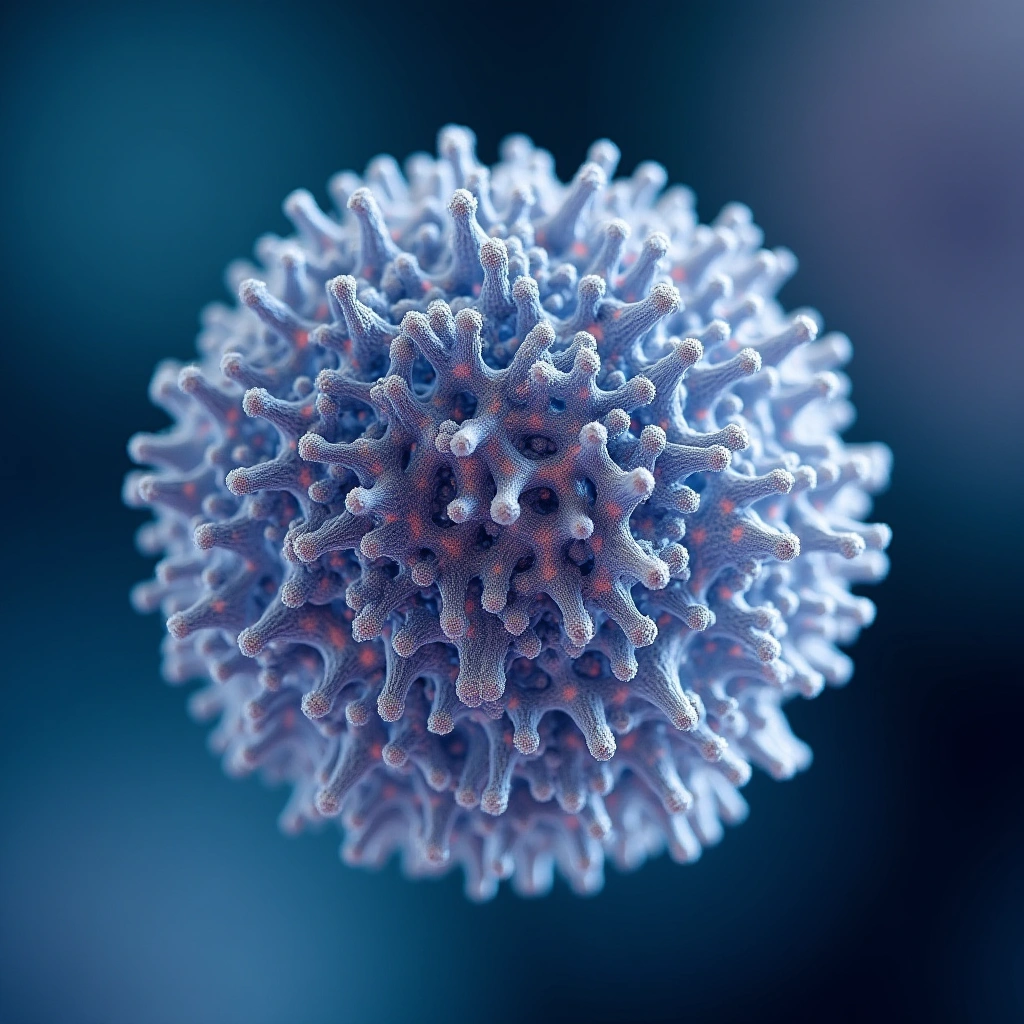
When it comes to cancer research, we often hear about groundbreaking treatments or miraculous drugs that promise to change the game. But what if I told you that tiny silica particles—yes, those little bits of sand you might find on the beach—are stepping into the spotlight as potential cancer fighters? Hold onto your hats, folks, because this is not your average science story.
Tiny silica nanoparticles engineered to seek out prostate cancer caused tumor cells to self-destruct and supercharged the immune system in preclinical mouse studies. Combined with immunotherapy, the treatment produced complete remissions in …
Recently, a study emerged showing that these microscopic silica particles have managed to wipe out aggressive prostate cancer cells in mice. Yes, you read that right. While you were busy scrolling through memes on Reddit, scientists were busy discovering that something as simple as silica could pack a punch against a disease that affects millions.
Now, you might be wondering, “What on earth are silica particles doing in a cancer lab?” Well, silica is often used in a variety of industries, from food to cosmetics, and it has some interesting properties that scientists are now harnessing. In this study, researchers found that these tiny particles can be engineered to deliver drugs directly to cancer cells. Think of them as little delivery drones—if drones were made of sand and didn’t need batteries.
The way it works is quite clever. Silica particles can be coated with therapeutic agents that specifically target cancer cells. When introduced into the body, these particles seek out the cancer cells like a dog looking for a bone. Once they find their target, they release their drug payload, effectively attacking the cancer while leaving healthy cells unharmed. It’s like a stealth mission, but instead of James Bond, you have tiny particles doing all the heavy lifting.
But before we start throwing a parade for silica, let’s keep our excitement in check. While the results in mice are promising, it’s important to remember that what works in mice doesn’t always translate to humans. Mice are not tiny people; they have different biology, so we can’t just assume that this silica strategy will be the next big thing in human cancer treatment. However, the potential is certainly there, and researchers are optimistic.
This discovery has opened up a new avenue for cancer treatment, particularly for aggressive forms of prostate cancer that have few effective therapies. Prostate cancer is no joke—it’s one of the most common cancers among men, and the aggressive types can be particularly tricky to treat. So, if silica can help turn the tide, scientists might just have stumbled upon something that could save lives.
As we await further research and clinical trials, let’s appreciate the fact that even the smallest things can make a huge difference. Who knew that something so unassuming could hold the key to fighting cancer? Now, if only we could get these silica particles to tackle my laundry pile, we’d really be onto something.
In conclusion, while tiny silica particles may not be the superhero we expected, they’re certainly stepping up to the plate. As the research progresses, we can only hope they continue to perform their miraculous feats in the lab. Here’s to science, innovation, and the tiny particles that could change the world—one mouse at a time!
Inspired by: “Tiny silica particles wiped out aggressive prostate cancer in mice” (r/technology)