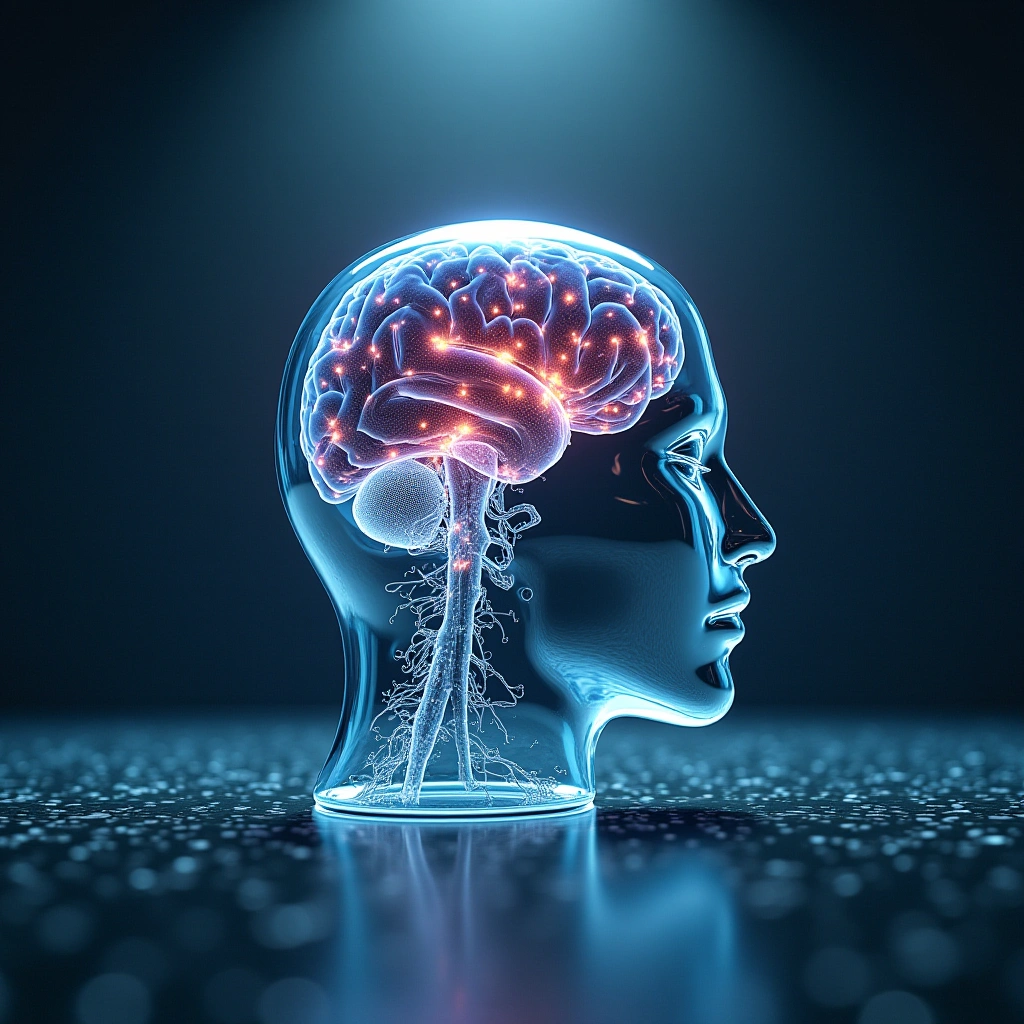
Have you ever found yourself wondering what truly makes us conscious beings? Sure, we all know how to breathe, eat, and binge-watch our favorite shows, but what about that little voice in our heads that keeps us company while we do all that? That’s right, I’m talking about consciousness, and it turns out working memory might be the unsung hero behind it all.
But there’s an even more tantalizing possibility here. When we forget things like our keys, they seem to drop away from our consciousness entirely. This raises the suggestion that working memory and consciousness might go hand in hand.
First, let’s break down what working memory is, shall we? Think of it as your brain’s sticky note—a temporary storage space for information you need right now. It’s the reason you can remember a phone number long enough to dial it, or why you can keep track of the plot twists in your favorite TV series (unless you’re watching ‘Lost,’ in which case, good luck).
Now, researchers have been scratching their heads over the connection between working memory and consciousness for a while. The idea is that working memory isn’t just a handy tool for everyday tasks; it might actually be the stage on which consciousness performs its grand show. Imagine your brain as a theater, with working memory as the spotlight that highlights certain thoughts, experiences, or sensations while leaving others in the dark.
But why does this matter? Well, if working memory is indeed the platform for consciousness, it could explain why our conscious experience can feel so fragmented. Ever had one of those days where you’re juggling a hundred thoughts and yet can’t seem to focus on any of them? That’s working memory doing its best to keep the show running, but with a limited cast of characters.
Moreover, studies suggest that the capacity of our working memory may directly influence our level of consciousness. If you find yourself struggling to remember where you put your keys (again), you might not be fully present in the moment. It’s like trying to watch a movie while someone is constantly changing the channel—frustrating, right?
So, what does this mean for our understanding of consciousness? Well, for starters, it means that we might not be as in control of our conscious experience as we’d like to think. If working memory is the gatekeeper of consciousness, then it’s safe to say that sometimes, the gatekeeper might take a coffee break, leaving us in a daze, trying to remember what we walked into the room for.
But here’s the kicker: acknowledging the role of working memory in consciousness could have some serious implications. From enhancing cognitive therapies to improving educational strategies, understanding how our working memory functions could lead to new ways of boosting our mental capacities. Who knows? Maybe in the future, we’ll have apps that help us train our working memory, turning us into super-conscious beings capable of remembering every detail of our lives—like where we left our keys.
In conclusion, while we might not have all the answers just yet, the link between working memory and consciousness is a fascinating area of exploration. So next time you find yourself lost in thought or struggling to remember that one thing you were supposed to do, just remember: it’s not just you; it’s your working memory doing its best, trying to keep the show on the road. And who knows? Maybe one day, we’ll unlock the secrets of consciousness and finally understand what it means to be truly aware. Until then, keep those sticky notes handy!
Inspired by: “How working memory could give rise to consciousness” (r/technology)