In a world where workplaces seem to be perpetually short-staffed, one factory decided to take a bold step towards solving its labor woes. The solution? Flexibility. Yes, while some companies cling to rigid schedules and outdated practices, this factory opened its doors to a more adaptable work environment, and the results were nothing short of impressive.
A GE Appliances plant in rural northwest Georgia was short hundreds of workers amid COVID-19. A flexible work option where some workers can sign up for shifts through an app has eased the pain.
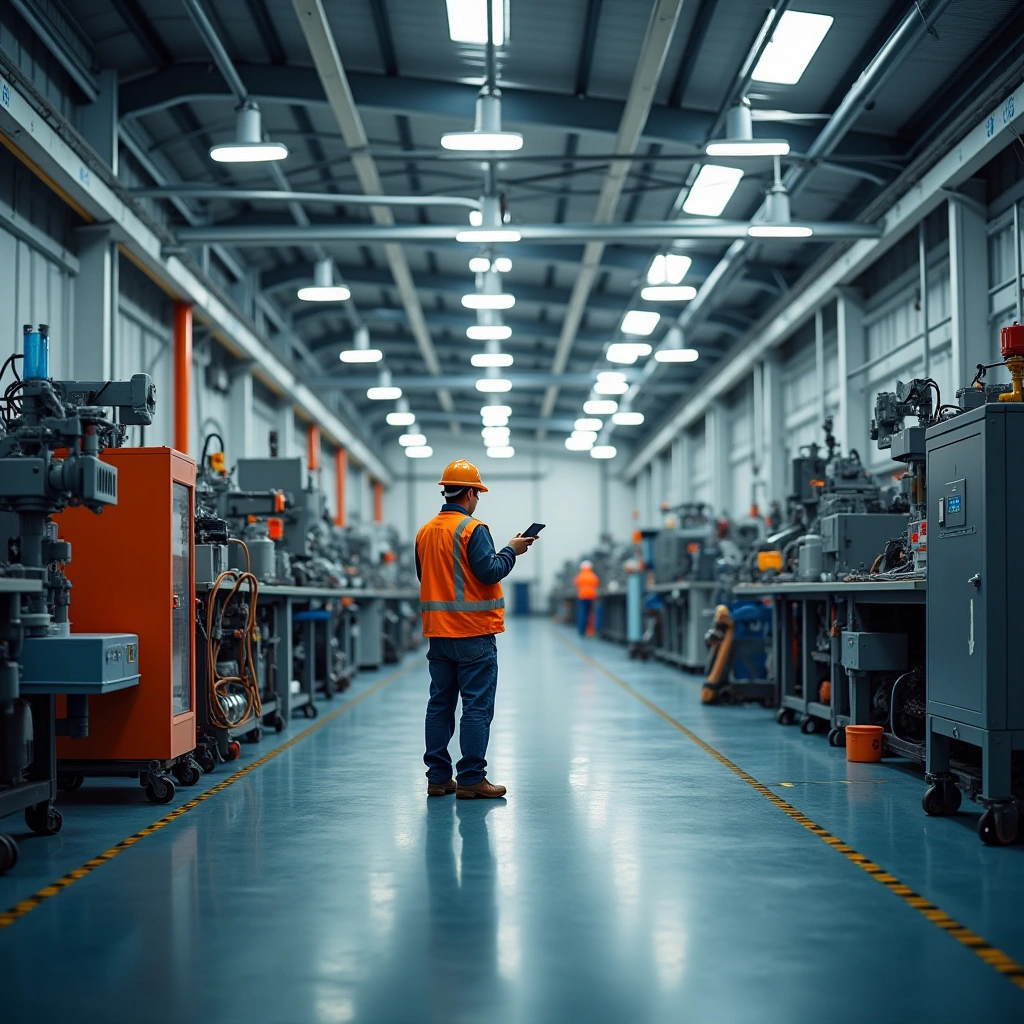
Let’s set the scene: Picture a factory, humming along with machinery and the occasional clanging of metal—kind of like a heavy metal concert, but with fewer groupies and more safety goggles. This factory, like many others, was struggling to find enough workers. The labor shortage was real, folks. We’re talking about a situation where it felt like every job posting was met with the deafening sound of crickets.
So, what did they do? Instead of throwing up their hands in despair or resorting to overly aggressive recruitment tactics (no, sending a marching band to recruit workers is not a viable option), they opted for a more appealing approach: flexible work hours.
Imagine being able to dictate when you come into work—whether you’re an early bird who loves the sunrise or a night owl who thinks 2 PM is the new 9 AM. This factory decided to let employees pick their shifts, allowing them to balance their personal lives and responsibilities. It’s the kind of arrangement that makes you wonder why more companies haven’t jumped on this bandwagon.
And guess what? It worked! Workers flocked to the factory like it was a Black Friday sale on the latest gadgets. With the promise of flexible hours, employees felt more valued and less like cogs in a machine (pun intended). They no longer had to choose between their jobs and personal commitments, which is a win-win in anyone’s book.
But let’s not kid ourselves; this wasn’t just about being nice. The factory also saw a boost in productivity. Happy workers are productive workers, and with flexibility came a renewed sense of motivation. It’s almost like they realized that being treated like an adult who can manage their own time leads to better outcomes. Who would have thought?
Of course, this isn’t to say that implementing flexible work is a silver bullet for every industry. Some jobs require a certain level of physical presence—like, you know, working in a factory. But with the right approach, many sectors could benefit from this model.
In conclusion, this factory’s tale is a reminder that adaptability can be the key to overcoming modern workplace challenges. If you’re still operating on an outdated 9-to-5 schedule, it might be time to take a page from their book. After all, if a factory can figure it out, surely we can too. So, to all the employers out there: let’s embrace the flexibility and watch as the workforce comes pouring in—hopefully without the need for a marching band.
Inspired by: “NPR: This factory was severely short on workers. Then it offered flexible work” (r/technology)