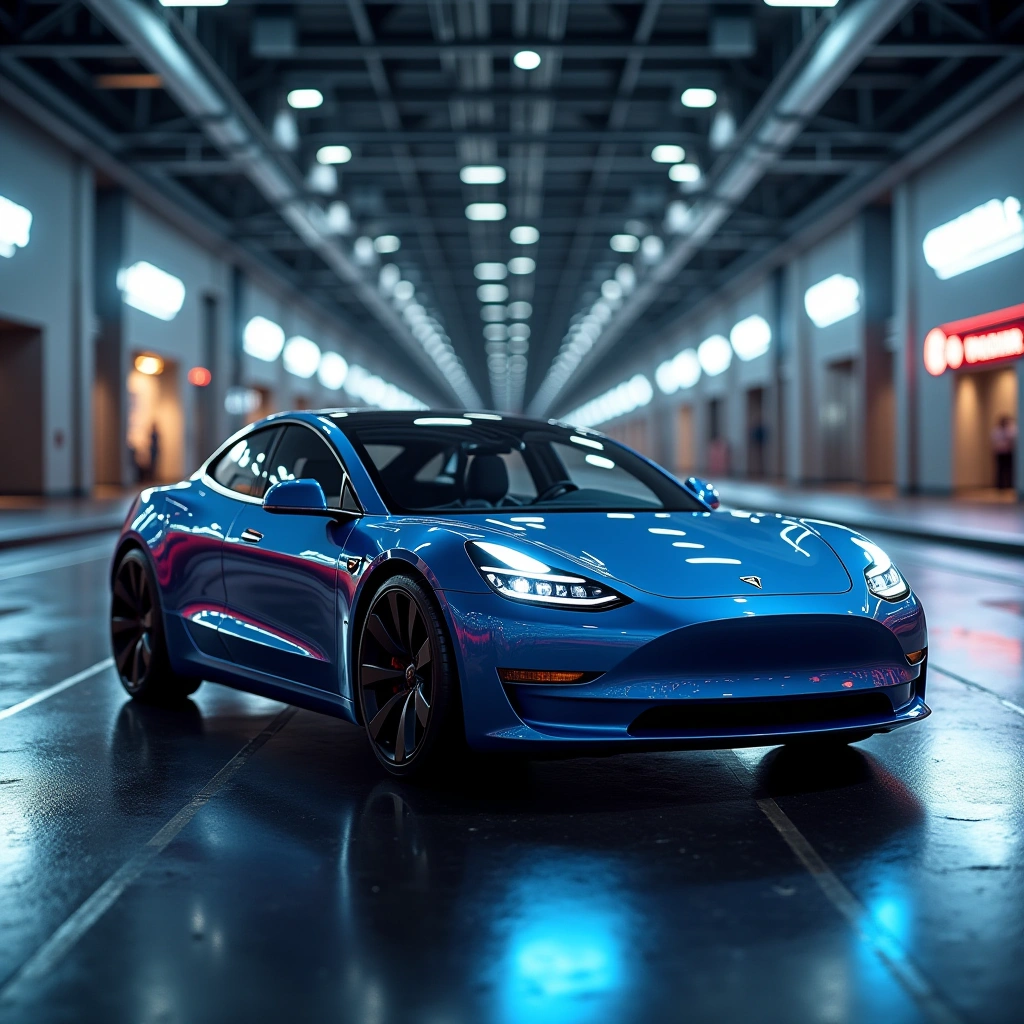
If you thought the battle for the future of transportation was only about electric vehicles, buckle up, because New Jersey has thrown a new wrench into the gears with a proposed robotaxi law that could potentially sideline Tesla. Yes, you heard that right! The Garden State is all in on driverless cars, but they have one tiny, little requirement: those cars need to have lidar. And guess what? Tesla has decided that they’re going to go all-in on their camera-only approach. Talk about a plot twist!
The tradeoff is about how you try to build robotaxi software with a lot of less capable sensor packages vs. fewer but more capable sensor packages driving on the roads. That leads to a set of tradeoffs that ends, at least for now, in a choosing whether to use E2E machine learning or a more segmented architectural approach. Lidar is just the first question in a much bigger, more complex, intertwined set of design choices. Tesla is taking a higher-risk/higher-reward path.
Now, let’s break this down. Lidar, or Light Detection and Ranging, is that fancy technology that uses lasers to create a detailed 3D map of the environment. Think of it as the robot’s version of having superpowers. It can see in the dark, measure distances with incredible precision, and generally make the roads a safer place. Meanwhile, Tesla’s autopilot relies on an array of cameras and sensors, which might sound like a budget-friendly option when compared to the high-tech laser beams of lidar. But hey, who needs fancy gadgets when you’ve got an army of cameras, right?
New Jersey is not alone in its love affair with lidar; many states are gravitating towards this technology, viewing it as the gold standard for autonomous driving. They argue that lidar provides a level of precision and reliability that camera systems simply can’t match. So, it’s no wonder that New Jersey officials are waving their arms and saying, “Hey! If you want to operate here, you need to bring the lasers!”
Now, Tesla isn’t just some random kid on the block; they’re the ones who have been shaking things up in the automotive world. But with New Jersey’s law, they might find themselves in a bit of a pickle. It’s like trying to enter a fancy restaurant wearing flip-flops when the dress code clearly states ‘no shoes, no service.’ What’s a company known for pushing boundaries to do when faced with such regulations?
There’s a lot at stake here. If Tesla can’t operate in New Jersey, they could lose a significant market, not to mention the potential for innovation and development in the state. So, what’s their plan? Will they cave and start integrating lidar into their vehicles, or will they stand firm with their camera-only approach, like a stubborn toddler refusing to eat their vegetables?
And let’s not forget the potential implications for the rest of the industry. If New Jersey sets a precedent that favors lidar, other states might follow suit. It could lead to a fragmented regulatory environment where companies must adapt to different rules in different states, which sounds about as fun as a root canal.
On the flip side, it could push Tesla to innovate even further. After all, if they can prove that their camera systems are just as effective as lidar, they could come out on top, waving their cameras like a victory flag at the end of a marathon. But until then, we’re left with a cliffhanger: will Tesla adapt, or will they be left out in the cold while other companies bask in the warm glow of lidar?
So, as we sit back and watch this drama unfold, one thing is for sure: the future of driverless cars is going to be anything but boring. Whether it’s lasers or cameras, we’re in for a wild ride. And who knows, maybe one day we’ll look back and laugh at how we ever doubted the power of a good ol’ camera. But for now, it’s game on in New Jersey, and the stakes couldn’t be higher!
Inspired by: “The robotaxi law that could ban Tesla / New Jersey wants driverless cars, so long as they have lida…” (r/technology)