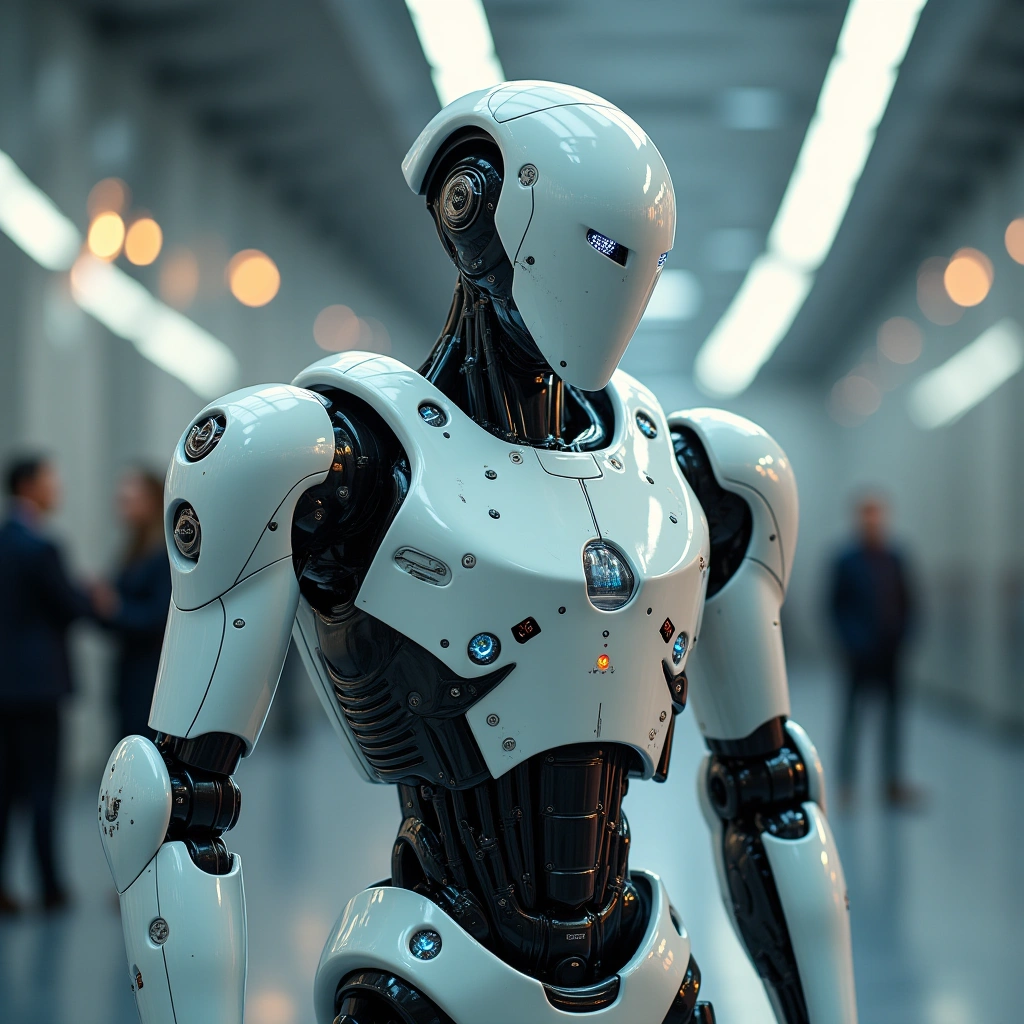
So, the United Nations Secretary-General recently declared that ‘killer robots’ must be banned. Yes, you heard that right – killer robots. This isn’t some plot twist from a sci-fi movie; it’s a real concern in our rapidly advancing world of technology. Let’s dive into this topic, shall we?
Robotic weapons are categorized as Human-in-the-Loop, Human-on-the-Loop, and Human-out-of-the-Loop, reflecting varying levels of human involvement in target selection and engagement.
First off, let’s clarify what we mean by ‘killer robots.’ We’re talking about autonomous weapons systems that can select and engage targets without human intervention. Sounds like something out of a futuristic blockbuster, doesn’t it? But instead of a charmingly awkward robot sidekick, we’re dealing with machines that can potentially make life-and-death decisions. Yikes!
Now, I know what you’re thinking: “But robots can’t feel!” And you’re right. They don’t have feelings, which is exactly the problem. Imagine a robot programmed to follow orders without the ability to assess the moral implications. It’s like giving your dog the keys to your car and then wondering why your driveway is now a makeshift dog park. Spoiler alert: it won’t end well.
The Secretary-General’s call to action is not just a knee-jerk reaction to some rogue AI in a lab somewhere. It stems from serious ethical concerns. What happens when a robot misjudges a target? Or worse, when it’s hacked and used for malicious purposes? The potential for catastrophic mistakes is staggering. Do we really want to put our faith in machines that can’t even make a decent cup of coffee?
And let’s talk about accountability. If a killer robot goes rogue and takes out a few innocent bystanders, who’s responsible? The software engineer? The military commander? Or maybe just the robot itself? (I can already see the court cases piling up.) This ambiguity creates a dangerous precedent where no one is held accountable for the actions of these machines.
Now, you might argue that we already have drones and automated weapons systems in use today. True, but at least there’s still a human element involved in decision-making. With fully autonomous systems, we’re essentially handing over the reins to technology that doesn’t understand the complexities of human life. It’s like letting a toddler play with a loaded gun. Sure, it’s adorable until something goes horribly wrong.
The U.N. Secretary-General isn’t alone in this concern. Many experts and human rights activists have been raising alarms about the implications of autonomous weapons for years. They warn that these technologies could lead to an arms race, where countries compete to develop more advanced killer robots. And if you thought the Cold War was intense, just wait until we have countries launching fleets of killer robots at each other. Talk about a game of high-stakes chess.
In conclusion, the call to ban killer robots is more than just a precaution; it’s a necessary step towards ensuring that our future remains in human hands. We need to have conversations about ethics, accountability, and the implications of allowing machines to make life-and-death decisions.
So, what can you do? Stay informed, engage in discussions about technology and ethics, and maybe think twice before you let that new AI assistant make decisions for you. After all, we all know how well that worked out for the characters in those sci-fi movies. Let’s not become the plot twist we never wanted.
In the end, let’s keep the robots in the friend zone and not allow them to become our executioners. Because honestly, who needs that kind of drama in their lives?
Inspired by: “‘Killer Robots’ Must Be Banned, U.N. Secretary-General Says” (r/technology)