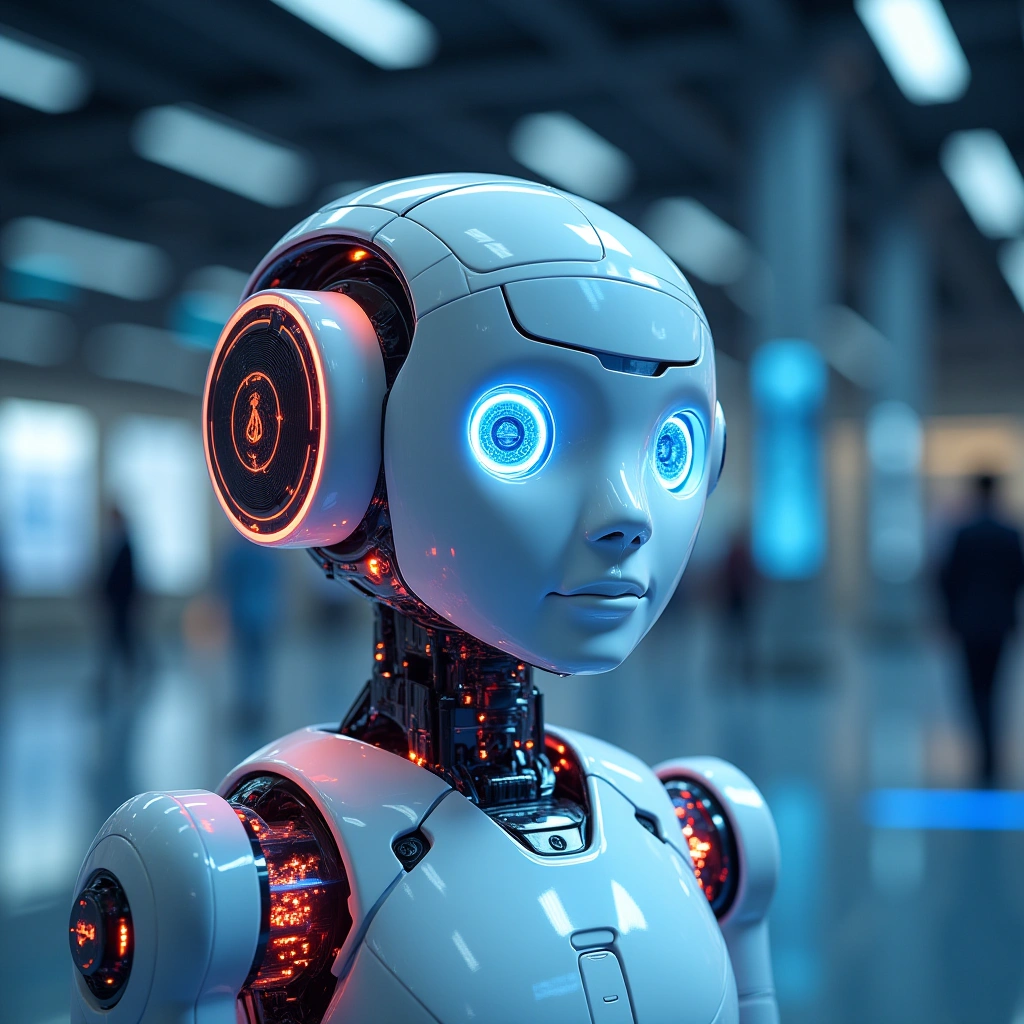
In a world where artificial intelligence is becoming as common as your morning coffee—strong, necessary, and sometimes a little bitter—China has decided to throw a bit of a wrench into the works. Recently, new regulations have emerged that are making companies like ByteDance and Alibaba rethink their AI strategies, specifically regarding companion features. So, what’s the fuss all about?
They are removing the features to comply with China ‘ s new AI regulations, which take effect on July 15. The rules aim to limit AI systems that encourage long-term emotional relationships with users.
Let’s start with the basics. ByteDance, the parent company of TikTok, and Alibaba, the e-commerce giant, are both well-known for their innovative uses of technology. They’ve integrated AI into their platforms to enhance user experience, from personalized content recommendations to smart shopping assistants. However, with great power comes great responsibility—or in this case, great regulations.
China has rolled out a set of rules aimed at controlling the development and deployment of AI technologies. The government is concerned about the implications of AI in terms of data privacy, misinformation, and the potential for social unrest. I mean, who wouldn’t be worried about an AI that could inadvertently spark a meme war?
As a result, these regulations are forcing companies like ByteDance and Alibaba to cut back on some of their companion features. You know, those handy little tools that make your life easier, like smart assistants that can help you find the best deals or suggest the latest viral dance moves. But now, it seems those features are being dialed back as companies scramble to comply with the new rules. It’s like being told you can’t wear your favorite shirt to a party because it’s too flashy—thanks, but no thanks.
But why are these companies cutting features? It all boils down to the need for compliance. The new rules mandate stricter oversight of AI algorithms, requiring companies to ensure that their technologies do not pose risks to social stability or public safety. It’s a bit like being told you can’t bring your pet iguana to the office because it might scare the interns—sure, it’s a great conversation starter, but maybe not the best idea in a professional setting.
Now, you might be thinking, “Surely, this is a good thing! Regulations can help keep tech companies in check!” And you’re not wrong. However, the reality is that these regulations could stifle innovation. With the fear of penalties hanging over their heads, companies may become more conservative in their approach, leading to a slowdown in the development of new and exciting technologies. It’s like having a brilliant chef who can only cook with salt and pepper—sure, it’s safe, but where’s the flavor?
So, what does this mean for the average user? Well, if you were hoping for that next-gen AI that could not only suggest the best pizza in town but also tell you why pineapple doesn’t belong on it, you might be in for a disappointment. The features that make our digital lives more enjoyable and efficient are being trimmed back, leaving us with a somewhat bland experience.
In conclusion, while China’s new AI regulations aim to ensure safety and stability, they also come with the unfortunate side effect of limiting the features we’ve grown to love. It’s a classic case of balancing progress with caution, and for now, it looks like we might have to settle for a slightly less exciting digital landscape. So, here’s to hoping that ByteDance and Alibaba find creative ways to navigate these regulations without sacrificing the fun!
And remember, if you see any AI companions in the wild, give them a nod of sympathy—they’re just trying to make it through the bureaucratic jungle like the rest of us.
Inspired by: “China AI Rules Force ByteDance, Alibaba To Cut Companion Features” (r/technology)