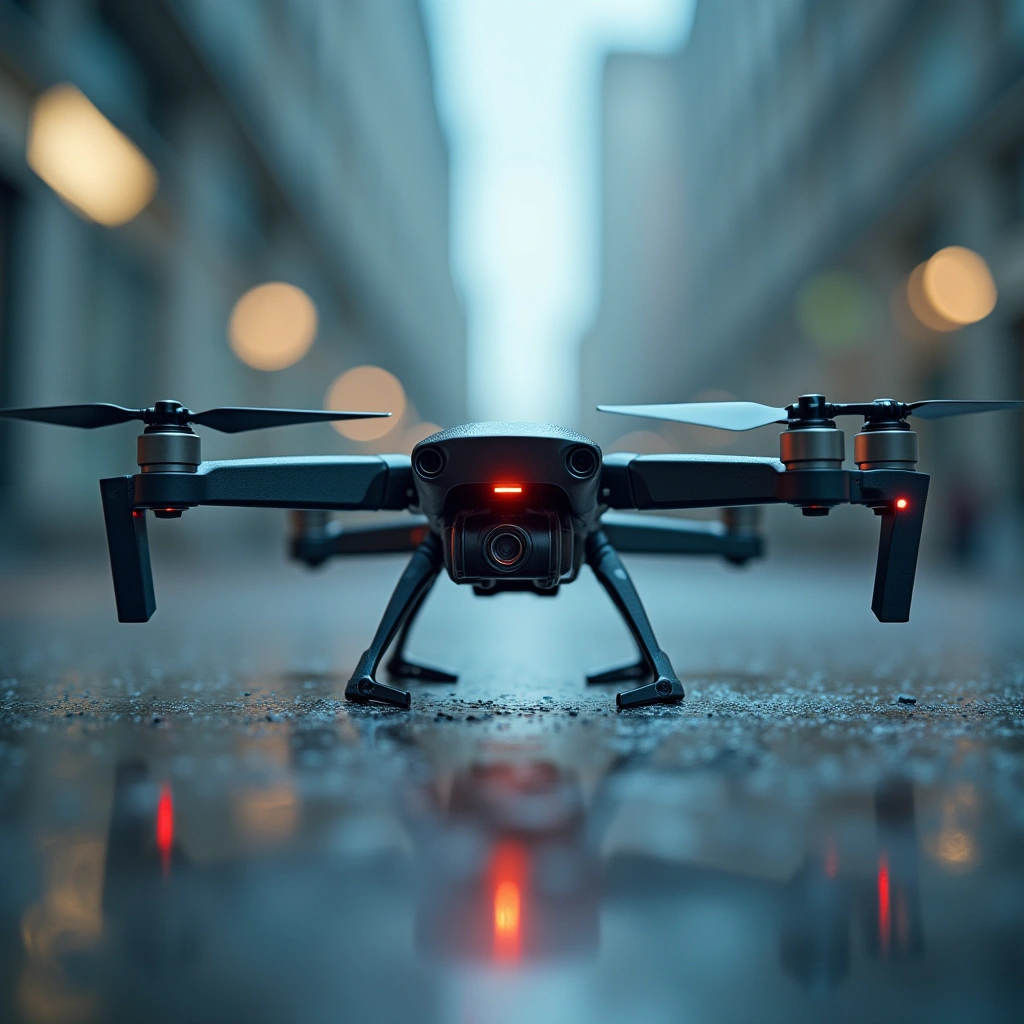
Imagine a world where drones can sense when they’re about to crash, like a cat that knows it’s about to land on its feet. Sounds a bit far-fetched, right? Well, researchers are exploring the intriguing possibility of giving drones a sense of ‘pain’—not in the way you might think, of course. This isn’t about strapping a tiny band-aid on a drone’s arm or having it wail in agony. Instead, it’s about equipping these flying machines with sensors that can detect instability and predict potential failures before they happen.
The pain tells you: "If you continue running like normal, the injury will only get worse." So you naturally adjust the way you run. Drones currently cannot do this with a worn-out propeller.
Now, before you roll your eyes and think this is just another sci-fi fantasy, let’s break it down. The concept of drones feeling pain is more about creating a feedback system that mimics the way living organisms react to harmful stimuli. In humans and animals, pain is a signal that something is wrong. It’s our body’s way of saying, “Hey, maybe don’t stick your hand in that blender!” In the drone world, this could mean using advanced sensors to monitor structural integrity, battery health, and even environmental factors that could lead to a crash.
The implications of this technology are enormous. Imagine a drone that can sense when it’s flying into a storm or when its battery is about to die. It could make real-time decisions to either return home safely or adjust its flight path to avoid disaster. Not only would this increase safety, but it could also enhance the efficiency of drone operations across various industries—from delivery services to search and rescue missions.
But let’s not get too carried away. While the idea of drones with a sense of pain sounds futuristic and cool, we’re not quite there yet. Researchers are still in the early stages of developing these systems. There’s a lot to consider, like how to integrate these sensors without making drones too heavy or complicated. After all, we want drones that can zip around, not ones that are weighed down by a bunch of fancy gadgets.
Moreover, there’s a philosophical question lurking in the background: Do we really want to give machines a sense of pain? It might sound like a good idea now, but what happens when a drone decides it’s ‘feeling’ overwhelmed and just decides to take a break? “Sorry, I can’t deliver your pizza right now. I’m feeling a bit unstable.”
In conclusion, while giving drones a sense of pain might not be the most traditional approach, it could lead to smarter, safer flying machines in the future. Just remember, if you see a drone hovering around looking a bit distressed, don’t be alarmed. It’s just trying to figure out if it’s about to crash or if it’s having a mid-air existential crisis. Who knew drones could be so dramatic?
Inspired by: “Giving drones a sense of ‘pain’ could help them predict instability before it happens” (r/technology)