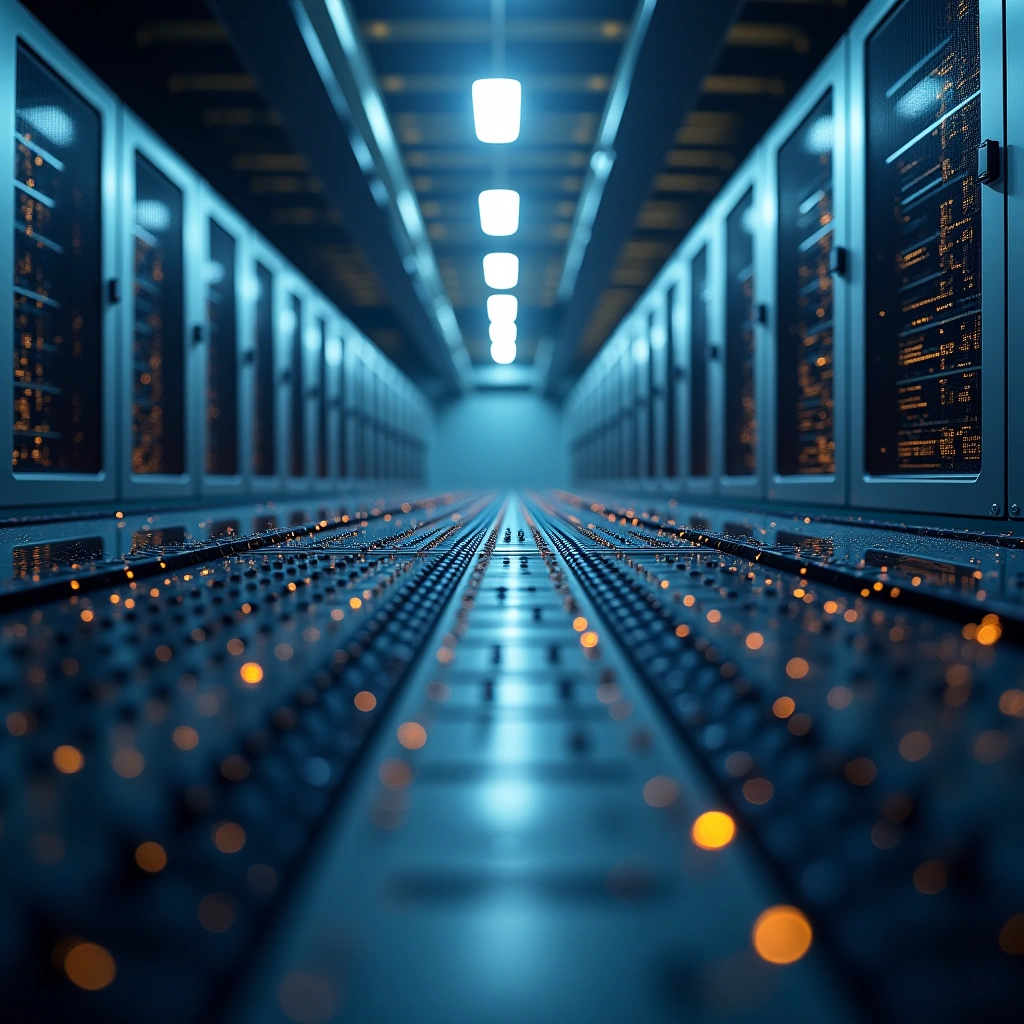
So, let’s talk about AI data centers. You know, those gigantic buildings that hum with the sound of a million servers working away, probably plotting to take over the world—or at least, to help you find the best cat memes on the internet. But for many rural Americans, these tech behemoths are less about the latest advancements in artificial intelligence and more about the potential drain on their wallets.
A survey found rural Americans are mostly worried that new AI data centers will impact their bottom line. Some politicians are starting to hear them.
It seems like AI data centers are popping up everywhere, and while they promise advancements and jobs, they also come with a hefty price tag. The concern? Rural areas might end up footing the bill while tech companies reap the benefits. In a world where the digital landscape is expanding faster than your Aunt Edna’s collection of ceramic frogs, it’s no wonder folks in these communities are raising their eyebrows.
Let’s break it down. First off, data centers require a crazy amount of electricity—think enough to power a small city. This demand can lead to increased utility costs, which is a big deal when you’re already trying to keep the lights on in your farmhouse. Imagine getting your monthly bill and feeling like you just bought a small car instead of paying for your electricity. Not exactly the kind of surprise anyone is looking for.
Then there’s the issue of infrastructure. Rural areas often have limited resources and aging infrastructure. So, when a shiny new data center comes to town, it might seem like a golden opportunity. But those roads, water systems, and internet connections need to be updated to handle the influx of workers and traffic. And guess who gets to foot that bill? Spoiler alert: It’s probably not the tech giant that just set up shop down the road.
On top of that, there’s the question of job creation. Sure, data centers can bring in some jobs, but they’re often not the high-paying, sustainable positions that locals hope for. Many of the jobs are technical and require specialized skills that current residents may not possess. So, while the center may employ a few locals, it’s likely not going to solve the broader economic issues that rural communities face. It’s like getting a new neighbor who throws wild parties but never invites you—great for them, not so much for you.
And let’s not forget the environment. More data centers mean more energy consumption, which can lead to an increase in carbon footprints. Rural Americans, who often have a deep connection to their land and environment, may find this particularly troubling. It’s a bit like inviting a bull into a china shop; things are bound to get broken, and no one wants to deal with the aftermath.
Of course, it’s not all doom and gloom. Some argue that these data centers can be a boon for local economies if managed correctly. They can bring investment, infrastructure improvements, and even new residents who are looking for a quieter life away from the city hustle. It’s a delicate balance—like trying to walk a tightrope while juggling flaming swords.
In conclusion, the arrival of AI data centers in rural America is a mixed bag. There are valid concerns about costs, infrastructure, and environmental impact, but there’s also potential for growth and development. As with many things in life, it’s all about finding that sweet spot where everyone benefits. So, as rural communities look to the future, it’s crucial to have open conversations with tech companies to ensure that the wallets of local residents aren’t left feeling a little too light. After all, nobody wants to end up in the poorhouse just because they were trying to keep up with the tech trends.
Inspired by: “Rural Americans say they’re worried AI data centers will drain their wallets” (r/technology)