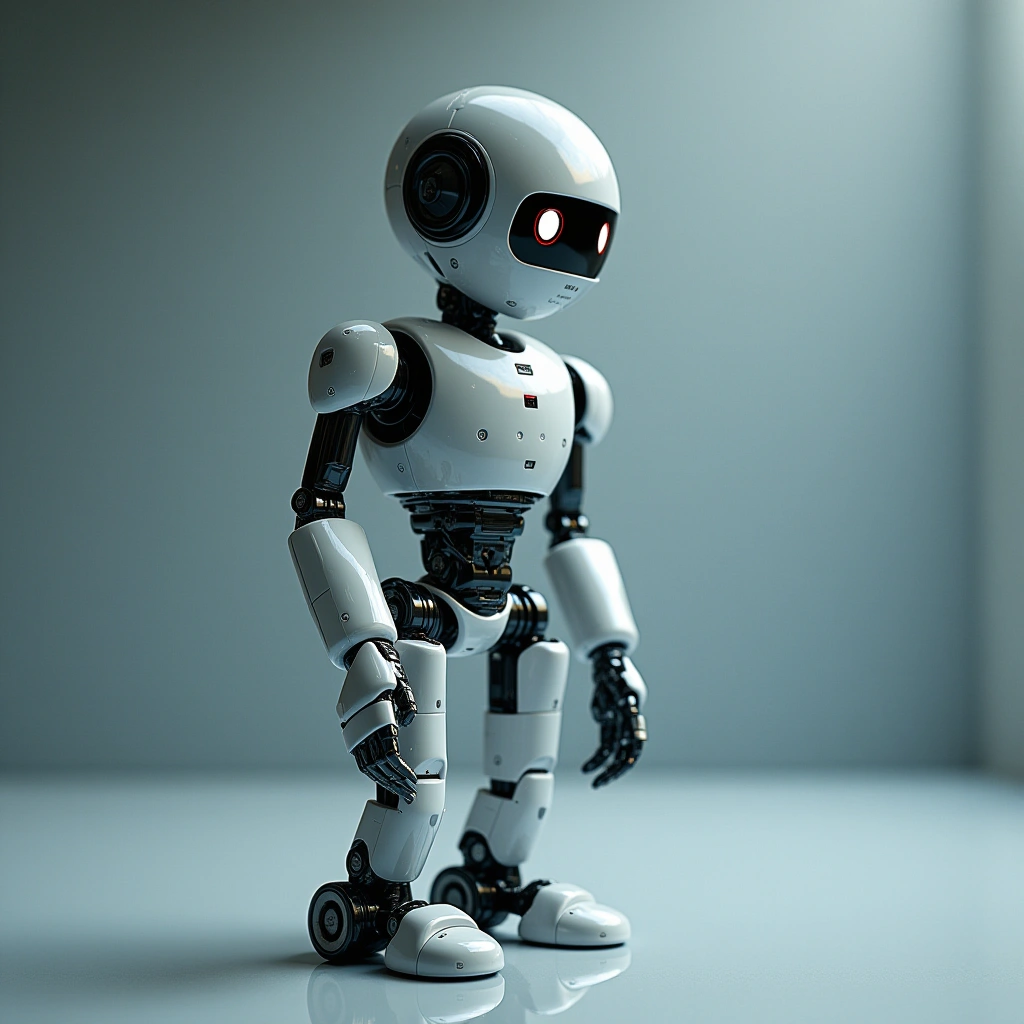
In a move that could make even the most skeptical of sci-fi fans raise an eyebrow, China has introduced humanoid robots that have just processed a staggering 17,625 tablets in a real factory setting. Yes, you read that right. We’re not talking about tablets you take for a headache; these are the kind that are likely to be part of your next prescription. Now, before you start hoarding your job titles like they’re rare Pokémon cards, let’s unpack what this means for the future of labor automation.
Humanoid robots are advancing rapidly due to AI integration, with Goldman Sachs projecting a $38 billion market by 2035 and Tesla aiming for 1 million annual units within five years. While these machines excel at repetitive physical tasks in structured environments like manufacturing and logistics, experts note a significant "data gap" means they lack the dexterity for complex trades or unstructured domestic work. Consequently, most analysts predict they will primarily fill labor shortages** rather than immediately displacing the majority of the workforce, though jobs involving routine manual labor face the highest risk.
First off, let’s give credit where credit is due. These robots, designed with a level of precision and efficiency that would make even the most meticulous human worker jealous, are a testament to how far technology has come. They can handle tasks that require repetitive motions and a steady hand—qualities that, let’s be honest, not all humans possess. (I mean, have you seen my attempts at pouring coffee?)
But what does this mean for the average worker? Are we on the brink of a robot uprising where our future overlords will make us their coffee-fetching minions? Or is this just a fancy way to boost productivity while we sit back and relax? The truth likely lies somewhere in between.
Automation has been a hot topic for decades, and while some jobs might be at risk, the reality is that technology often creates new opportunities as it eliminates old ones. For instance, as robots take over more mundane tasks, humans can focus on more complex and creative endeavors. Think about it: if robots handle the drudgery, we could finally have the time to work on that novel we’ve been putting off since college—or at least binge-watch that new series on Netflix without guilt.
Moreover, there’s a certain charm to these humanoid robots that can’t be overlooked. With their shiny exteriors and relentless efficiency, they might just become the new coworkers we never knew we needed. Imagine a world where your office buddy is a robot that never steals your lunch or forgets to refill the printer. Sounds like a dream, right?
However, it’s not all sunshine and rainbows. The introduction of robots in the workforce raises some valid concerns about job displacement and economic inequality. After all, not everyone can transition into a tech-savvy role where they manage these bots. And let’s face it, not all of us are cut out for a career in programming. (I still struggle with my smartphone sometimes.)
So, what’s the takeaway from all this? While the idea of humanoid robots processing thousands of tablets might sound like the beginning of a dystopian future, it’s also a step towards a more efficient and innovative workforce. It’s essential for society to adapt and find a balance between embracing technology and ensuring that everyone has a place in this new landscape.
In conclusion, as we watch China lead the way in automating labor with humanoid robots, let’s keep our sense of humor intact. After all, if we can’t laugh about the possibility of being replaced by a robot, what’s the point? And who knows? Maybe one day, we’ll be calling these robots our colleagues rather than our competitors. Just keep an eye on your lunch, just in case.
Inspired by: “China’s humanoid robots just processed 17,625 tablets in a real factory. Is this the beginning of l…” (r/technology)