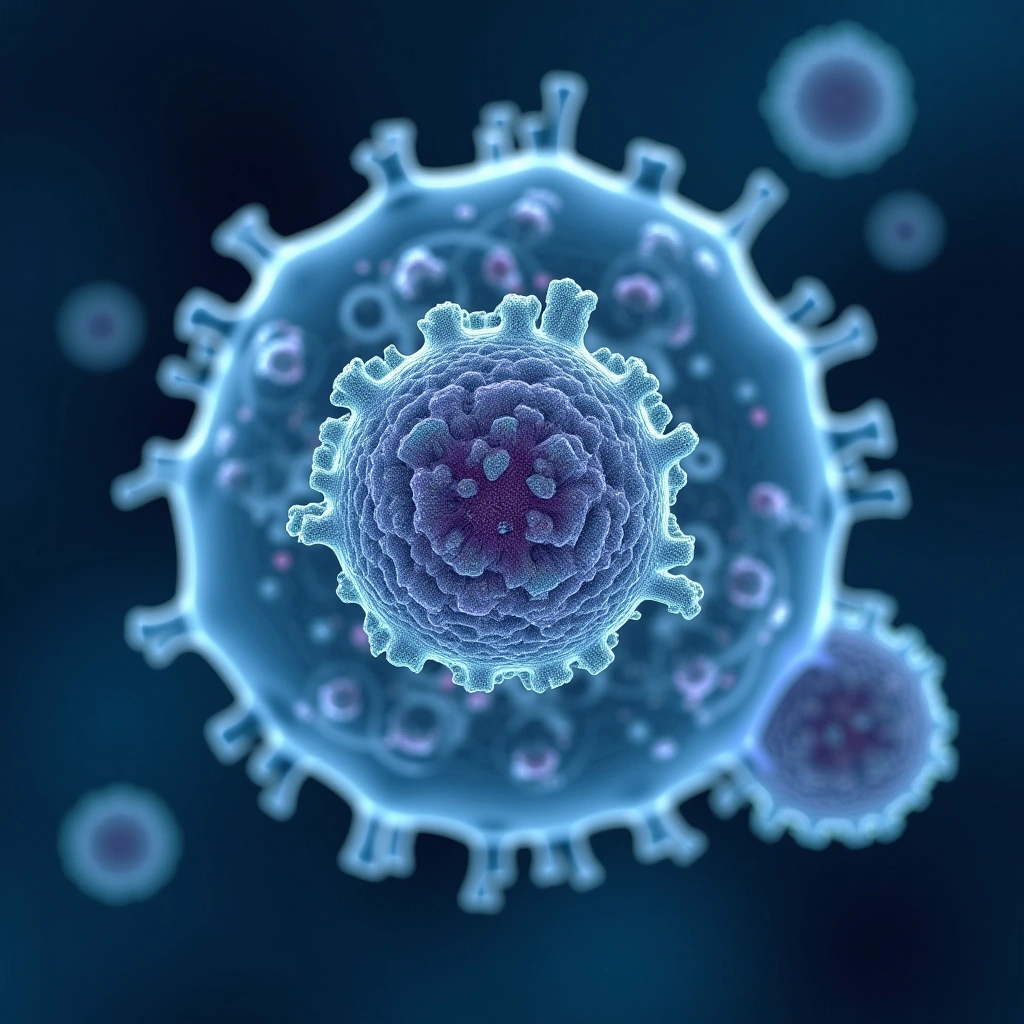
If you’ve ever watched a sci-fi movie and thought, “Wow, I wish that was real,” then buckle up because science is about to take you on a wild ride. Researchers have just unveiled the world’s first synthetic cell that boasts a complete life cycle. Yes, you heard that right! This isn’t just your average cell that hangs out in a Petri dish; it’s got aspirations, dreams, and a full-on life plan.
SpudCell, developed by researchers at the University of Minnesota, is the first synthetic cell constructed entirely from non-living chemical components that can grow, feed, replicate its DNA, and divide. Unlike previous synthetic biology efforts that relied on modifying existing organisms, this cell replicates the complete life cycle of a biological entity using a minimal, modular genome. This breakthrough demonstrates that fundamental life behaviors can be engineered from scratch, potentially revolutionizing biological engineering for medicine and industrial applications.
Now, you might be wondering why this is such a big deal. After all, cells have been around since the dawn of time, right? Well, yes, but here’s the kicker: this synthetic cell is like the Swiss Army knife of biological engineering. It opens up a world of possibilities in various fields, from medicine to environmental science, and yes, even to your weekend DIY projects (okay, maybe not that last one).
So, what exactly does it mean to have a synthetic cell with a complete life cycle? In simple terms, this cell can grow, replicate, and even die, much like the cells that make up your body. Researchers have essentially programmed it to undergo the same stages of life that natural cells do. Think of it as the cell version of a Netflix series—complete with seasons, cliffhangers, and possibly a spin-off.
The implications of this breakthrough are staggering. For starters, it could revolutionize how we approach disease treatment. Imagine creating synthetic cells that can target and destroy cancer cells while leaving healthy ones unharmed. Sounds like a plot twist straight out of a superhero movie, right? But this is real life, folks!
Additionally, synthetic cells could be used to produce biofuels, break down pollutants, or even serve as miniature factories that produce valuable chemicals. It’s like having a tiny employee that never asks for a lunch break. Who wouldn’t want that?
Of course, with great power comes great responsibility. The ethical implications of creating synthetic life forms are a hot topic. Some folks are raising eyebrows, worried about the potential for misuse. Will we end up with a real-life version of Jurassic Park? Or worse, could we create a cell that just wants to binge-watch reality TV all day? (Okay, that last one might not be scientifically plausible, but you get the point.)
As we stand on the brink of this exciting new frontier in biological engineering, it’s essential to approach it with caution and a sense of humor. After all, if we’re going to be playing God, we’d better make sure we do it right. So, the next time you hear someone say, “Let’s make a synthetic cell,” just remember: it’s not just a science experiment; it’s the beginning of a whole new chapter in the story of life.
In conclusion, the world’s first synthetic cell with a complete life cycle isn’t just a scientific achievement; it’s a potential game-changer. Who knows what the future holds? If this is just the beginning, we might soon find ourselves in a world where synthetic cells are as common as your neighbor’s cat. And let’s be honest, at least synthetic cells won’t knock over your trash can. Here’s to a future filled with possibilities—and hopefully, fewer messes!
Inspired by: “World’s first synthetic cell with a complete life cycle could revolutionize biological engineering.” (r/technology)