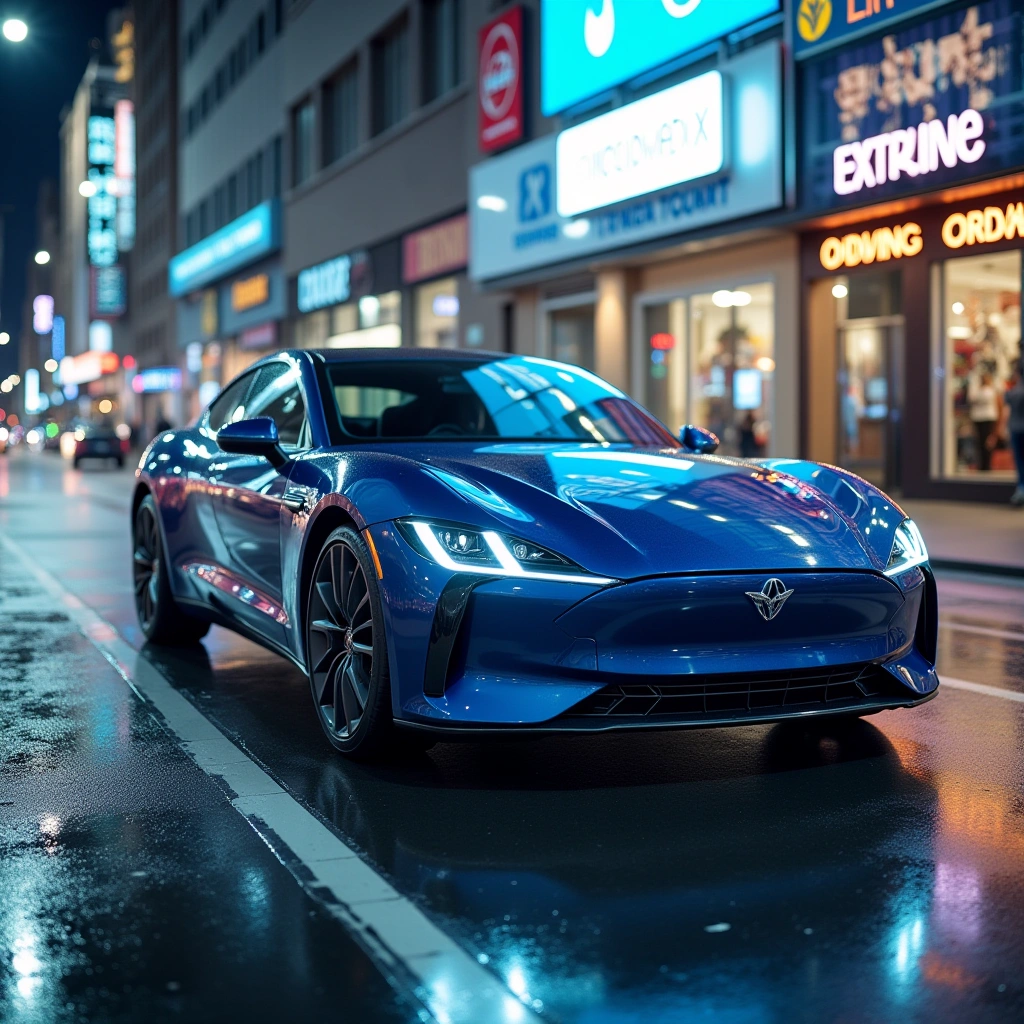
So, here we are, in a world where hybrids are the hot new thing, and Detroit’s carmakers seem to be sitting this one out. It’s like showing up to a party where everyone is dancing to the latest hits, and you’re stuck in the corner sipping on a lukewarm soda, wondering if you should’ve just stayed home.
Detroit’s historical dominance in automotive manufacturing collapsed due to a combination of poor quality control, failure to adopt statistical process improvements like SPC, and missed opportunities during the 1970s oil crises. Automakers prioritized short-term profits over innovation, allowing Japanese and German competitors to capture market share with more efficient, reliable vehicles while Detroit struggled with outdated designs and rising costs.
Let’s break it down. The demand for hybrid vehicles has been skyrocketing. Consumers are increasingly looking for fuel-efficient options that don’t require them to sell a kidney to fill up the tank. But while companies like Toyota and Honda are cranking out hybrids like there’s no tomorrow, the Detroit Big Three—Ford, GM, and Stellantis—are lagging behind. It’s almost as if they’ve mistaken the hybrid craze for a passing fad, like bell-bottom pants or dial-up internet.
You might wonder why this is happening. Well, it appears that Detroit has been a bit too focused on their gas-guzzling trucks and SUVs. Sure, they’re great for hauling stuff, but they also guzzle gas like it’s going out of style. Meanwhile, consumers are starting to realize that maybe they don’t need a vehicle that doubles as a small house.
The hybrid market is not just a trend—it’s a movement. People want to drive cars that are kinder to the environment and easier on the wallet. But instead of jumping into this booming market, Detroit seems to be taking a leisurely stroll, probably stopping to admire their own reflections in the shiny chrome of their trucks.
Now, one could argue that carmakers are simply following the money. After all, it’s hard to turn down those hefty profits from full-size pickups. But let’s be real: ignoring the hybrid market could be a long-term misstep. It’s like ignoring the fact that your favorite restaurant has opened a new vegan menu—sure, you love your steak, but it might be worth checking out that quinoa salad once in a while.
And it’s not just about catching up with the competition. Embracing hybrids could open up a whole new world of innovation for Detroit. Think about it: hybrid technology could lead to advancements in electric vehicles, which is where the future is headed. But instead, it feels like Detroit is playing a game of catch-up with their hands tied behind their backs.
So, what’s the takeaway here? If Detroit wants to stay relevant in this rapidly changing automotive landscape, they need to shift gears—pun totally intended. Embracing hybrid technology might just be the ticket to not only meeting consumer demand but also ensuring they don’t get left behind in the dust of their competitors.
In summary, while the rest of the world is busy zooming ahead with hybrids, Detroit needs to stop admiring their own trucks and start thinking about the road ahead. Otherwise, they might find themselves at a party where no one’s dancing, and everyone’s already left for the afterparty at the electric vehicle show.
Inspired by: “Detroit Carmakers Mostly Miss Out on Booming Demand for Hybrids” (r/technology)