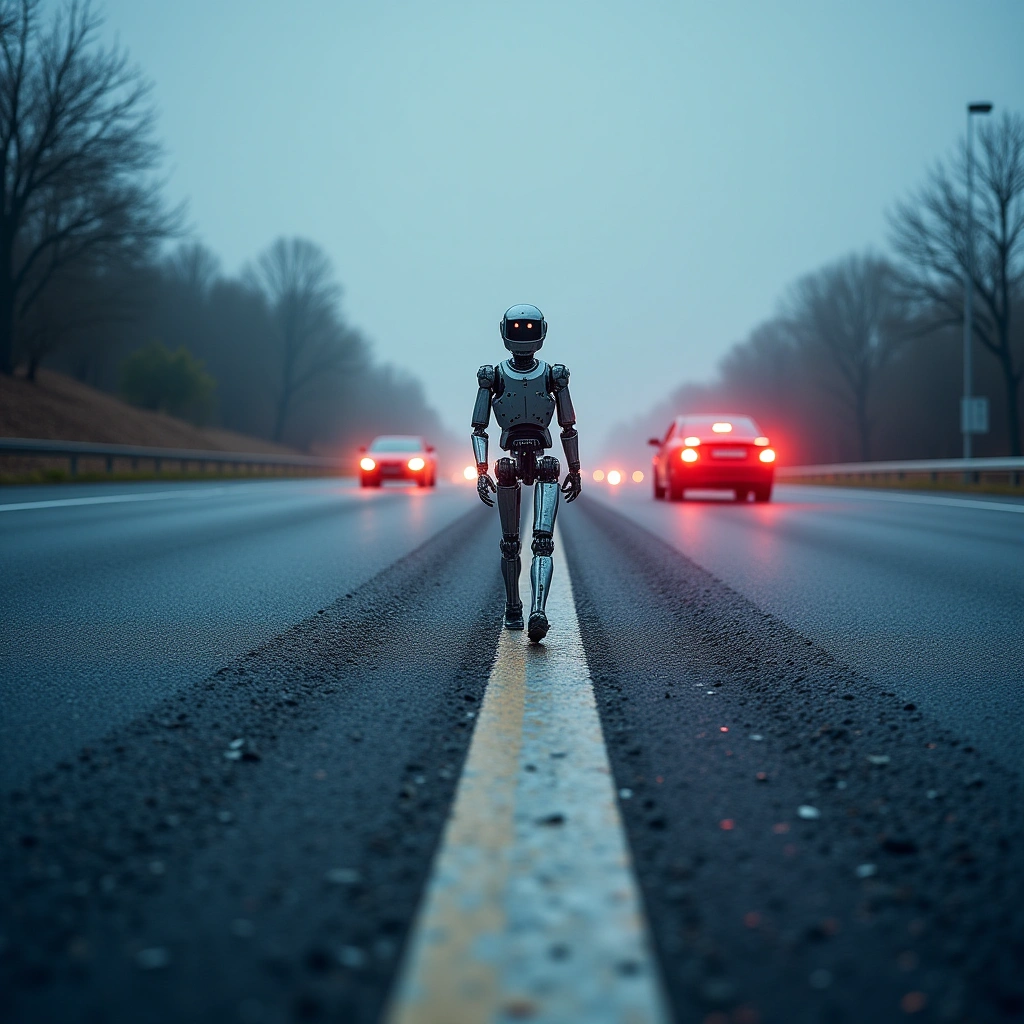
In a world where technology seems to be evolving faster than a toddler on a sugar rush, the latest warning from a United Nations independent panel about artificial intelligence (AI) is both eye-opening and mildly terrifying. According to the panel, developments in AI are sprinting ahead of our scientific understanding and government policy. Translation: we might just be building a shiny new toy without reading the instruction manual—or worse, without even knowing what it does.
The debate centers on whether AI progress will follow a gradual, regulated diffusion or an exponential "takeoff" leading to superintelligence. One view argues AI is normal technology constrained by safety regulations and slow economic adoption, while the opposing view warns of a technological singularity where superintelligent machines pose existential risks.
Now, before you start picturing robots taking over the world like some bad sci-fi movie, let’s break this down a bit. The panel cautioned that there are no guarantees that AI won’t cause catastrophic harm. Yes, catastrophic harm. That’s a phrase that can really put a damper on your coffee break. But it’s not all doom and gloom; it’s just a friendly reminder that we should probably pay attention to what we’re creating.
Imagine you’re a kid in a candy store, and you see a giant, glittering machine labeled ‘AI.’ You think, ‘Wow, this looks fun!’ You start pushing buttons and pulling levers, but you have no idea what it actually does. Will it make you a million dollars? Will it explode? Who knows? The UN panel’s warning is essentially saying we need to stop being the kid with the sticky fingers and start being the responsible adult who reads the label.
The panel highlights the fact that while AI has the potential to revolutionize industries and improve lives, it’s also a double-edged sword. We’re talking about algorithms that could potentially make life-altering decisions without so much as a second thought. Think about it: do we really want a machine deciding who gets a loan, who gets a job, or even who gets medical treatment? If that doesn’t send a shiver down your spine, I don’t know what will.
So, what’s the root of the problem? It seems that the rapid pace of AI development has left lawmakers and regulators in the dust. They’re trying to catch up, but it’s like watching a tortoise trying to outrun a cheetah. By the time they get around to creating policies, the technology has already evolved into something else entirely. It’s like trying to regulate a toddler’s sugar intake after they’ve already consumed a mountain of candy.
This disconnect raises some serious questions. How can we ensure that AI is developed ethically and safely? Who’s responsible when things go wrong? And perhaps most importantly, how do we prepare for a future where AI could potentially outsmart us? Spoiler alert: the answer is not to bury our heads in the sand and hope for the best.
Governments and organizations need to step up their game. This isn’t just about creating regulations; it’s about fostering a culture of accountability and transparency in AI development. We need to bring together scientists, ethicists, and policymakers to create a comprehensive framework that addresses the risks while still allowing innovation to flourish. It’s a balancing act, for sure, but one that’s worth the effort.
In conclusion, while AI has the potential to be a game-changer, we must tread carefully. The UN panel’s warning serves as a wake-up call that we can’t afford to ignore. Let’s not be the kids in the candy store, mindlessly pressing buttons. Instead, let’s be the responsible adults who take the time to understand what we’re dealing with. Because the last thing we want is for our shiny new toys to turn into an unmanageable mess.
So, next time you hear about the latest AI breakthrough, take a moment to ponder: are we building a better future, or are we just one misstep away from a catastrophic blunder? Spoiler alert: it could go either way, but wouldn’t it be nice to at least try to steer it in the right direction?
Inspired by: “Developments in AI are outpacing scientific understanding and government policy, meaning there are…” (r/technology)