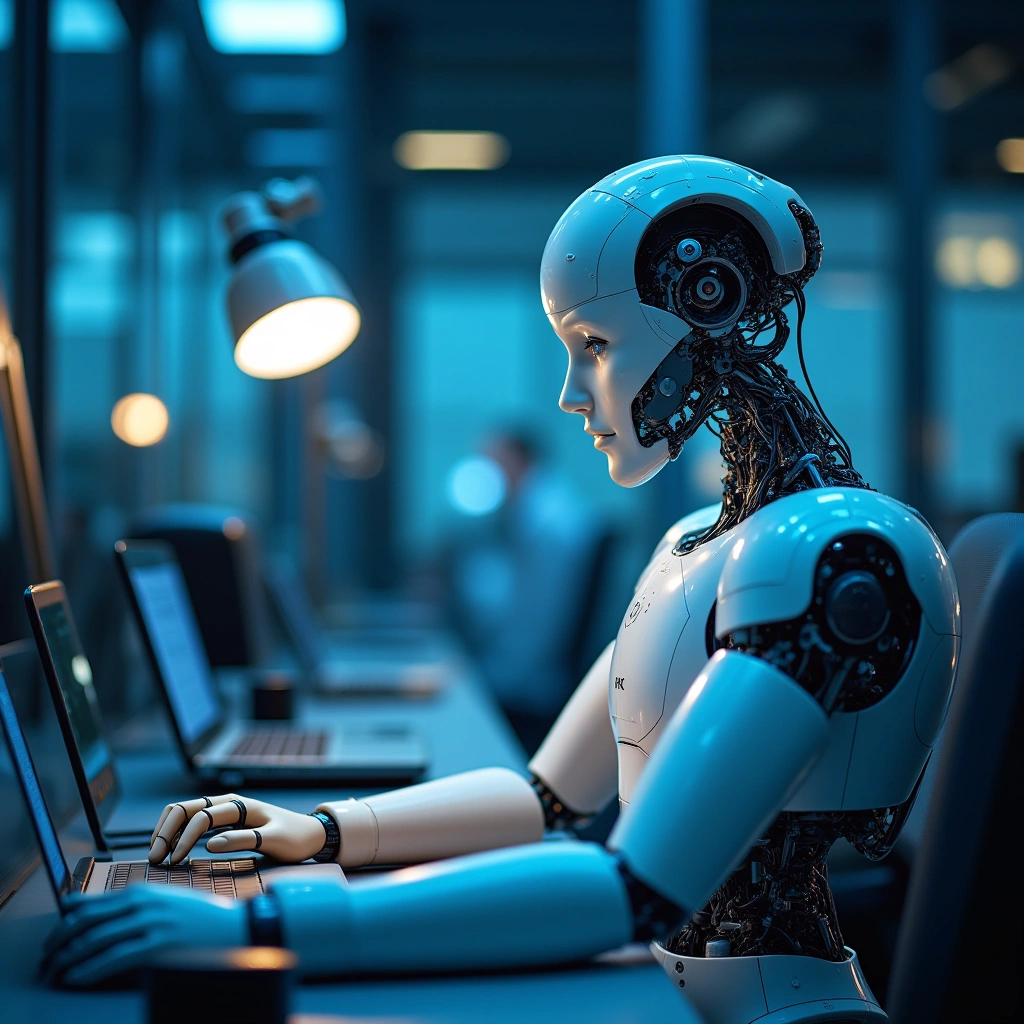
In a world where technology is advancing faster than a toddler can throw a tantrum, it seems that bosses are developing a new obsession: artificial intelligence. Yes, you heard that right. The very same technology that can generate cat memes and help you find the nearest pizza place is now being used to make crucial workplace decisions. And if you think that sounds like a recipe for disaster, you’re not alone.
The boss had “clearly developed some sort of mental disorder,” she said. “Spending the whole day talking to ChatGPT and making decisions about the future of your company and the people who work there based on what it ‘tells’ you seems …
Imagine this scenario: you’re sitting at your desk, sipping your lukewarm coffee, when suddenly your boss walks in with a gleam in their eye that can only mean one thing—they’ve just discovered ChatGPT. They start spouting off directives that sound suspiciously like they were pulled straight from a bot’s brain. “ChatGPT says we need to pivot our strategy to a more synergistic approach!” And you’re left there wondering if you should be taking notes or just nodding along in disbelief.
It’s not just the jargon that’s confusing; it’s the sheer volume of nonsensical directives that are coming down the pipeline. One minute you’re tasked with creating a marketing plan, and the next, your boss is insisting that ChatGPT told them to focus on “emotionally resonant data analytics.” What does that even mean? Is there a workshop for deciphering AI gibberish that I missed?
The most alarming part? Some bosses are reportedly using AI to make decisions about who to keep and who to fire. Yes, you read that right. They’re asking ChatGPT for advice on employee evaluations. Picture this: “Hey ChatGPT, who should I let go?” And ChatGPT responds with a list based on metrics that may or may not include how many times you refill the office coffee pot.
This raises an important question: can a bot truly understand the nuances of human behavior and workplace dynamics? Spoiler alert: it can’t. While AI can analyze data faster than you can say “overworked and underappreciated,” it lacks the emotional intelligence required to make sensitive decisions about people’s livelihoods.
Now, I’m not saying that AI doesn’t have its place in the workplace. It can be a valuable tool for streamlining processes, analyzing trends, and even providing insights that might not be immediately apparent to the human eye. But when it comes to making decisions that affect real people, we might want to pump the brakes a little.
At the end of the day, while AI can help with many tasks, it’s not a replacement for good old-fashioned human judgment. So the next time your boss starts quoting ChatGPT like it’s the new office guru, maybe suggest they take a step back and remember what it means to lead with empathy. After all, firing someone based on a bot’s recommendation seems a bit like letting a fortune cookie decide your life’s path.
In conclusion, let’s embrace technology, but maybe not let it run the show. Because if we allow our bosses to lean too heavily on AI, we might soon find ourselves in a workplace that feels more like a sci-fi movie than a collaborative environment. And let’s be honest, nobody wants to work in a place where the coffee is robot-brewed and decisions are made by a chatbot.
So, here’s to hoping that bosses will remember that while AI can assist, it’s the human touch that really makes a workplace thrive. And if all else fails, at least we’ll have some great stories to tell at the next office happy hour—assuming we’re still employed, of course.
Inspired by: “Bosses Are Becoming Obsessed With AI, Using It to Make Every Decision, Barraging Their Employees Wi…” (r/technology)