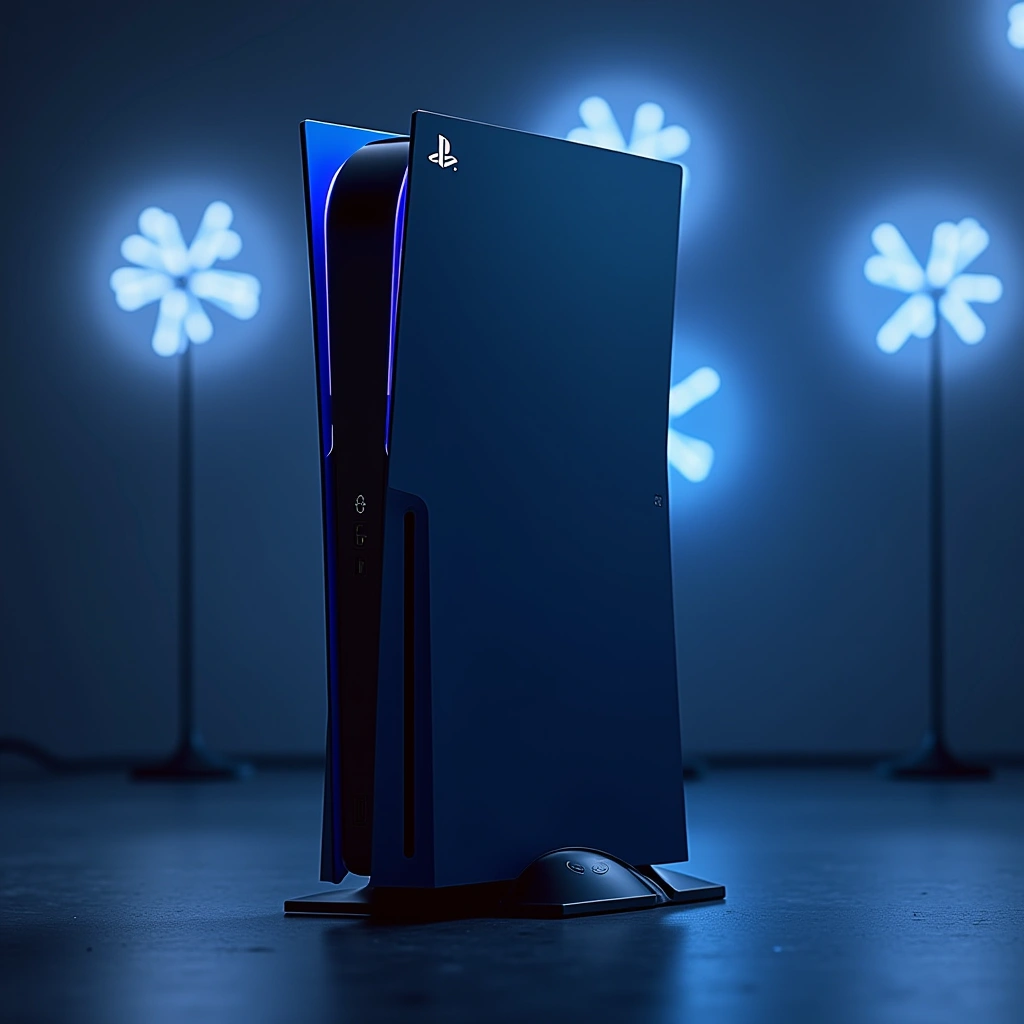
In a world where gamers are constantly on the lookout for the next big thing, Sony has recently made headlines with a bold statement: they have no plans to sell hardware at significant losses. Shocking, right? I mean, who would have thought that a company would want to make a profit? But let’s break down what this means for the future of gaming, specifically for the much-anticipated PlayStation 6.
But, historically, Sony is a consumer electronics manufacturer, and putting devices in boxes and selling them remains at the core of its strategy. The former CEO of Sony Interactive Entertainment, Jim Ryan, came up as a hard-nosed sales executive, and was renowned for his ability to flood the European market with PlayStations. Since PS4 at the latest, Sony has made its bones by selling PlayStations at an attractive price and then watching the digital revenue roll in. What happens when you can't sell a console at an attractive price, though?
First off, let’s take a moment to appreciate the business acumen here. Sony is essentially saying, “Hey, we’re not going to give away our consoles like they’re Halloween candy.” Historically, companies like Sony have often sold their consoles at a loss, banking on software sales and subscription services to recoup the money over time. It’s like a strategy of playing the long game, but with a lot of upfront risk.
However, with the PS5 still riding high on its success (and scarcity), Sony seems to be taking a different approach this time around. They’re keeping a close eye on the market, which is basically corporate speak for “We’re watching what everyone else is doing and we’re not making any hasty decisions.” You can almost picture them peering through binoculars, scouting the competition, all while sitting in a plush leather chair, sipping on something expensive.
So, what does this mean for the PS6? For starters, it suggests that we might see a price point that doesn’t make us question our life choices. Remember the sticker shock when the PS5 launched? If you were like me, you had to mentally prepare yourself for weeks before hitting that “buy” button. But if Sony sticks to their guns about not selling at a loss, we could be looking at a more stable pricing strategy.
This could also mean that they are confident in the PS6’s hardware and software ecosystem. If they’re not willing to take a hit on the console itself, they must believe that their games will sell like hotcakes. And let’s be honest, the PS5 has a solid lineup that’s keeping players engaged, so it’s not entirely far-fetched to think they’ll continue that trend.
On the flip side, this could also mean that we might not see the PS6 for a while. If they’re monitoring the market, it’s possible they’re waiting for the right moment to strike. They might be looking for trends in gaming, such as the rise of cloud gaming or the popularity of subscription models. Who knows? Maybe they’re just waiting for the perfect meme to drop to announce the console.
But let’s not get too carried away with speculation. One thing is for sure: gamers are a fickle bunch. If Sony decides to price the PS6 too high, they might face some backlash. After all, we all remember the great PS3 launch debacle. The internet hasn’t forgotten, and neither have we.
In conclusion, Sony’s stance on not selling hardware at significant losses is a savvy move that could reshape the gaming landscape. It shows that they’re not just throwing money around like confetti but are instead taking a calculated approach to their next console release. So, whether you’re saving your pennies for the PS6 or just enjoying the ride on your PS5, keep your eyes peeled. The future of gaming is looking interesting, and who knows what surprises Sony has up its sleeve. Just remember: no matter how you slice it, gaming is still a business. And businesses like to make money. Imagine that!
Inspired by: “Sony says it doesn’t plan to ‘sell hardware at significant losses’ but is ‘monitoring the market’ w…” (r/technology)