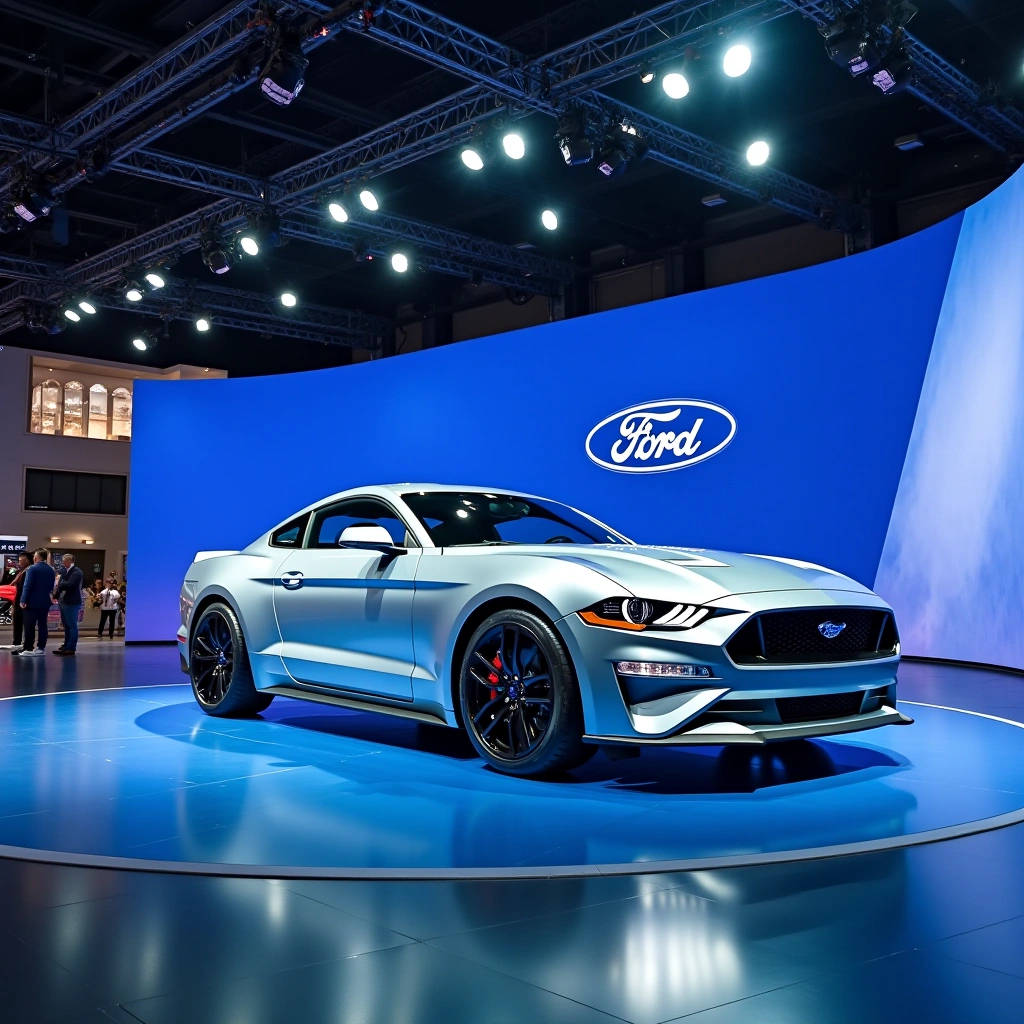
In the fast-paced world of automotive innovation, it seems Ford has recently learned a valuable lesson: while artificial intelligence can crunch numbers and spit out data faster than you can say “autonomous vehicle,” it can’t replace the wisdom and experience of seasoned engineers. Yes, folks, it turns out that having a brain that has been marinated in years of hands-on experience is still pretty darn essential, even in the age of AI.
Ford ‘ s vehicle quality declined due to an over-reliance on automated systems and AI without sufficient high-quality training data or human oversight. The company underestimated the value of veteran engineers’ institutional knowledge, as some left before their expertise was fully integrated into automated systems. This led to errors not being caught early and a "find and fix" mentality rather than proactive prevention, impacting recent product launches and increasing recalls.
So, what happened? Well, Ford decided to dip its toes into the AI pool, perhaps thinking it could save a pretty penny on engineering costs. After all, who wouldn’t want to replace a team of highly trained professionals with a glorified calculator? But as it turns out, the results were less “Ford Mustang” and more “Ford Pinto.” Yikes!
Imagine this: you’ve got an AI system that can analyze data, predict trends, and even suggest designs based on algorithms. Sounds great, right? But then you realize that it doesn’t actually know what it’s like to work on the assembly line, troubleshoot complex issues, or think outside the box when things go awry. It’s like having a chef who can recite recipes but has never actually stepped foot in a kitchen. Good luck with that dinner party!
The engineers at Ford, who have spent years honing their craft, understand the nuances of vehicle design and manufacturing. They know that a tiny tweak in a design can lead to significant performance changes. They can assess the implications of materials and safety features in ways that an AI can only dream about. In short, they bring to the table something that no algorithm can replicate: intuition and experience.
Now, I’m not saying that AI doesn’t have its place in the automotive industry. In fact, it can be a fantastic tool for data analysis, predictive maintenance, and even some aspects of design. But when it comes to actual engineering, you need people who can think on their feet, adapt to changing circumstances, and—dare I say it—make mistakes from which they can learn.
So, what’s the takeaway from Ford’s little adventure into the AI realm? Well, for starters, it’s a reminder that technology is a complement, not a replacement, for human expertise. Companies that forget this often find themselves in a bit of a pickle. And let’s face it, no one wants to be the laughingstock of the automotive world, especially when there are plenty of memes out there just waiting to be made.
In conclusion, while AI may be able to assist in some areas, when it comes to complex tasks like engineering, there’s simply no substitute for the experience and creativity of human engineers. Ford’s journey serves as a cautionary tale for other companies considering a similar path. So, let’s keep our engineers around, shall we? After all, they’re the ones who really know how to steer the ship—AI or not!
Inspired by: “Ford learned the hard way that AI can't replace experienced engineers” (r/technology)