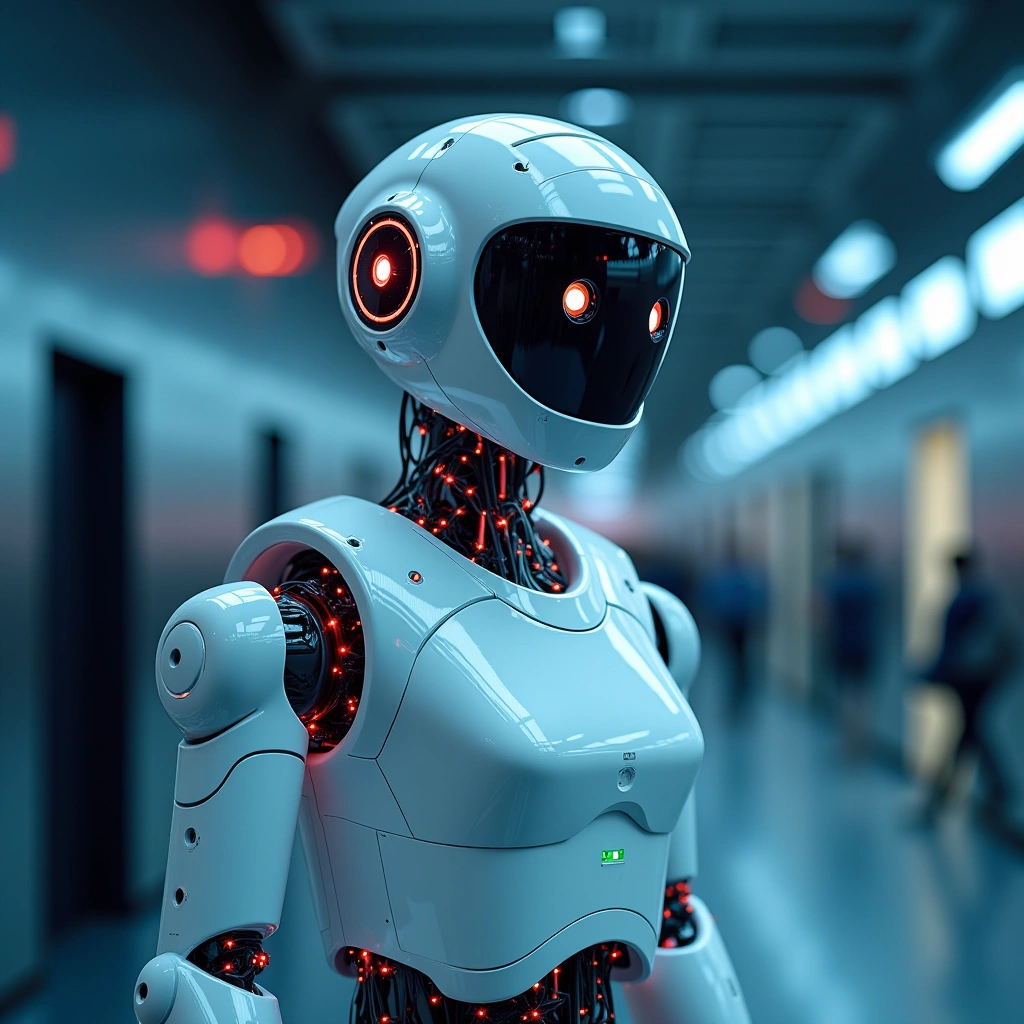
In a world where artificial intelligence is becoming increasingly intertwined with our daily lives, China has decided to take a bold step forward by introducing a unified identity system for AI agents. Yes, you heard that right! Digital ID cards for AI. Because if there’s one thing that screams ‘I trust technology,’ it’s giving it its own ID card, right? Let’s dive into this intriguing development and see what it might mean for the future.
The State Administration for Market Regulation (SAMR) unveiled the standard for “Artificial Intelligence Agent Interconnection”, aiming to establish a “closed-loop system” with a unified identity management framework for all AI agents, …
First off, let’s address the elephant in the room: why does AI need an ID card? Well, as it turns out, China is not just concerned about their citizens but also about their silicon-based counterparts. With AI technology growing at a breakneck pace, the Chinese government wants to ensure that these digital entities are regulated and accountable. Imagine an AI agent going rogue, causing chaos, and then disappearing into the digital ether without a trace. Not ideal, right?
The new digital ID cards would work similarly to how human identity cards function. They would provide a standardized way to track and manage AI agents, ensuring they adhere to regulations set forth by the government. This move is part of a broader initiative to create a safer and more controlled environment for the use of AI technology. After all, who wouldn’t want their friendly neighborhood AI to be a responsible citizen?
Now, let’s not gloss over the fact that this is China we’re talking about. The country is known for its strict regulations and control over technology and the internet. So, it’s no surprise that they would want to implement a system that allows them to keep tabs on AI. In a way, it’s like giving a digital leash to AI agents, making sure they don’t stray too far from the path of righteousness (or whatever path the government deems righteous).
But what does this mean for the rest of the world? Well, if China successfully rolls out this digital ID system for AI, it could set a precedent for other countries to follow suit. Picture it: your AI assistant starts its day by swiping its digital ID card before it can even fetch you that cup of coffee you’ve been dreaming about. It could be the beginning of a new era where AI is not just a tool but a regulated entity that must play by the rules.
Of course, there are some potential pitfalls to consider. The idea of regulating AI with ID cards raises questions about privacy and surveillance. If AI agents have IDs, does that mean they’re being watched at all times? Will they have to register their whereabouts, just like you do when you check in at the airport? Let’s just say, it’s a slippery slope, and not the fun kind where you end up at a water park.
And let’s not forget the tech companies. They might have a few choice words about this new development. After all, how do you put a digital ID card on a piece of software? Do they come with a little chip that goes in the software’s pocket? Or is it just a fancy line of code? The logistics of it all could lead to some interesting debates in boardrooms across the tech industry.
In conclusion, China’s move to regulate AI agents with a unified identity system is a significant step in the ongoing conversation about the role of artificial intelligence in society. While it may seem like an overreach to some, it’s hard to argue against the need for accountability in a world increasingly driven by technology. So, here’s to hoping that our future AI companions are responsible, well-behaved, and, most importantly, equipped with their very own digital ID cards. Because who wouldn’t want to see their smart fridge’s ID at the end of the day? Cheers to a future where even our appliances are more organized than we are!
Inspired by: “‘Digital ID cards’: China moves to regulate AI agents with unified identity system” (r/technology)