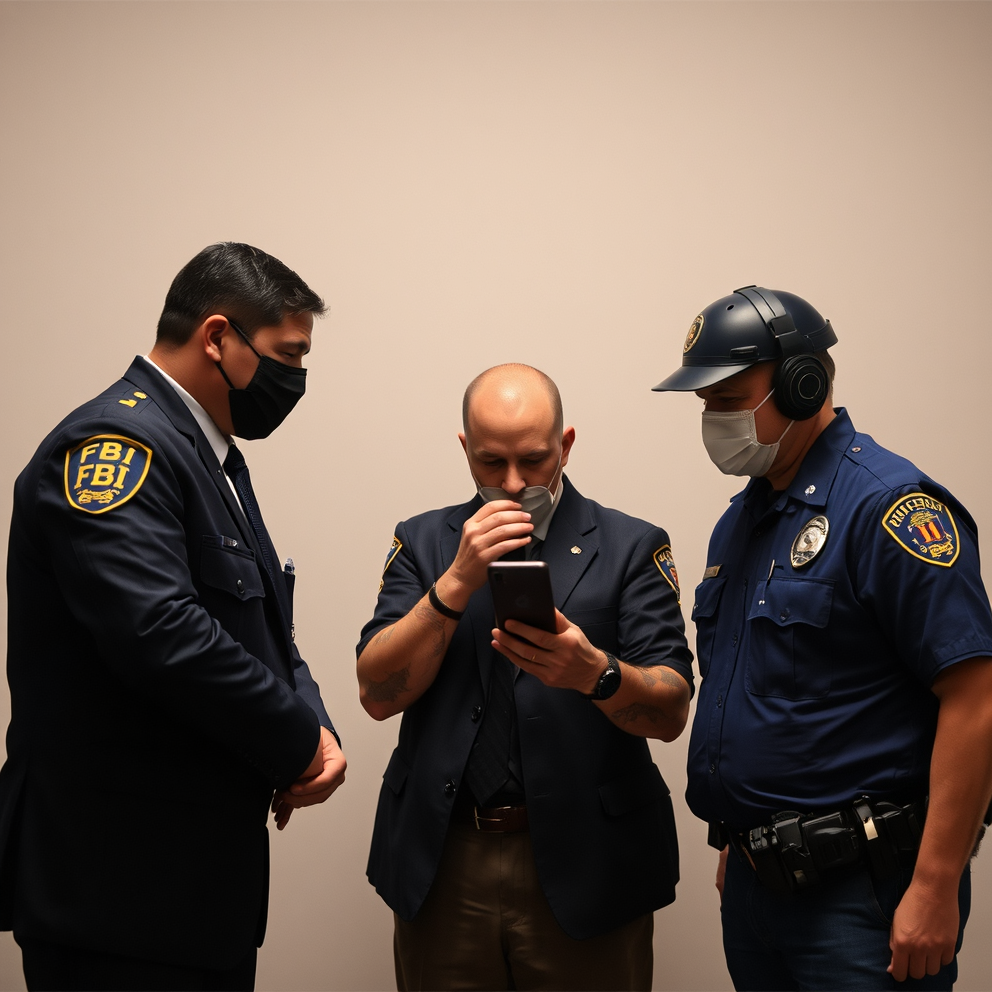
In a plot twist that sounds like it was ripped straight from a Hollywood thriller, recent public records have revealed that the FBI has been secretly extracting data from the phones of protesters involved in ICE demonstrations. Yes, you heard that right. Your phone, that little pocket-sized portal to the internet, memes, and your embarrassing selfies, has now become a treasure trove of data for federal agencies. Who knew being passionate about social justice could come with such a hefty side of surveillance?
“From my standpoint, as a relatively new chief here at that time, this was unusual that line-level staff detectives would make the decision to go ahead and transfer phones or evidence to a federal partner without running that up the chain and making sure it didn’t impact the local investigation.” · Hall added that, after learning some evidence had been transferred to the FBI, the department “hit pause for a couple of days while we figured out exactly why that was occurring, and at whose behest.” But public records show it was too late for the protesters’ phones: “I was also asked if evidence seized as a part of the investigation, namely cell phones, had been already turned over,” an officer named Zachary Storment writes in a police report.
Now, before you start panicking and frantically deleting your entire camera roll (goodbye, brunch pictures!), let’s break down what this actually means. The FBI, in their infinite wisdom, decided that monitoring the activities of protesters was a priority. Apparently, they have a lot of time on their hands. According to the documents, the FBI was using a variety of methods to extract data, which raises some serious questions about privacy and civil liberties.
The idea that the government could be snooping on our personal lives through our phones is enough to make anyone clutch their device a little tighter. I mean, sure, we all knew that our phones were tracking our every move—thanks, targeted ads—but we didn’t think Uncle Sam would join the party. It’s like discovering that your nosy neighbor is not just peeking through the curtains but also recording your every move for the evening news.
So, what kind of data are we talking about here? The records indicate that the FBI was looking for everything from text messages to location data. You know, the kind of stuff you’d rather keep private—not just from the government, but also from that one friend who can’t stop sharing your most embarrassing moments. It’s a violation of privacy that feels like a slap in the face to the very rights we’re trying to protect when we stand up for social justice.
And let’s not forget the implications this has on free speech. If protesters are aware that their data could be harvested, they might think twice before joining in on demonstrations. It’s a classic case of chilling effects—if you think you’re being watched, you might just decide to stay home and binge-watch the latest true crime documentary instead of taking to the streets.
Now, some might argue that this is all in the name of national security, but at what cost? When did we decide that monitoring activists was a reasonable approach to maintaining order? It’s one thing to keep an eye on potential threats, but it’s another to treat citizens exercising their rights as if they were criminals. Spoiler alert: protesting is not a crime.
As this story unfolds, it’s crucial for us to keep the conversation going about privacy rights and the balance between security and freedom. We need to ask ourselves how much we’re willing to sacrifice in the name of safety. Are we cool with the government swiping our data like it’s a Tinder profile? I don’t know about you, but I prefer my data to be more like a secret diary—intimate and tucked away from prying eyes.
In conclusion, this revelation about the FBI’s actions serves as a stark reminder of the times we live in. While we navigate the murky waters of technology and surveillance, let’s not forget to advocate for our rights. After all, if we don’t stand up for our privacy, we might just find ourselves living in a reality where our phones are not just devices, but government-issued monitoring tools. And that’s a plot twist none of us signed up for.
Inspired by: “Public Records Show FBI Secretly Extracted Data From ICE Protesters’ Phones” (r/technology)