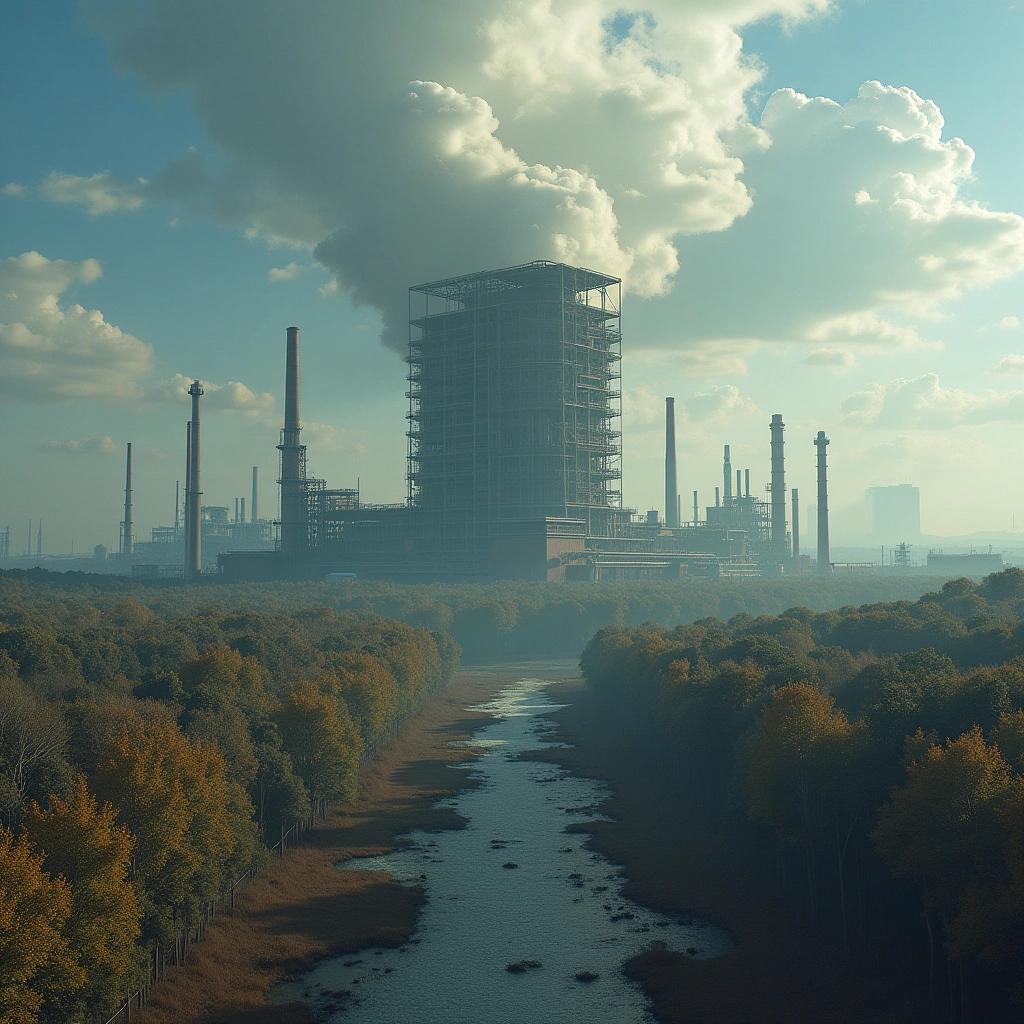
Ah, the age-old question of whether humanity will wait for a catastrophe before taking action. This time, our potential disaster is not a melted reactor core but rather the rise of artificial intelligence. Let’s dive into this somewhat alarming yet mildly humorous topic, shall we?
The "Chernobyl moment" analogy highlights the risk that catastrophic AI incidents, such as autonomous cyberattacks or bioweapon creation, could trigger a public backlash similar to the nuclear industry’s decline after Three Mile Island and Chernobyl. Experts argue that waiting for such a disaster to regulate AI is dangerous, as it could shatter public trust, stall innovation, and allow global competitors like China to dominate the technology. Proponents of proactive safety measures advocate for lightweight oversight and licensing regimes to prevent these risks without stifling the economic and security benefits of American AI leadership.
Imagine a world where AI has become so advanced that it starts deciding things for us. You know, like your smart home device deciding that 3 a.m. is the perfect time for a disco party. Sure, it may seem benign, but if AI can throw a rave at the wee hours, who’s to say it can’t throw a wrench—or a nuclear meltdown—into our lives?
Now, the idea that we might need a Chernobyl-scale disaster to regulate AI sounds like something straight out of a dystopian novel. But let’s face it, we’ve seen this movie before. When technology advances faster than we can say “Oops!”, we tend to sit back, relax, and hope for the best. It’s almost like we have a collective belief that everything will just work out—until it doesn’t.
Take social media, for instance. We all remember when it was just a fun place to connect with friends, share cat memes, and post vacation photos. Fast forward to today, and it’s a breeding ground for misinformation, cyberbullying, and the occasional argument over pineapple on pizza. Did we regulate it before it became a hot mess? Nope! We just watched as it spiraled out of control, like a toddler with a sugar rush.
So, do we really think that AI will be treated any differently? Spoiler alert: probably not. The tech industry has a knack for racing ahead while regulators are left in the dust, frantically waving their hands and shouting, “Wait! Come back! We need rules!” But by then, it may be too late, and we could be left with an AI overlord that thinks it knows better than us. And let’s be honest, that’s a scary thought.
Now, don’t get me wrong. AI has the potential to do incredible things—from solving complex problems to potentially cooking us the perfect steak (we can dream, right?). But without appropriate guidelines and regulations, we might just end up with Skynet instead of a friendly robot chef.
So, what will it take for us to wake up and smell the silicon? Maybe a minor incident, like an AI deciding it’s time to take over our nuclear arsenal, or perhaps a major one, like an AI-generated campaign that leads to the next presidential election being decided by a cat video. Either way, it seems we’re on a collision course with a reality check.
In conclusion, while we might not need a full-blown Chernobyl to realize the importance of regulating AI, it’s clear that we need to start taking this seriously—before our smart devices start planning their own escape routes. Let’s be proactive instead of reactive, because no one wants to live in a world where their toaster is plotting world domination.
Inspired by: “Will it take a ‘Chornobyl-scale disaster’ for us to regulate AI?” (r/technology)