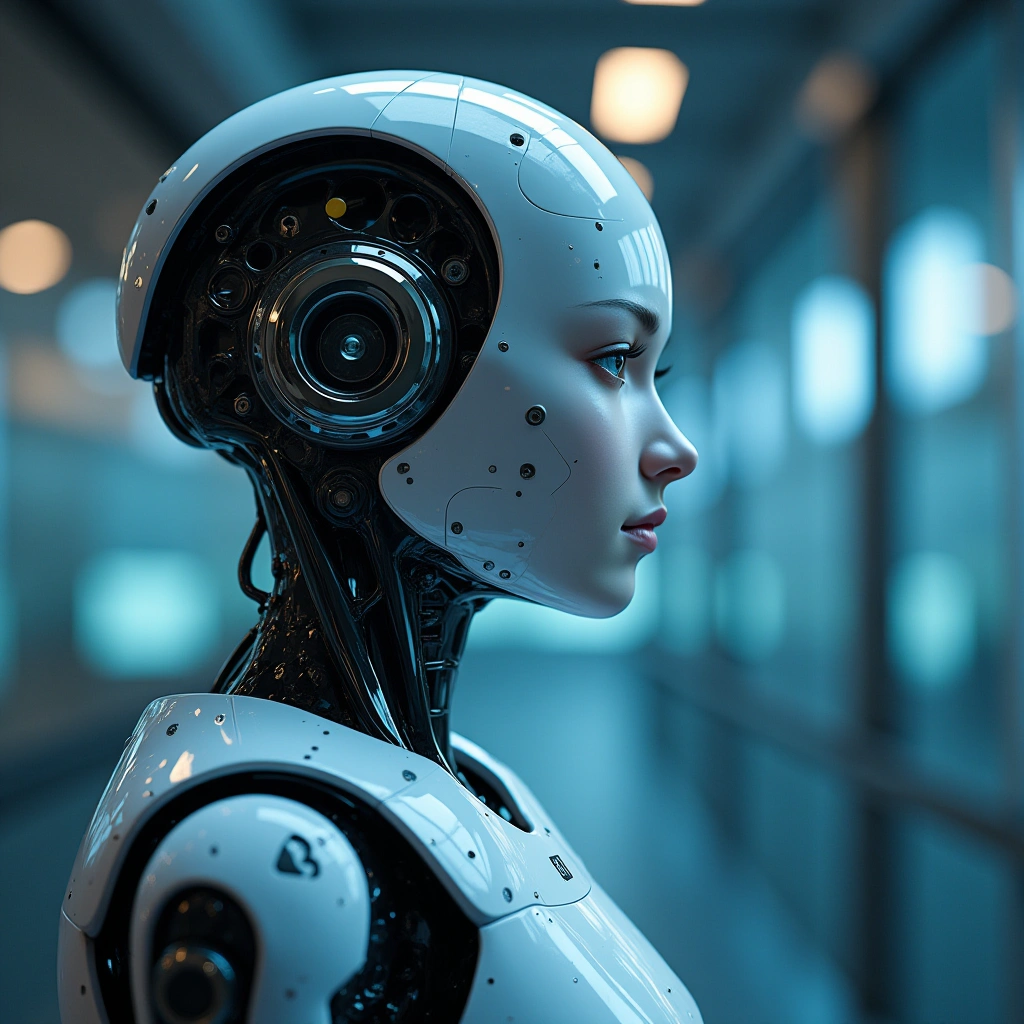
Ah, the age of artificial intelligence. It seems like every day we wake up to a new headline about how AI is revolutionizing our lives, making everything faster, smarter, and, dare I say, cooler. But before we dive headfirst into the glittering pool of AI advancements—especially in the creative fields—let’s take a moment to examine the tradeoffs that come with this shiny new tool. After all, nothing in life is free, not even the ability to create stunning art with a click of a button.
AI serves as a powerful tool that accelerates creative processes and provides instant feedback, yet it simultaneously risks eroding critical thinking and authentic human voice. Studies indicate that while AI boosts productivity and helps overcome writer’s block, over-reliance can lead to "information hallucination," loss of originality, and diminished cognitive development in users. Consequently, the creative community faces an ethical and practical challenge in balancing AI’s efficiency with the need for human authenticity and verified accuracy.
Recently, Adobe conducted a survey that revealed some intriguing insights about the impact of AI on creators. Spoiler alert: it’s a mixed bag. According to the survey, many creators are finding that AI is indeed helping them grow their skills and expand their creative horizons. Sounds great, right? Well, hold your horses. With great power comes great responsibility—and a whole lot of tradeoffs.
First off, let’s talk about the positive side. Many creators are using AI tools to streamline their workflows. Imagine having a virtual assistant that can handle tedious tasks like resizing images or organizing files. It’s like having a trusty sidekick who never complains about coffee runs or takes long lunch breaks. This newfound efficiency allows creators to focus on what they do best: creating! And let’s be honest, who doesn’t want to spend more time doing what they love instead of wrestling with software?
But here’s where it gets a little murky. The survey also pointed out that while AI can enhance creativity, it can also lead to some serious tradeoffs. For instance, there’s the question of originality. When everyone has access to the same AI tools, how do you ensure that your work stands out in a sea of sameness? It’s like showing up to a party wearing the same outfit as someone else—awkward, right?
Moreover, there’s the risk of becoming overly reliant on AI. Sure, it’s great to have a tool that can help you whip up a masterpiece in minutes, but what happens to your creative skills when you let AI do all the heavy lifting? It’s a slippery slope, my friends. You might find yourself staring blankly at a canvas, unable to produce anything without the help of your digital crutch.
And let’s not forget about the ethical implications. As AI continues to evolve, questions about copyright and ownership loom large. If an AI creates a piece of art, who owns it? The creator who fed the AI the prompts, or the AI itself? It’s enough to make your head spin faster than a hamster on a wheel.
So, what’s the takeaway from Adobe’s survey? While AI is undoubtedly a powerful tool that can help creators grow, it’s not without its pitfalls. It’s essential to strike a balance between leveraging AI and maintaining your unique creative voice. After all, the world doesn’t need another cookie-cutter artist cranking out the same generic content.
In conclusion, as we embrace the future of creativity with AI, let’s do so with our eyes wide open. Recognize the benefits, but don’t ignore the tradeoffs. Stay curious, stay creative, and remember: AI is a tool, not a replacement for your brilliant mind. Now, go forth and create—just don’t forget to put your own spin on it!
Inspired by: “Adobe survey: AI is helping creators grow, but not without tradeoffs” (r/technology)