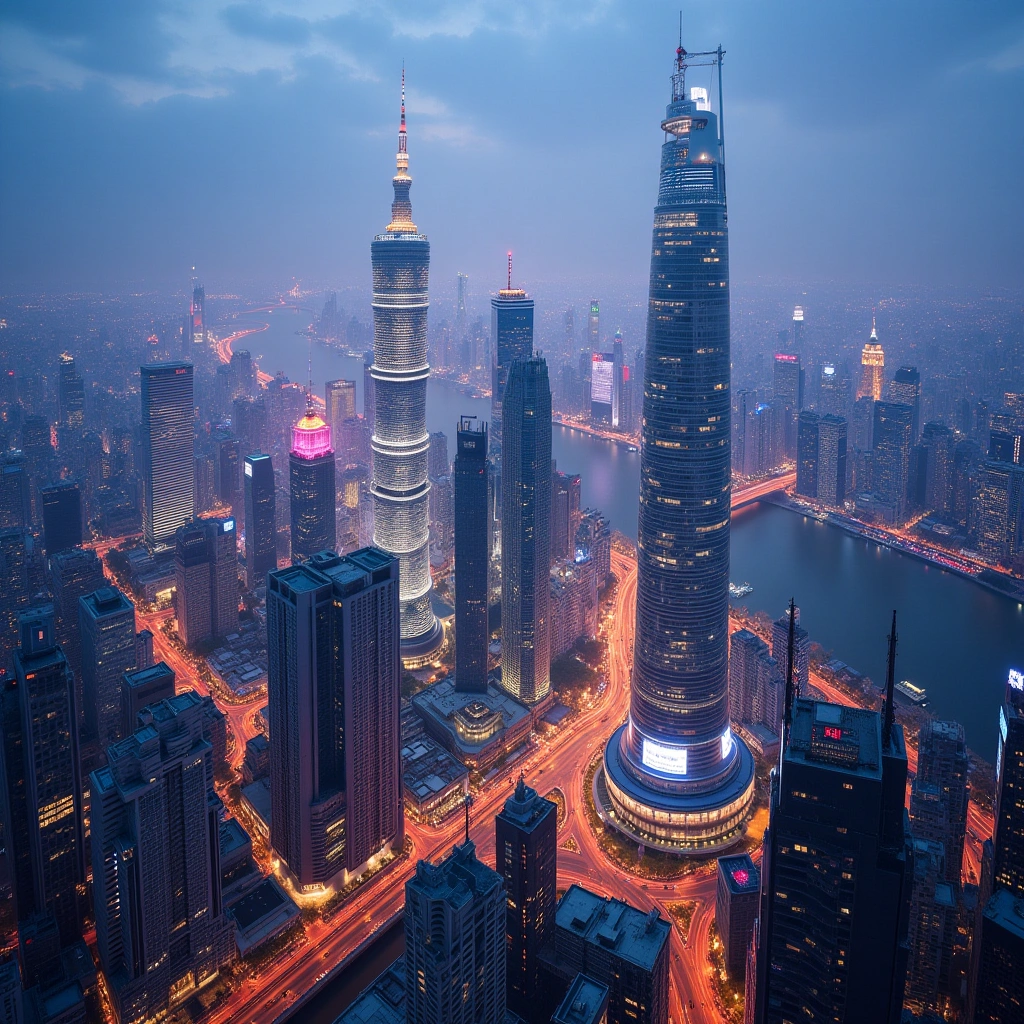
Ah, Shanghai! The city that never sleeps, unless it’s taking a brief nap between 3 AM and 3:01 AM. If you’ve ever wondered how Shanghai went from a sleepy fishing village to a bustling metropolis that could give a caffeinated squirrel a run for its money, then buckle up, because we’re about to dive into a whirlwind tour of its transformation from 1990 to 2021!
Related reading: From Neon Dreams
In 1990, Shanghai was like that one friend who was always promising to get their life together but never quite managed to. Sure, it had potential—some nice colonial architecture, a river, and a whole lot of dreams—but it was also a bit rough around the edges. Fast forward to today, and it’s like that friend discovered a magic potion, got a new wardrobe, and is now running a successful startup.
Let’s sprinkle in some numbers here, shall we? In 1990, Shanghai’s population was around 12 million. By 2021, it ballooned to over 24 million! That’s like doubling your friend group and trying to remember all their names. Good luck with that! With this population boom came rapid urbanization, and honestly, it’s a miracle that the city didn’t start spontaneously generating skyscrapers.
The skyline of Shanghai is now a dazzling display of architectural wonders that could make even the most seasoned architect weep tears of joy. The Shanghai Tower, standing at a staggering 632 meters, is like the city’s way of saying, “I’m not just tall; I’m a tall drink of water with a twist of lime!”
But with great height comes great responsibility. The development didn’t come without its fair share of challenges. Infrastructure? Overwhelmed. Transportation? Let’s just say if you thought your morning commute was bad, try navigating the Bund during rush hour. Traffic jams in Shanghai are like a bad relationship—you know it’s toxic, but you can’t seem to get out of it!
And let’s not forget the cultural shift. In 1990, you could still find traditional tea houses and local markets bustling with daily life. By 2021, those same areas have transformed into luxury shopping districts that would make even the most seasoned shopaholic break into a nervous sweat. It’s like watching your grandma’s favorite knitting shop morph into a high-end boutique.
But fear not! Amidst the glitzy shopping malls and luxury apartments, the essence of Shanghai still lingers like the aroma of street food wafting through the air. You can still find those delectable xiaolongbao (soup dumplings) that are worth the inevitable battle with chopsticks. Remember, if you don’t end up wearing half of the soup, did you really even eat?
In conclusion, the journey of Shanghai from 1990 to 2021 is like a rollercoaster ride with a few unexpected twists and turns. It’s a city that has embraced modernization while trying to hold onto its rich history. So, next time you hear someone say, “Shanghai is just a modern city,” remind them that it’s a vibrant tapestry woven with stories, struggles, and perhaps a few too many skyscrapers. Cheers to the city that dances between tradition and innovation, one neon-lit night at a time!
Inspired by: “Shanghai (1990 – 2021)” (r/interestingasfuck)