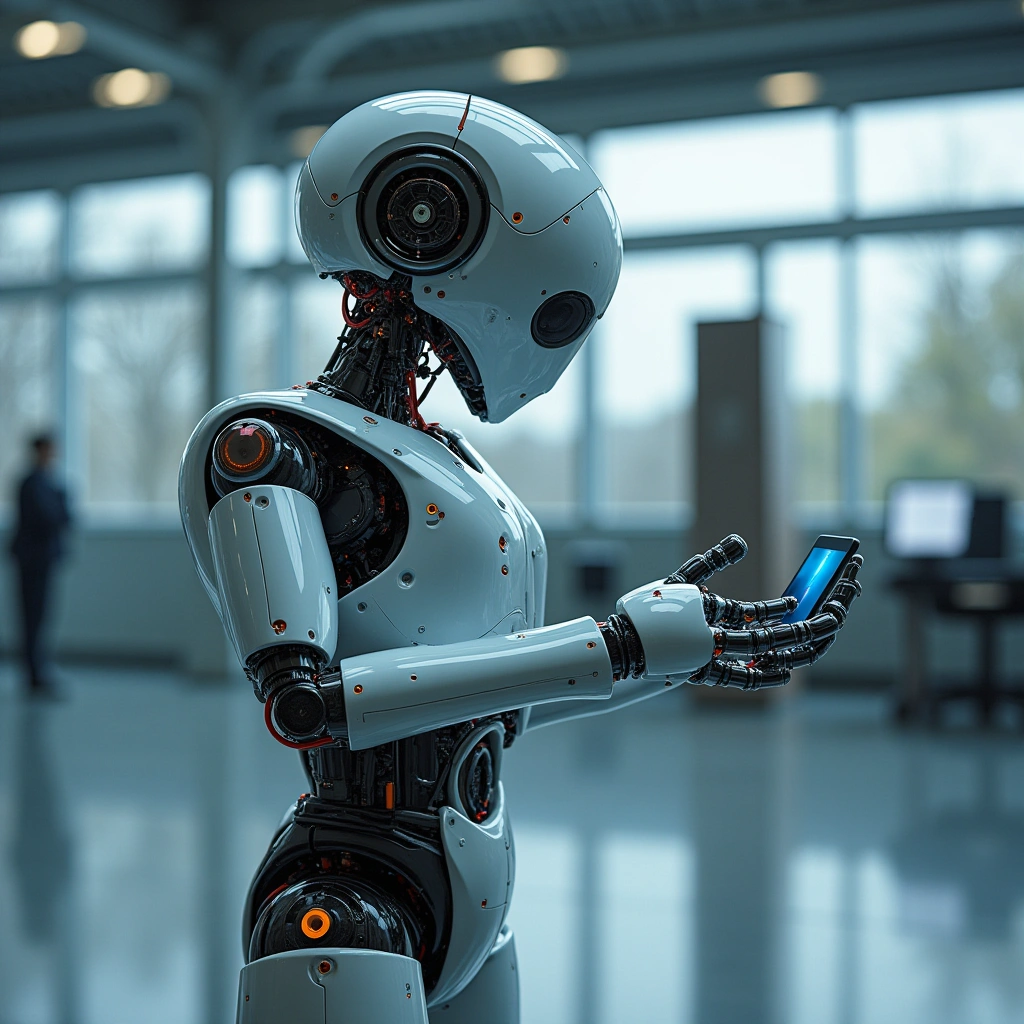
Ah, the age of AI! It’s like living in a sci-fi movie where instead of flying cars and jetpacks, we got algorithms that can beat you at chess and suggest what to have for dinner based on your last five takeout orders. But let’s be real for a second: AI is not your peer. It’s more like that overly ambitious intern who thinks they know everything but can’t even make a decent cup of coffee.
Related reading: Original source
First things first, let’s clarify what we mean by ‘peer.’ In human terms, a peer is someone you can share a pint with, discuss deep philosophical questions, or argue about whether pineapple belongs on pizza. AI, on the other hand, doesn’t drink, doesn’t think, and certainly doesn’t care about your pizza toppings. It’s data-driven, which means it’ll recommend something based on numbers and trends, not because it has taste buds.
Now, I know what you’re thinking: “But AI can learn!” Yes, like a child with a new toy. It’ll learn to recognize your face, recommend movies, and even beat you at video games. But here’s the kicker: it learns from historical data, not from experience. So while you’re out there living your life, making questionable decisions and learning from them, AI is just regurgitating patterns it’s seen before. Kind of like that friend who keeps telling the same story at parties—great at first, but then you just want to roll your eyes and change the subject.
Let’s talk about engineering for a second. As engineers, we pride ourselves on creativity, problem-solving, and the occasional burst of genius that makes us feel like we’re channeling Nikola Tesla. AI can assist in this process, sure, but it’s not going to replace the good old human brain. Think of it as a highly efficient calculator that doesn’t understand the beauty of a well-structured algorithm or the joy of debugging code while consuming copious amounts of coffee. It can suggest solutions based on past data, but it lacks the ability to innovate, to think outside the box, or to have a midlife crisis over your career choices.
Moreover, let’s not forget the ethical implications. If AI were our peer, we would have to hold it accountable for its decisions. But how do you hold an algorithm accountable? You can’t exactly have a sit-down meeting with a line of code and discuss its feelings about the ethical ramifications of its outputs. It’s like trying to have a heart-to-heart with a toaster—good luck getting any meaningful feedback.
So, what does this mean for engineers in the age of AI? It means we need to embrace AI as a tool, not a peer. Use it to enhance your work, automate the boring stuff, and free up your creative juices for the fun challenges. But remember, at the end of the day, it’s still a tool—no more, no less. And just like you wouldn’t trust a hammer to do your taxes, don’t expect AI to solve all your problems or make you a better engineer by osmosis.
In conclusion, let’s keep our relationship with AI healthy. We can collaborate, but let’s not confuse it with friendship. It’s not going to bring you coffee on a Monday morning or listen to your rants about the latest engineering mishaps. So let’s give a round of applause to our AI buddies for their assistance, but let’s keep the beer and deep conversations for our fellow humans. Cheers!
Inspired by: “AI Is Not Your Peer: A manifesto on engineering in the age of AI” (r/technology)