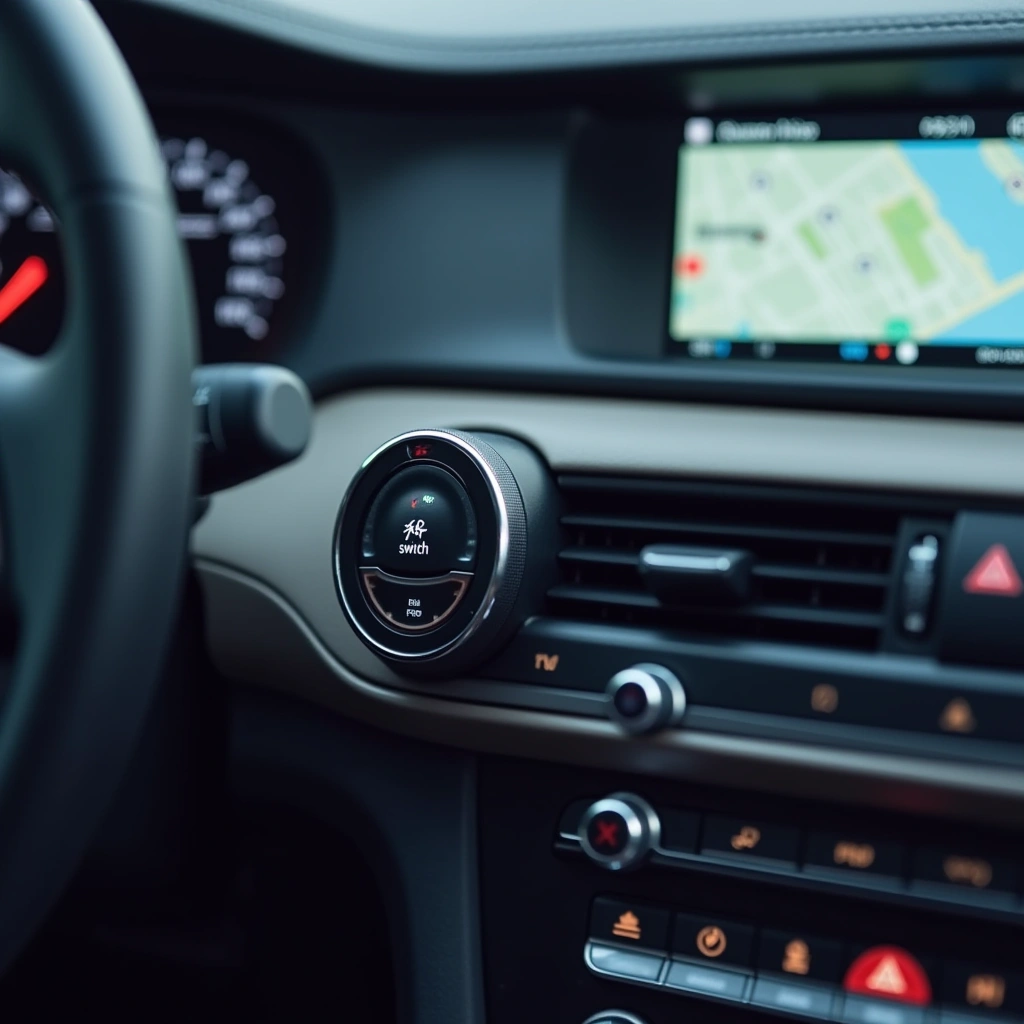
Hey there, gearheads and safety enthusiasts! Buckle up, because we’re diving into a topic that’s got the potential to rev your engines or make you want to throw your keys out the window: the new ‘kill switch’ law that might just make your car the world’s most nosy passenger.
Related reading: Original source
Now, let’s be clear. The goal of this law is noble. It aims to tackle the rampant issue of drunken driving, which has claimed too many lives over the years. We all want safer roads, right? But, and it’s a big but, the implications of having driver-monitoring technology in every new vehicle are enough to make even the most hardened conspiracy theorist raise an eyebrow.
Imagine this: you’re cruising down the highway, windows down, music blasting, and your car suddenly decides it’s time to intervene. “Hey, buddy, I noticed you had a couple of drinks. How about we take a scenic route to the nearest sober friend’s house?” Sounds like your car just became your personal life coach, but do you really want it monitoring your every move?
Privacy concerns are front and center in this debate. Sure, we’re all for saving lives, but at what cost? The idea of a car that can potentially report your driving behavior or even disable itself if it thinks you’re not fit to drive feels like something straight out of a dystopian novel. Next thing you know, your car will be sending your driving stats to your insurance company, who will then raise your rates because you dared to stop for ice cream on a hot day. “Sorry, that’s a high-risk maneuver!”
But let’s not get too carried away just yet. The tech behind these driver-monitoring systems can indeed save lives. They could alert authorities or even stop the vehicle if the driver shows signs of impairment. It’s like having a designated driver that never drinks. But then again, it’s also like having a backseat driver who never shuts up.
So, how do we navigate this slippery slope? First off, transparency is key. Consumers need to know exactly what data is being collected and how it’s being used. If your car is going to be a snitch, at least let it wear a cute little badge. Secondly, there needs to be an option to opt-out. Not everyone wants their car to be a surveillance state on wheels. Some of us prefer the good ol’ days when the only thing our cars monitored was the gas gauge.
Ultimately, the ‘kill switch’ law is a double-edged sword. It has the potential to save lives, but it also poses a significant threat to our privacy. As we move into this brave new world of connected vehicles, let’s ensure that the conversations surrounding privacy and security are just as important as the ones about safety. Because if we’re not careful, we might just end up with cars that know us better than our best friends do—and that’s a little too much information, even for me.
So, what do you think? Are you ready to embrace the future of driver-monitoring technology, or will you be holding onto your old clunker a bit longer? Let’s chat in the comments!
Inspired by: “’Kill switch’ law means your next car could be watching you | A federal requirement aimed at stoppi…” (r/technology)