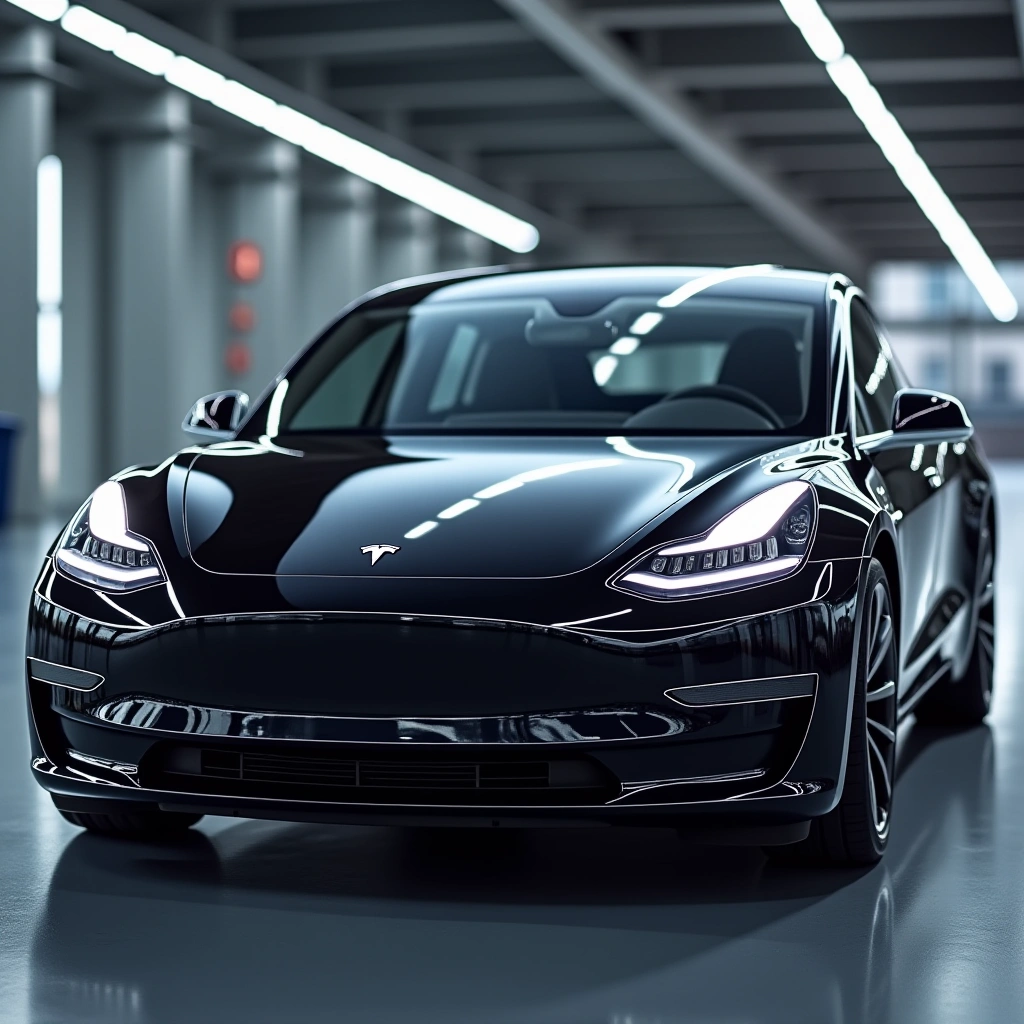
Have you ever tried to convince a friend that a cat can do your taxes? Yeah, that’s how Tesla’s AI trainers feel about the company’s self-driving tech and its safety stats. It’s a little like trusting a toddler with a paintbrush in a museum; the enthusiasm is there, but the results might leave you weeping.
Related reading: Original source
So, what’s the deal? Why are the very people who train Tesla’s AI systems raising their eyebrows at the safety claims? Well, let’s dive into this wild ride (pun intended) of autonomous vehicles. Buckle up; it might get bumpy.
The Promised Land of Self-Driving
First off, we need to acknowledge that the dream of self-driving cars is as old as the internet memes about cats. Everyone wants to believe we’ll soon be lounging in our cars while they drive us to work, but here’s the kicker: the reality is far more complicated. Tesla’s AI trainers, the unsung heroes behind the curtain, are well aware of the challenges that come with this ambitious technology.
Data vs. Reality
Now, let’s talk safety stats. Tesla loves to flaunt its numbers like that one friend who always posts their workout stats on social media. Sure, they look impressive, but are they telling the whole story? Tesla touts its cars as having fewer accidents than the average vehicle, but many trainers argue that these figures don’t paint a complete picture. It’s like saying you’re the best chef because your toast is always golden brown while conveniently ignoring that you burned the steak.
Many trainers point out that the data may be skewed. They argue that the sample size is limited because most Tesla drivers are, let’s face it, a little more tech-savvy and cautious than the average Joe. So, while the stats might look good on paper, they might not translate to the real world where, you know, actual humans drive actual cars.
A Little Too Much Confidence?
And then there’s the issue of confidence in the tech itself. Tesla’s self-driving software has seen some hiccups, to say the least. It’s like a teenager trying to parallel park for the first time—lots of enthusiasm but not quite there yet. The trainers have voiced concerns about the system’s ability to handle complex driving scenarios, like navigating through a roundabout without treating it like a game of bumper cars.
Trust Issues
So, what’s the takeaway? Well, it seems like there’s a bit of a trust gap. The very people who are tasked with training Tesla’s AI have a healthy skepticism about its readiness for the open road. And honestly, can you blame them? It’s like trusting a dog to babysit a toddler; it sounds adorable until something goes sideways.
As Tesla continues to push the envelope, it’s essential to remember that innovation is a double-edged sword. We all want the shiny future of self-driving cars, but it’s crucial to ensure that they’re safe enough to not turn our morning commutes into a game of “Will I make it to work alive?”
Conclusion
So, next time you hear someone rave about Tesla’s self-driving capabilities, just remember: the AI trainers might not be raising their hands in excitement. They’re likely the ones shouting, “Not so fast, my friend!” as they sift through the data, wondering if their cat could do a better job at driving. In the end, we can all agree that while Tesla is paving the way for the future, perhaps we should pump the brakes a little on the hype train. Safety first, folks, safety first!
Inspired by: “Why Tesla’s AI trainers don’t trust its self-driving tech – or its safety stats” (r/technology)