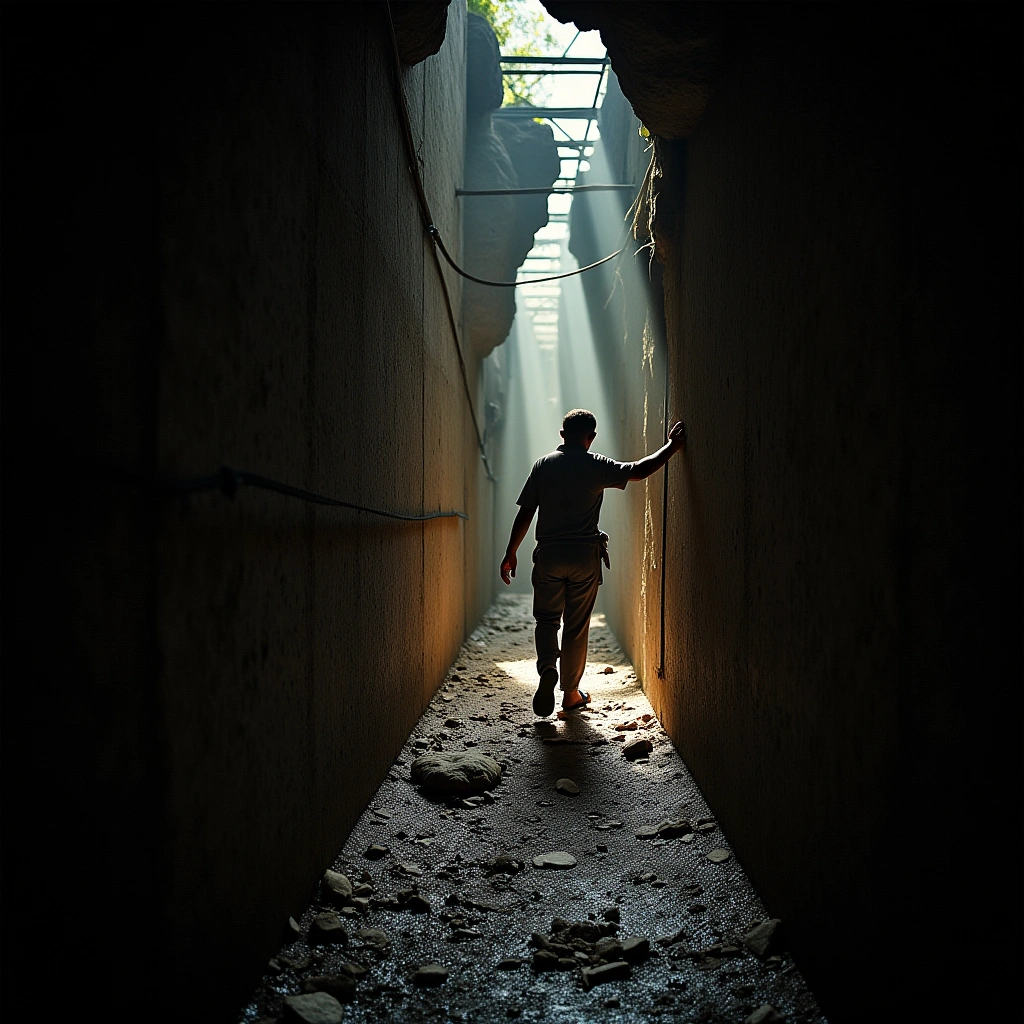
Hey there, fellow internet wanderer! Today, we’re diving into the enigmatic and often misunderstood underground economy of the Philippines. Buckle up, because we’re about to take a ride through the back alleys of commerce where the rules are as flexible as a yoga instructor on a good day!
Related reading: Underground Economy
Now, let’s clarify what we mean by ‘underground economy.’ We’re not talking about secret societies or underground lairs where supervillains plot world domination—though that would make a great movie! We’re referring to the vast network of unregulated economic activities that happen outside the formal economy. Think of it as the shadowy cousin of the regular economy. You know, the one that shows up to family reunions and makes everyone a little uncomfortable.
In the Philippines, the underground economy is as vibrant as a fiesta in full swing. It includes everything from street vendors selling delicious street food (hello, isaw and balut!) to informal laborers working in construction or domestic help. These folks are the backbone of the economy, often providing essential services that keep the wheels turning, even if they’re not on the official books. They’re like the unsung heroes of the country—without capes, but with plenty of creativity!
But why does this underground economy flourish? Well, my friend, it’s all about survival. In a country where job opportunities can be as scarce as finding a needle in a haystack, many Filipinos turn to the informal sector to make ends meet. It’s not just a choice; it’s a necessity. And let’s be honest, some of these underground ventures are downright ingenious! Who knew that turning an old jeepney into a mobile karaoke bar could be a lucrative business?
Of course, the underground economy isn’t all sunshine and rainbows. It has its fair share of challenges, too. Without regulations, workers often face exploitative conditions, lack of benefits, and a constant fear of being shut down by authorities. It’s a bit like playing Jenga, but instead of wooden blocks, you’re balancing your livelihood on a shaky foundation of legality. One wrong move, and it all comes crashing down!
Despite the challenges, the underground economy can also be seen as a breeding ground for innovation. In a world where traditional jobs are becoming as outdated as flip phones, many entrepreneurs are finding creative ways to thrive. From online selling to service-based gigs, the ingenuity of the Filipino people shines through. They’re like MacGyver but with a smartphone and a knack for business!
In conclusion, the underground economy of the Philippines is a complex tapestry woven with resilience, creativity, and a dash of chaos. It’s a world where people hustle hard, adapt quickly, and find ways to thrive outside the confines of traditional economic structures. So the next time you bite into that delicious street food or use a service from an informal worker, take a moment to appreciate the vibrant underbelly of the economy that makes it all possible. Who knew the shadows could be so bright?
And there you have it, my friend! A peek into the fascinating, sometimes controversial world of the Philippines’ underground economy. Now go forth and share this knowledge with the world—because who doesn’t love a little controversy over their morning coffee?
Inspired by: “Philippines underground economy!” (r/interestingasfuck)