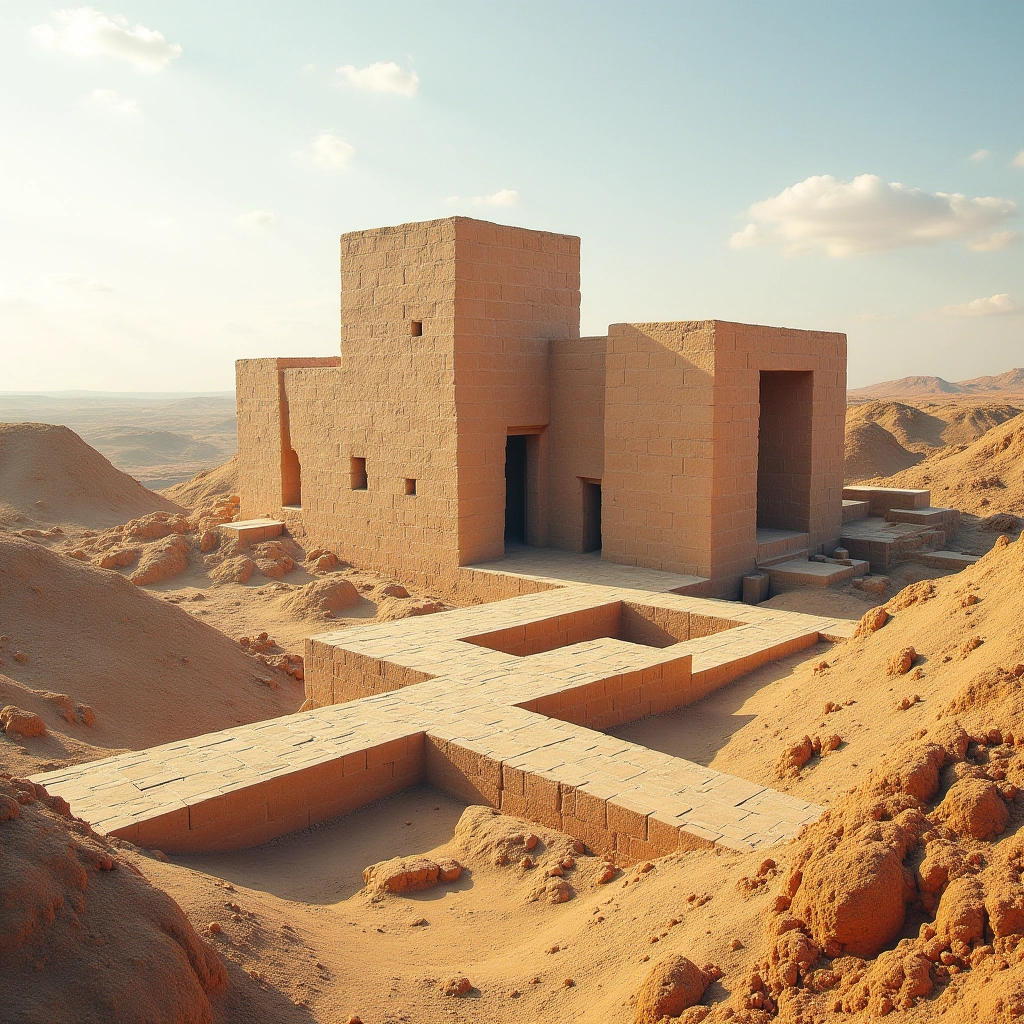
Ah, Göbekli Tepe! A name that rolls off the tongue like a fine wine but is actually an archaeological wonder that makes historians scratch their heads in utter confusion. Picture this: a temple complex in Upper Mesopotamia that is over 11,500 years old! That’s older than your great-great-great-grandma’s recipe for mystery stew, and it predates agriculture. Yes, you heard it right. Before we were busy farming wheat and raising goats, our ancient ancestors were busy building massive stone structures. Talk about priorities!
Related reading: G bekli Tepe
So why is Göbekli Tepe such a big deal? Well, sit back and grab a snack (preferably something ancient-looking like a dried fig) because this is going to be a wild ride.
First off, let’s talk about the architecture. Göbekli Tepe consists of massive stone pillars, some weighing up to 20 tons, arranged in circular formations. These aren’t your average backyard stones; we’re talking about monumental structures that would make the Colosseum look like a kiddie fort. The intricacy of the carvings—depicting animals like lions, snakes, and even the occasional wild boar—hints at a complex belief system. It’s almost like our ancestors were saying, “Hey, look at our awesome temple! Also, check out these amazing animal designs. Please don’t eat us!”
Now, let’s dive into the big question: if these folks were busy building temples, where was the agriculture? This is the part that really gets historians riled up. Traditionally, we believed that agriculture came first, leading to permanent settlements, which then led to the construction of temples. But Göbekli Tepe flips that idea on its head like a bad pancake! Instead of farming first, it seems that spirituality led to community gatherings, which then led to the need for food. It’s like saying, “Let’s throw a big party, and don’t worry about dinner; we’ll figure it out later!”
This has led to some controversial theories. Some experts suggest that the construction of Göbekli Tepe may have actually been a catalyst for the development of agriculture. Imagine the scene: a bunch of hunter-gatherers, tired of chasing after their food, see a massive stone circle and think, “You know what? If we settle down and start farming, we can party here every weekend without worrying about where our next meal is coming from.” Genius? Perhaps. A little chaotic? Definitely.
In recent years, as more excavations take place, the site has revealed even more layers of mystery. It’s almost like peeling an onion of ancient civilization, with each layer bringing tears of joy and confusion. What will we discover next? Maybe a stone tablet that says, “Please don’t disturb the ancient party!”
So, what does this all mean for us today? Well, it’s a reminder that history is not as linear as we once thought. It’s more like a tangled ball of yarn, where one thing leads to another in unpredictable ways. Göbekli Tepe challenges our understanding, leaving us to ponder the complexities of human society long before we ever got cozy with our plows and fields.
In conclusion, Göbekli Tepe isn’t just an archaeological site; it’s a testament to the ingenuity and creativity of early humans. It shows us that even before we had agriculture, we were capable of complex societal structures and monumental achievements. So, next time you sit down for a meal, remember those ancient builders who had their priorities straight—temple first, dinner second!
Inspired by: “Gobekli Tepe, a 11500-year-old temple in Upper Mesopotamia that predates the development of agricul…” (r/interestingasfuck)