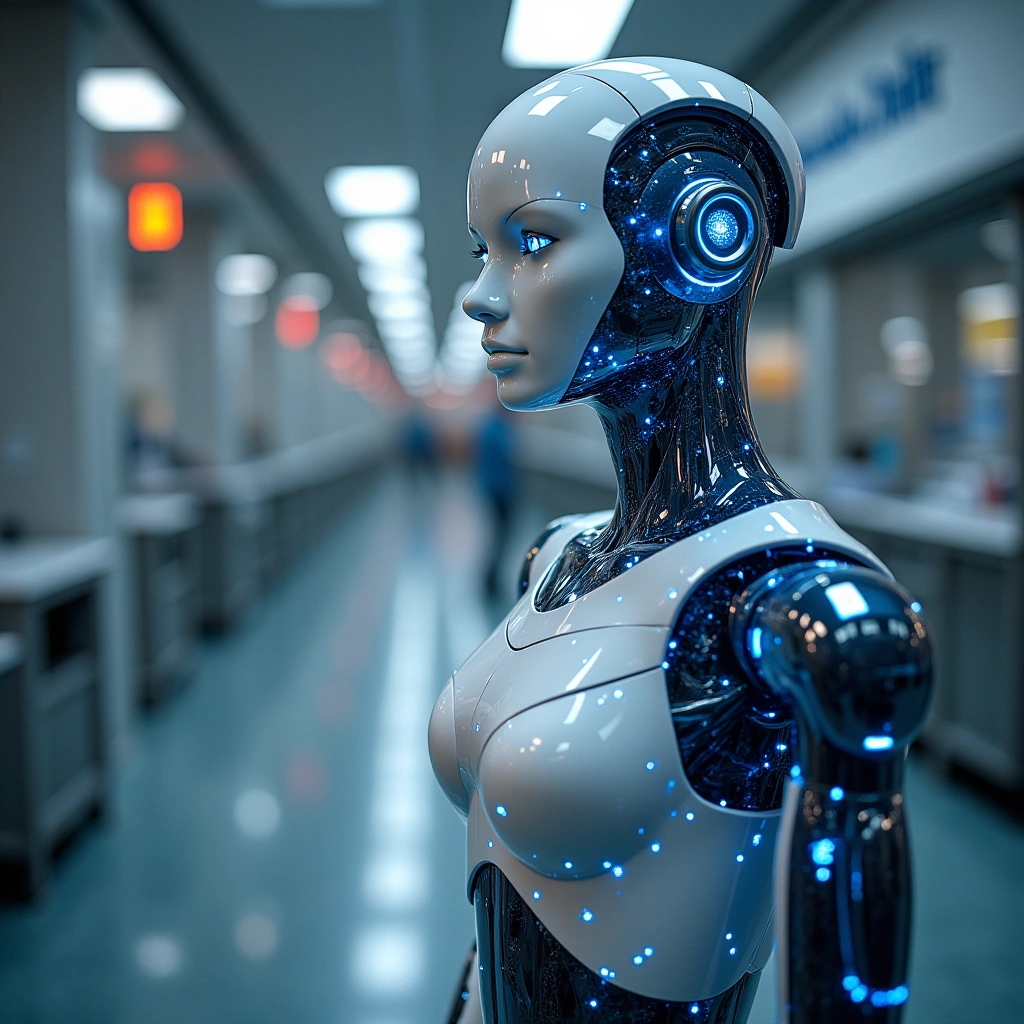
Hey there, fellow digital denizens! Buckle up because we’re diving into a hot topic that’s shaking up the tech world: a new bill in Korea that aims to impose a strict watermark mandate on AI-generated content. Yes, you heard that right! The digital playground is about to get a little more regulated, and we’re here to break it down.
First off, let’s talk about what this bill is really saying. In a nutshell, it’s proposing that all content generated by AI should be clearly marked. Think of it like putting a neon sign on your grandma’s famous pie recipe that says, ‘This was made with love… and a little help from GPT-3.’ It’s a way to ensure transparency and help folks distinguish between what was created by humans and what was cooked up in the silicon kitchens of artificial intelligence.
Now, you might be wondering: why is this such a big deal? Well, AI-generated content is popping up everywhere—social media, news articles, and even your favorite TikTok dance challenge. But with great power comes great responsibility, right? The potential for misinformation and the blurring of lines between reality and simulation is more relevant now than ever. Picture this: you’re scrolling through your feed, and suddenly you can’t tell if that heartwarming story about a cat saving a dog was written by a human or an algorithm. Spoiler alert: it was probably the algorithm, and it definitely didn’t have any emotional attachment to the outcome.
But before you grab your pitchforks and storm the digital castle, let’s weigh the pros and cons. On one hand, watermarks could help curb the spread of fake news and ensure that audiences are aware of the origins of the content they consume. After all, we don’t want people believing that a robot can actually feel emotions, right? On the other hand, some argue that this might stifle creativity and innovation. Imagine if every time you wanted to make a meme about your cat, you had to slap a watermark on it declaring, ‘Created by Human + AI.’ Talk about ruining the vibe!
And let’s not forget the elephant in the room: enforcement. How exactly will this be monitored? Are we going to have AI cops patrolling the internet, ready to bust anyone who dares to post unmarked AI content? Sounds a bit like a dystopian comedy, doesn’t it? Just picture it: an AI officer with a badge that reads ‘Content Police’ trying to explain to the average TikToker why they need to watermark their dance videos.
In conclusion, while the intention behind this bill might be noble, the execution could get messy. Watermarks on AI-generated content may help protect audiences from misinformation, but they could also be seen as an unnecessary hurdle in the creative process. It’s a classic case of balancing the scales between regulation and freedom. So what do you think? Should we embrace the watermark revolution, or is it just another way for the tech overlords to keep us in check? Let us know in the comments! Until next time, stay curious, stay creative, and for goodness’ sake, don’t forget to watermark your cat memes!