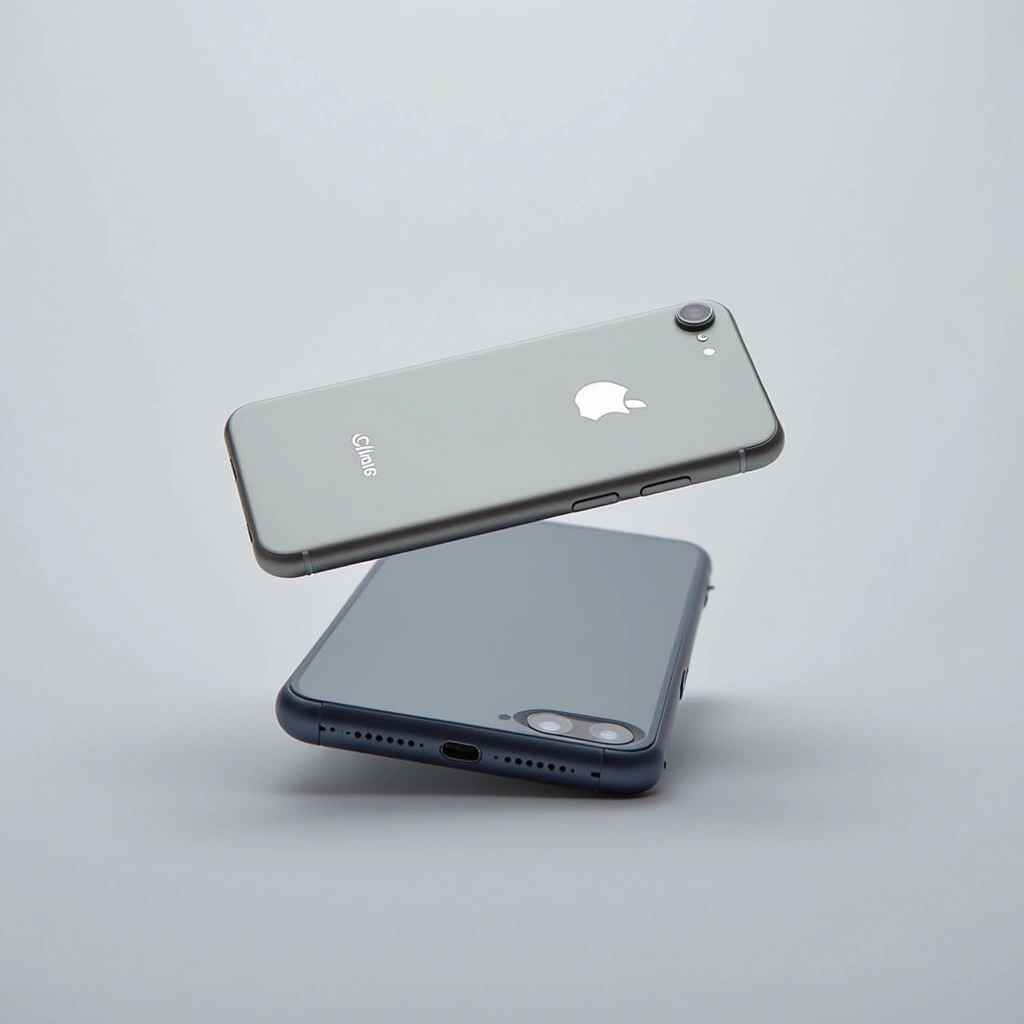
Let’s take a moment to appreciate the magic of Apple. While the broader smartphone market was doing its best impression of a lead balloon in Q1 2026, Apple somehow managed to grow its U.S. iPhone sales. How did they pull this off? Did they sprinkle some unicorn dust on their iPhones? Perhaps they hired a team of wizard marketers? Or maybe they just have a secret stash of really appealing, shiny gadgets that are impossible to resist. Let’s dive into this phenomenon, shall we?
First off, let’s address the elephant in the room: the smartphone market is not what it used to be. It’s like that friend who used to be the life of the party but now just sits in the corner, sipping on a lukewarm soda, reminiscing about the good old days. Sales are down, enthusiasm is low, and consumers are starting to wonder if they really need to upgrade their devices every year. Spoiler alert: they probably don’t.
But here comes Apple, strutting in like it owns the place, waving its latest iPhone model like a trophy. While other brands are throwing their hands up in despair, Apple is busy flaunting its innovative features, a seamless user experience, and let’s not forget, that oh-so-tempting ecosystem lock-in. You know, the one where your iPhone, MacBook, iPad, and Apple Watch all communicate better than you do with your in-laws?
So, what gives? Why are consumers still flocking to the iPhone like it’s the last slice of pizza at a party? For starters, Apple has mastered the art of marketing. They don’t just sell phones; they sell a lifestyle. Owning an iPhone is like wearing a badge of honor. It says, “I’m here, I’m fancy, and I make excellent financial decisions—except for that time I bought a $17 smoothie.”
Then there’s the tech itself. Apple’s focus on user privacy and security has become a huge selling point. While other companies are busy collecting your data like it’s Pokémon, Apple is out there saying, “Nah, we’ll keep your secrets safe.” It’s like having a personal bodyguard for your texts and photos. Who doesn’t want that?
Furthermore, the iPhone’s camera capabilities continue to impress. With every new model, Apple seems to be saying, “Hold my beer; we’ll make your selfies look so good that even your ex will want to swipe right.” The advancements in photography are enough to make even the most seasoned photographers question their life choices.
Let’s not ignore the role of brand loyalty. Apple users are like a cult, and they are not afraid to admit it. They’ve bought into the ecosystem, and they’re not looking back. The allure of new features, software updates, and exclusive content keeps them coming back for more, even when their wallets are crying out for mercy.
In conclusion, while the broader smartphone market might be experiencing a midlife crisis, Apple is living its best life. They’ve cracked the code on what consumers want, and they’re dishing it out like candy on Halloween. As we step further into 2026, it’ll be interesting to see if Apple can keep the momentum going or if they’ll eventually face the same fate as their competitors. Until then, let’s just enjoy the ride. After all, who doesn’t love a good underdog story—unless that underdog is carrying an Android.