Hey there, fellow internet adventurers! So, it seems we’ve found ourselves in yet another classic case of sensationalist headlines doing the dance of doom. Recently, Polymarket decided to take a dip into the murky waters of health news and surfaced with some rather alarming claims regarding a hantavirus case in the U.S. Spoiler alert: it’s not as scary as it sounds, but let’s unpack this wild ride together.
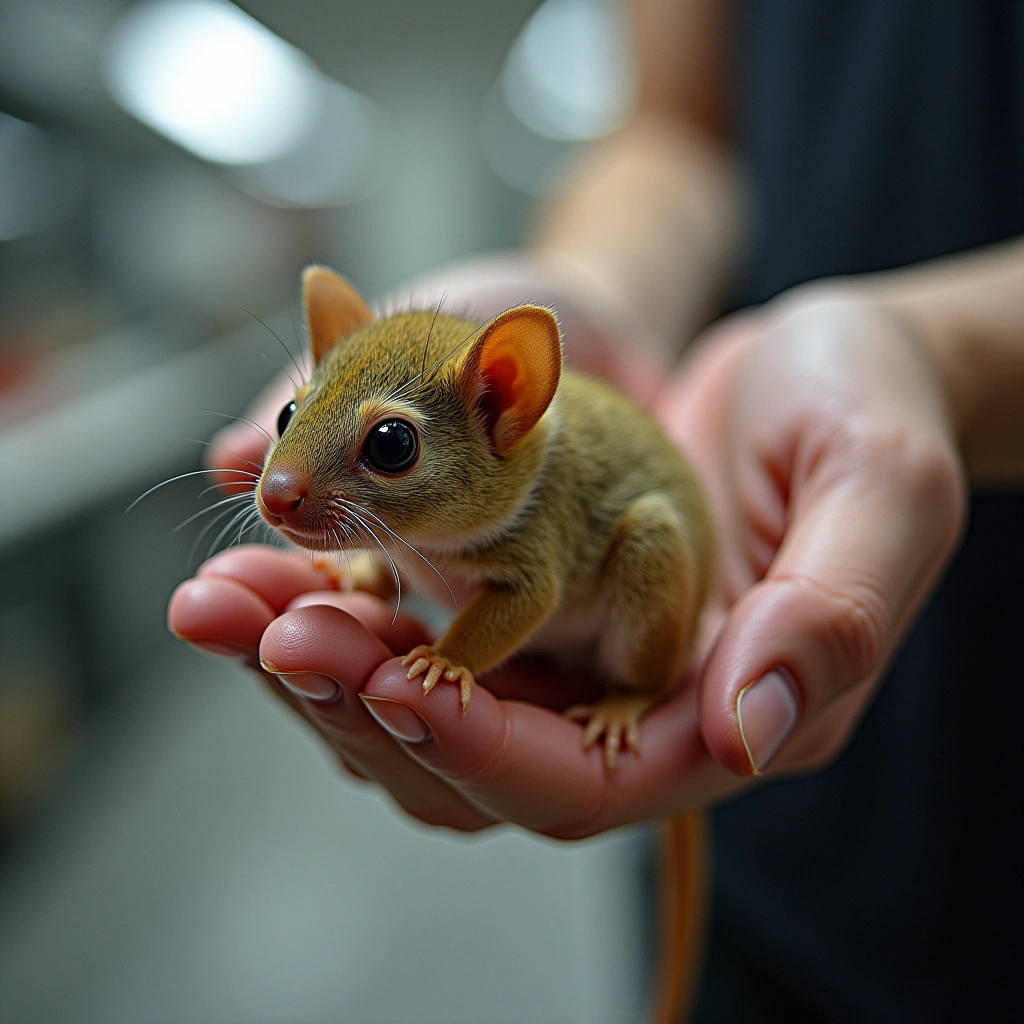
First things first, what is this hantavirus? Well, if you thought it was the latest superhero in the Marvel universe, you’re in for a surprise. Hantavirus is a virus carried by rodents, and yes, it can cause some serious illnesses in humans. But before you go cancelling your camping plans or developing an irrational fear of your pet hamster, let’s get real. The hantavirus isn’t exactly the poster child for your average viral outbreak.
Now, Polymarket—a platform that allows people to bet on the outcomes of various events—took the news of a hantavirus case and spread it like butter on toast. Their sensationalist approach gave rise to a wave of panic that could rival a horror movie. But let’s clarify something: just because someone might have contracted a virus doesn’t mean we should all don our hazmat suits and live in a bubble.
What really gets my goat (and I have a pretty nice goat collection, thank you very much) is the fact that we’ve seen this movie before. Media outlets have a knack for taking a single case and blowing it up like a balloon at a kid’s birthday party. Sure, it’s fun to watch until it pops and sends everyone into a frenzy. The reality is that hantavirus cases are rare, and the chances of it becoming the next pandemic are about as likely as finding a needle in a haystack—while blindfolded.
Now, I’m not saying we should ignore health risks altogether. Hygiene is key, folks! Wash your hands, don’t eat that questionable sandwich you found on the ground, and if you see a rodent, maybe let it live its life while you live yours. But sensationalizing these cases only serves to create fear, which is the last thing we need in a world already filled with enough anxiety.
As we scroll through our feeds, we must remember to consume information with a grain of salt—or maybe a whole salt shaker. It’s crucial to differentiate between genuine health warnings and clickbait designed to make you gasp audibly in public places. So, the next time you come across a headline that makes you question your existence, take a deep breath, read further, and maybe even share a laugh with your friends about how ridiculous it all is.
In conclusion, while the hantavirus is indeed a real health concern, the way it was presented by Polymarket was more sensational than a Michael Bay explosion. Let’s keep our cool, stay informed, and maybe save the panic for when the next superhero movie comes out. Because if we’re going to be dramatic, let’s at least do it for something entertaining!