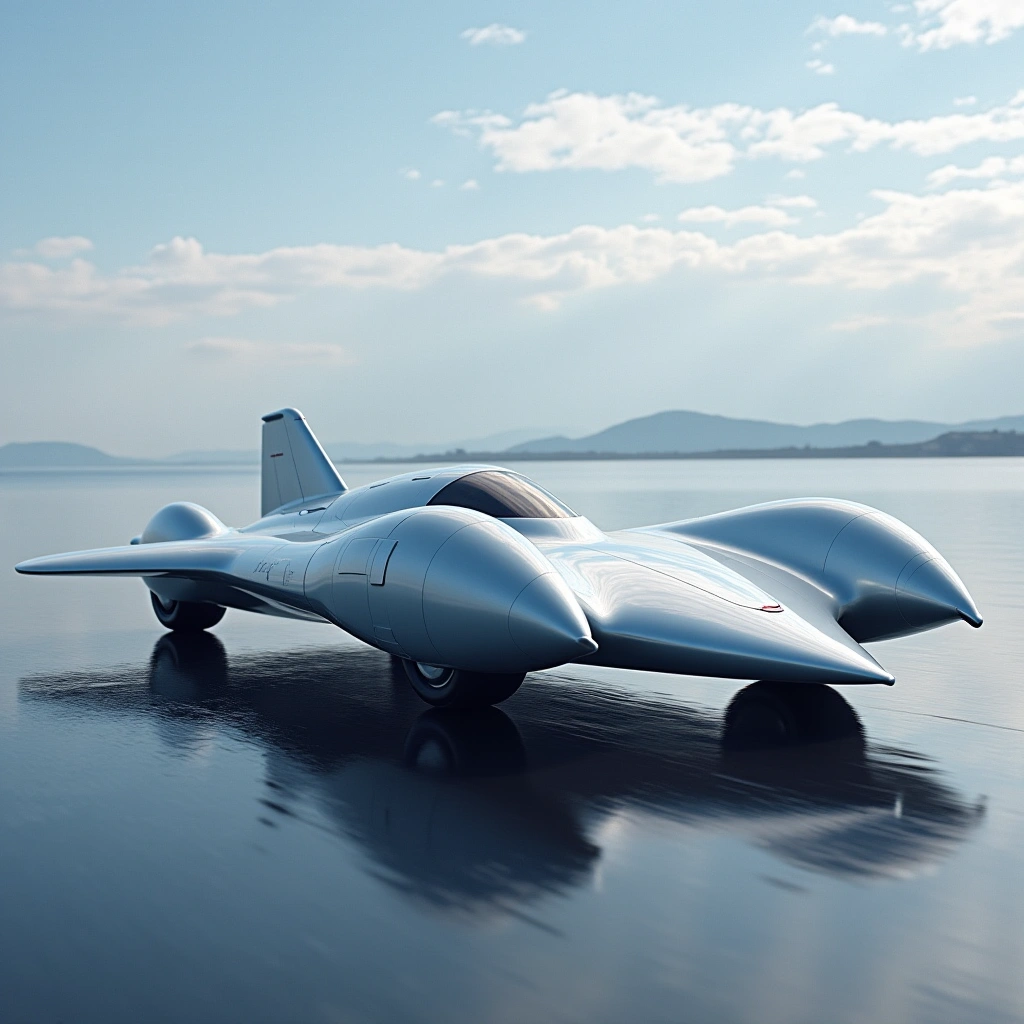
Hey there, fellow travel enthusiasts and speed demons! Buckle up, because Japan has just hit the jet-setting jackpot with its first successful engine test for a Mach 5 aircraft. Yes, you heard that right—five times the speed of sound! That’s not just fast; that’s ‘I forgot to pack a snack for a two-hour flight to the US’ fast.
Now, before you start dreaming about sipping your overpriced in-flight coffee at warp speed, let’s break down what this all means. The Japanese team has been working tirelessly, probably fueled by ramen and sheer determination, to create an aircraft that can make that long-haul flight to the US feel more like a quick trip to the grocery store. Imagine leaving Tokyo and landing in Los Angeles before you’ve even had a chance to finish your in-flight movie. Talk about a time-saver!
But let’s not get ahead of ourselves. While the idea of zipping through the skies at Mach 5 sounds like something out of a sci-fi movie, there are a few hurdles to hop over first. Think of it like trying to convince your cat to take a bath. It’s going to take time, effort, and a lot of convincing (and maybe some catnip).
First off, the technology behind this engine isn’t exactly plug-and-play. We’re talking about cutting-edge materials and engineering that could make NASA’s heads spin. They’re probably shaking their heads in disbelief right now, thinking, ‘We should’ve thought of that!’ But hey, competition is good for innovation, right? You snooze, you lose!
And what about safety? Sure, it would be amazing to travel at Mach 5, but let’s be real: if something goes wrong at that speed, you’re not just going to have a bad day—you might have a bad lifetime. So, the engineers will need to work on making sure that passengers can safely board and disembark without feeling like they’ve just survived a rollercoaster ride.
Now, let’s talk about the elephant in the room: the environmental impact. With great speed comes great responsibility. The aviation industry is already under scrutiny for its carbon footprint, and we can only hope that this new technology won’t make it worse. If we can figure out how to make it green—like, not ‘I’m still waiting for my salad to arrive’ green, but actually environmentally friendly—then we might just have a winner.
So, is the Mach 5 aircraft the future of travel, or just a really fast airplane? That remains to be seen. There’s still a long way to go before you can book a ticket for that speedy getaway. But one thing’s for sure: if Japan succeeds, it will change the way we think about travel forever. Forget about being cramped in a middle seat for hours; we’ll be zooming across the globe faster than you can say ‘jet lag.’
In conclusion, let’s keep our fingers crossed for our Japanese friends as they embark on this ambitious journey. Who wouldn’t want to experience the thrill of being a human missile while munching on airplane peanuts? The future of travel is looking bright, and who knows—maybe one day we’ll be setting our travel itineraries with the same ease as ordering takeout.