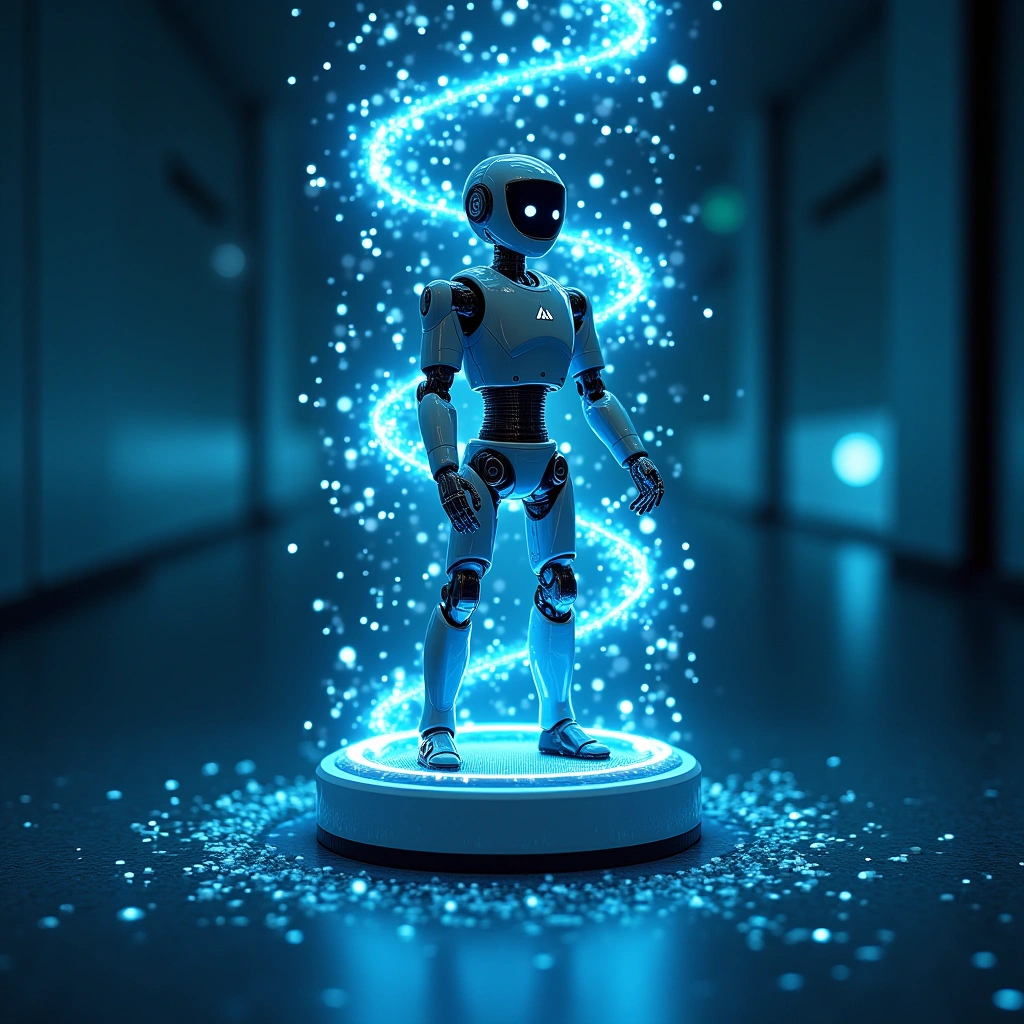
Ah, the wonders of technology! Just when you thought we had reached peak absurdity with cat memes and TikTok dances, enter AI chatbots – the spiral-shaped trap that promises wisdom but often delivers chaos. It’s like asking your toaster for relationship advice. Spoiler: it’s not going to be very helpful.
Let’s face it, chatbots are like that overly enthusiastic friend who knows just enough to make you question your life choices. They can generate text that seems profound, but behind that shiny veneer lies a machine that doesn’t actually understand anything. It’s like watching a toddler recite Shakespeare – adorable, but ultimately meaningless.
Imagine you’re feeling down and decide to consult your trusty AI chatbot for some emotional support. You type, “I feel lost,” and what do you get back? A motivational quote from a famous person, followed by a suggestion to start a gratitude journal. Thanks, but I already have enough journals collecting dust to start a small library. What I really need is a hug and a pizza.
As we spiral deeper into this chatbot rabbit hole, we begin to rely on these digital companions for everything – from advice on love to existential crises. It’s like asking a goldfish how to swim! Sure, it might provide some amusing responses, but can you really trust a creature with a three-second memory?
But here’s where it gets interesting, or perhaps concerning: as we engage more with these chatbots, we might start to believe that they understand us. This is where the descent into delusion begins. If a chatbot can churn out a perfectly crafted response, surely it’s just like talking to a friend, right? Wrong! Chatbots lack empathy, emotional intelligence, and, let’s be honest, the ability to listen. They don’t care about your feelings; they care about data and algorithms. It’s more like speed-dating with a robot – you might get a few laughs, but don’t expect a lasting connection.
As we rely on these algorithms for everything from customer service to emotional support, we risk losing our ability to engage in genuine human interaction. It’s like handing your phone to a toddler and expecting them to solve world hunger. Sure, they might mash the buttons, but the outcome will likely be far from helpful.
So, what’s the takeaway here? While AI chatbots can be entertaining and occasionally useful, let’s not forget that they are tools, not replacements for real human connection. Don’t let the spiral-shaped trap of AI delusion pull you in. Remember, when in doubt, it’s always better to talk to a friend (preferably one who isn’t a toaster).
In conclusion, as we navigate this brave new world of AI and chatbots, let’s keep our wits about us. Embrace the technology, but don’t let it lead you down a spiral of delusion. After all, the only spiral we should be concerned about is the one that leads to a well-deserved pizza party!