Hey there, gearheads and aspiring mechanics! Today, we’re diving into the wonderful world of differential gears. Now, before you roll your eyes and think this is going to be as riveting as watching paint dry, let me assure you—differential gears are more fascinating than you might think! So buckle up, because we’re about to take a wild ride through the mechanics of how these little wonders work.
First off, let’s break it down—what the heck is a differential gear? Picture this: you’re driving around a corner, and your car is like, “Hey, I need to take this turn smoothly!” But guess what? The wheels on the outside of the turn have to cover more ground than the ones on the inside. This is where the differential gear struts in, cape flapping in the wind, to save the day!
The differential gear allows the wheels to rotate at different speeds, which is essential for smooth cornering. Without it, your car would be skidding around like a clumsy toddler on a slick floor—nobody wants that kind of chaos on their morning commute!
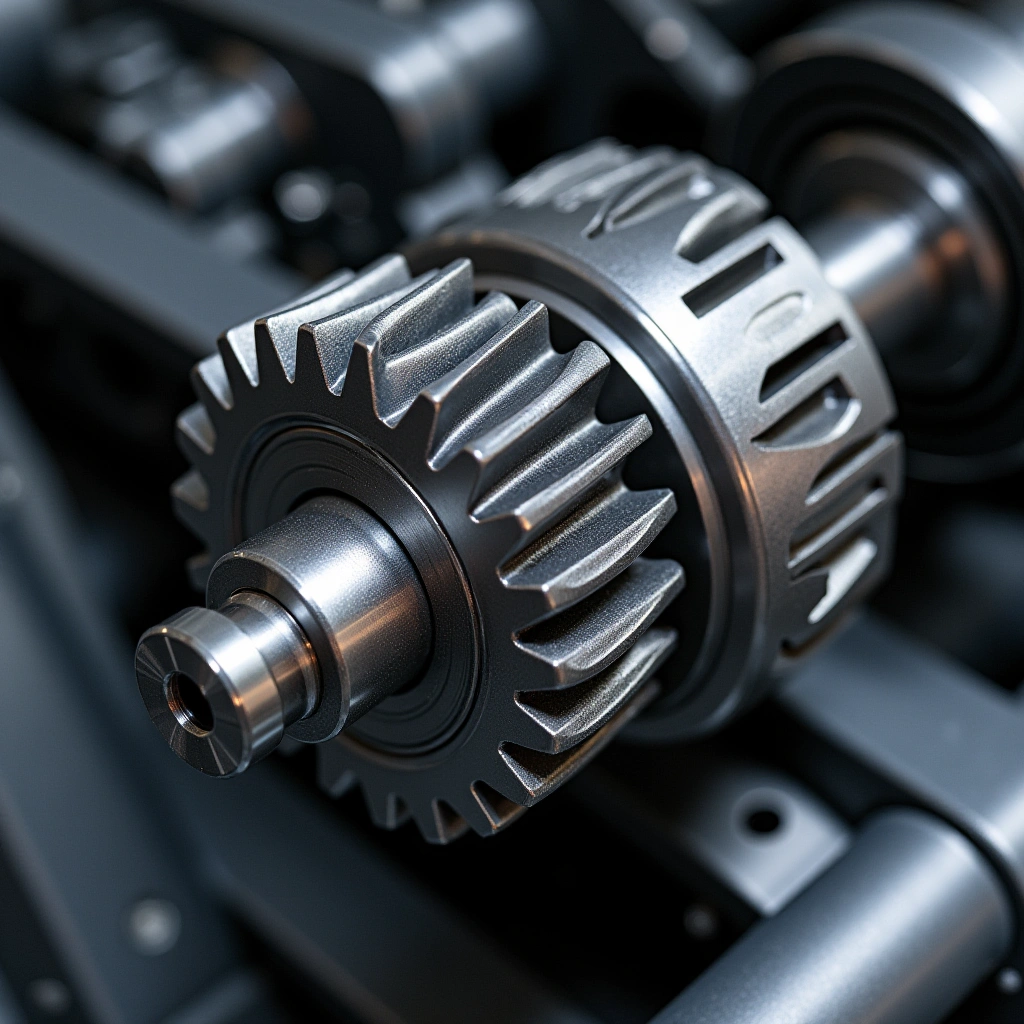
Now, let’s get into the nitty-gritty. The differential consists of a set of gears that work together in beautiful harmony. At the heart of it is the ring gear and pinion gear. Think of the ring gear as the big boss and the pinion gear as its trusty sidekick. The pinion gear is connected to the driveshaft, which transfers power from the engine, while the ring gear is attached to the differential casing that holds the gears in place. Together, they create a beautiful dance of rotation!
But wait, there’s more! Inside that differential casing are two smaller gears known as side gears and spider gears. These little guys are the ones that do the heavy lifting—literally! They allow the wheels to spin at different speeds while still transferring power effectively. So, the next time you take a corner like a pro, remember to give a little nod to those unsung heroes inside your differential.
Now, let’s talk about the types of differentials because, believe it or not, there’s more than one flavor! You’ve got your open differential, which is the most common and allows for the smoothest ride. But if you’re feeling adventurous and need some serious traction (think off-roading in the mud), you might want to look into a limited-slip differential. It’s like having a personal trainer for your car—pushing it to perform better when the going gets tough!
And let’s not forget about the locking differential, which is the ultimate party trick for those who like to get down and dirty in the mud or snow. It locks both wheels together for maximum grip. Sure, it’s not great for everyday driving, but if you ever find yourself in a sticky situation (literally), it’ll come to your rescue faster than your best friend armed with a pizza after a long week.
So, there you have it! The fascinating world of differential gears explained without the use of a complicated textbook or a degree in engineering. Next time you’re cruising down the highway or expertly navigating a tight corner, take a moment to appreciate the brilliance of that little differential gear working behind the scenes. It’s not just a piece of metal; it’s the reason you’re not spinning out of control like a frantic squirrel trying to cross the road.
Remember, every time you turn the wheel in your car, you’re thanking that differential gear for making sure you don’t end up in the ditch. So, give it a little mental high-five next time you’re out for a drive!