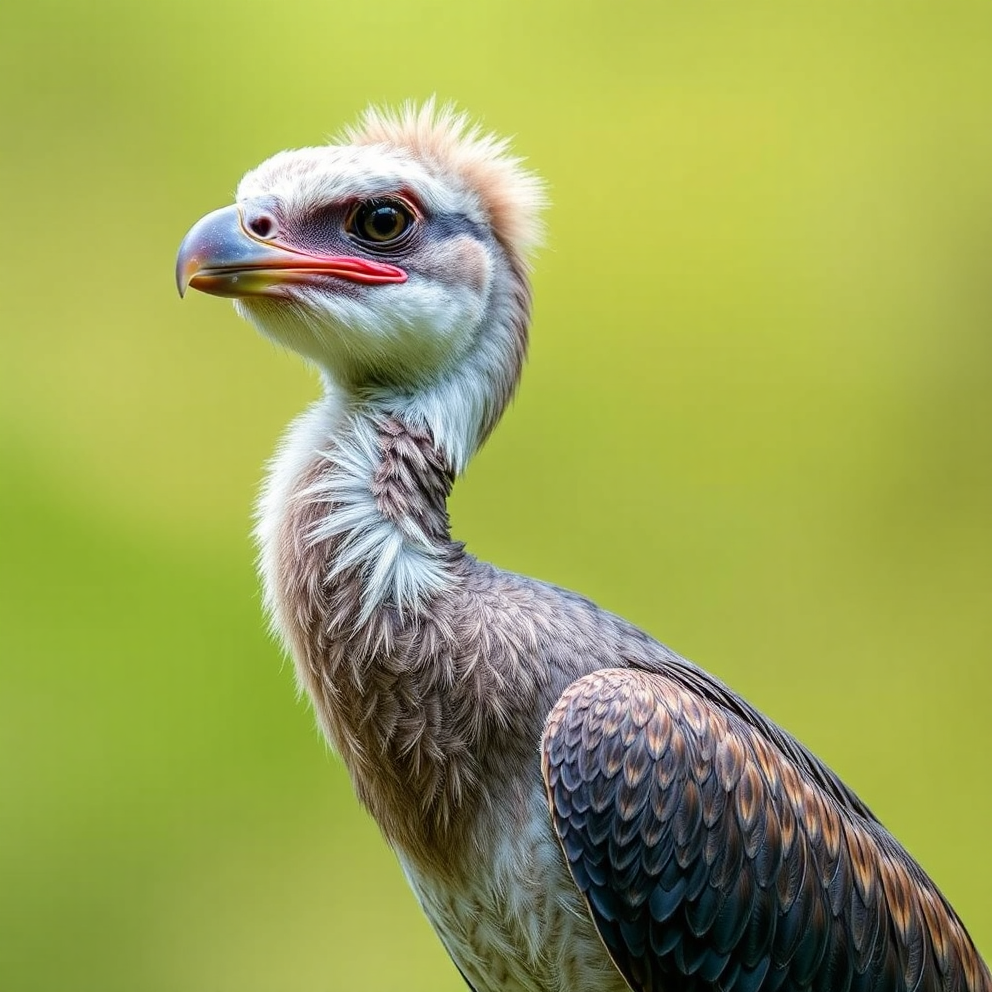
Hey there, fellow dinosaur enthusiasts and birdwatchers! Let’s dive deep into the fascinating world of our feathered friends and why they are the only surviving dinosaurs. Yes, you heard that right! Birds are the last remnants of the mighty dinosaurs that roamed the Earth millions of years ago. Grab your binoculars and let’s take flight!
First off, let’s get one thing straight: when we talk about dinosaurs, we’re not just reminiscing about those massive, scaly creatures like T-Rex or Triceratops. No, no! We’re actually also talking about birds. That’s right! You can blame the ancient world for your fear of birds—after all, they’re basically tiny, flying dinosaurs in disguise, and they’re probably judging you from that tree branch.
So, how did we get from the gigantic beasts of the Mesozoic Era to our backyard sparrows? Well, let’s rewind the clock to about 66 million years ago when an asteroid decided to crash the dinosaur party, leading to the Cretaceous-Paleogene extinction event. Think of it as the ultimate cosmic party foul. Most dinosaurs went extinct, leaving a select few to adapt and survive. And guess what? Those plucky little theropods (the ones that evolved into modern birds) were able to weather the storm.
Now, you might be wondering, “Why birds?” It turns out, birds had some pretty nifty adaptations that helped them outlast their larger, scaly cousins. For instance, feathers! Not just for looking fabulous (although they do rock that look), feathers helped with insulation and even flight. Who knew that being stylish could be a survival tactic? Plus, their lightweight bones and efficient respiratory systems were game-changers, allowing them to zip around and avoid becoming a dino-dinner.
And let’s not forget the incredible variety of birds we have today. From the majestic eagle to the humble pigeon that steals your lunch—birds are everywhere! Some people even claim they’ve seen a dodo bird or two lurking around the corner. But don’t worry, that’s just your imagination playing tricks on you. The dodo, like many other species, didn’t make it. Talk about a terrible case of survival of the fittest!
Now, if you really want to get into the nitty-gritty of it all, you have to appreciate how birds evolved behaviors that helped them thrive. They developed social structures, complex vocalizations (shoutout to the parrots who can talk back), and even migratory patterns that make them the ultimate globe-trotters. And here we are, stuck in traffic while they fly over us like it’s no big deal!
But here’s where it gets a bit controversial: some people argue that the concept of a “dinosaur” should include birds while others insist on keeping them separate. I mean, if it walks like a dinosaur and squawks like a dinosaur, shouldn’t it be considered a dinosaur? This is the kind of debate that could make a paleontologist’s head spin faster than a velociraptor on roller skates!
In conclusion, birds are not just the descendants of dinosaurs; they are the last living connection to a time when massive creatures ruled the Earth. So, the next time you see a bird, give it a nod of respect. After all, it might just be a feathery remnant of a T-Rex ancestor, ready to take on the world—one worm at a time. And who knows? Maybe they’re planning a return to the throne as the “superior” species. Watch out, humans!